
 Save
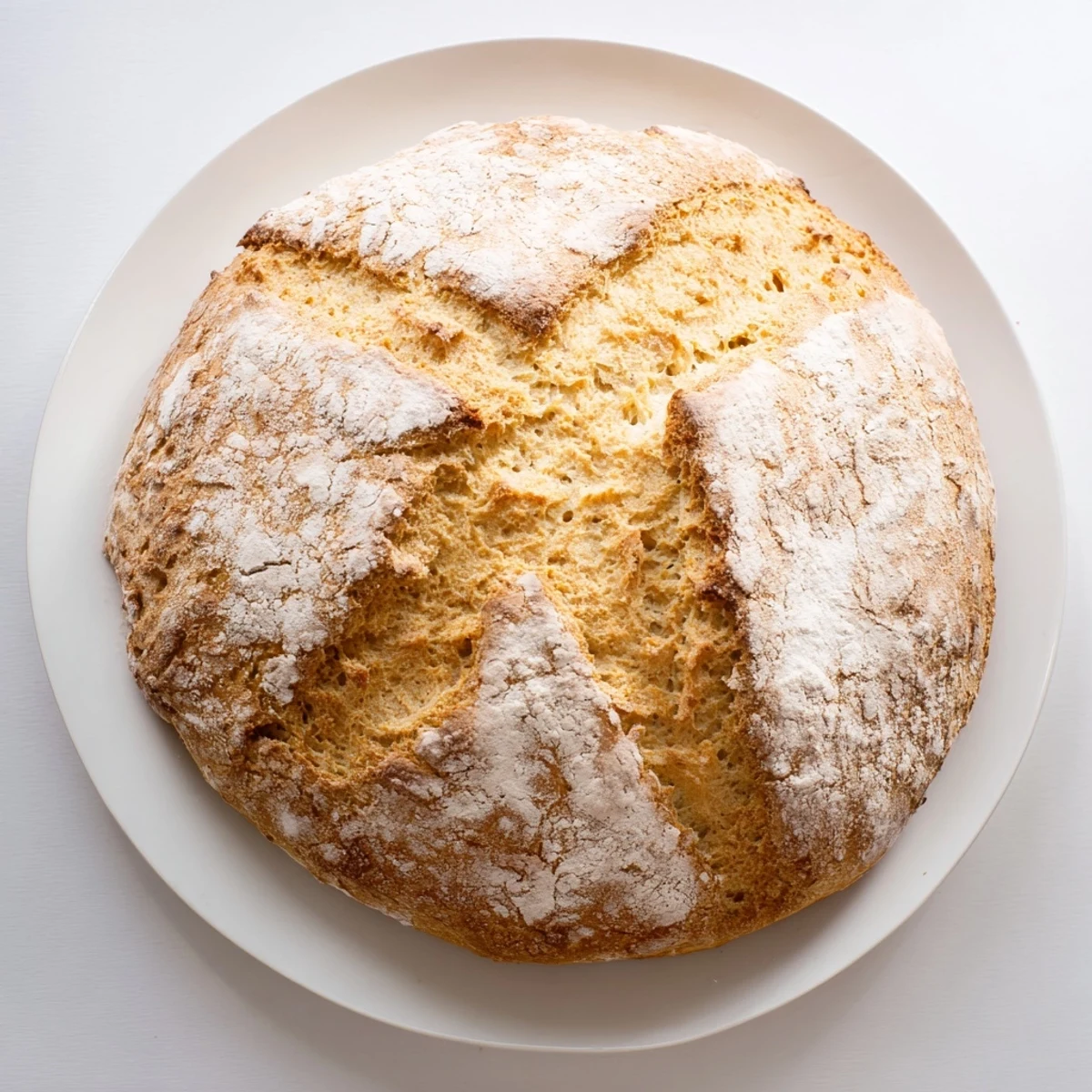
Save This Irish soda bread combines just four ingredients to create a hearty loaf with a golden crust and tender crumb. The quick preparation and easy mixing method make it ideal for a simple breakfast or a comforting side with stews. The dough is gently kneaded and cut before baking to achieve a classic crust and light texture. Variations include using whole wheat flour or a milk and lemon juice mix to substitute buttermilk. Served warm, this bread pairs wonderfully with butter or jam.
The first time Irish soda bread entered my kitchen was during a snowstorm when I had nothing but pantry staples and a desperate craving for warm bread. No yeast, no patience for risings, just four humble ingredients that somehow transformed into something magical. That snowy afternoon taught me that some of the best things in life come from necessity, not careful planning.
Last winter, my neighbor texted at 5 PM saying her bread recipe had failed and dinner guests were arriving in two hours. I walked over with a mixing bowl and showed her this recipe. We stood in her kitchen laughing as flour dusted our sweaters, and by 6:15 she was pulling a golden loaf from her oven. Her guests kept asking which bakery she visited.
Ingredients
- All-purpose flour: The backbone of this bread, providing structure and that satisfying crumb structure that holds up beautifully to butter and jam
- Baking soda: The chemical leavening agent that reacts with buttermilk to create the rise—no yeast or waiting required
- Fine sea salt: Enhances the natural wheat flavor and balances the tanginess of buttermilk
- Buttermilk: The essential acidic ingredient that activates the baking soda and adds that characteristic subtle tang while keeping the crumb tender
Instructions
- Heat your oven:
- Preheat to 425°F (220°C) and line a baking sheet with parchment paper, leaving enough time for the oven to fully heat before the dough touches it
- Blend the dry ingredients:
- Whisk flour, baking soda, and salt in a large bowl until everything is evenly distributed, ensuring the leavening is consistent throughout
- Create the well:
- Form a deep crater in the center of your flour mixture and pour in all the buttermilk at once
- Bring it together:
- Stir gently with a wooden spoon just until a shaggy, rough dough forms—some dry patches are perfectly normal at this stage
- Gentle kneading:
- Turn onto a lightly floured surface and fold the dough over itself just 3 to 4 times until it holds together, being careful not to overwork it
- Shape your loaf:
- Form the dough into a round about 2 inches thick and slightly flattened, like a discus, then transfer to your prepared baking sheet
- Mark the cross:
- Use a sharp knife to cut a deep X across the top of the loaf, about halfway down into the dough
- Bake to golden:
- Place in the oven for 30 to 35 minutes until the crust is deeply golden and the bottom sounds hollow when you tap it
- Cool completely:
- Transfer to a wire rack and wait at least 30 minutes before slicing—cutting it warm will make the crumb gummy and you will miss the full experience
 Save
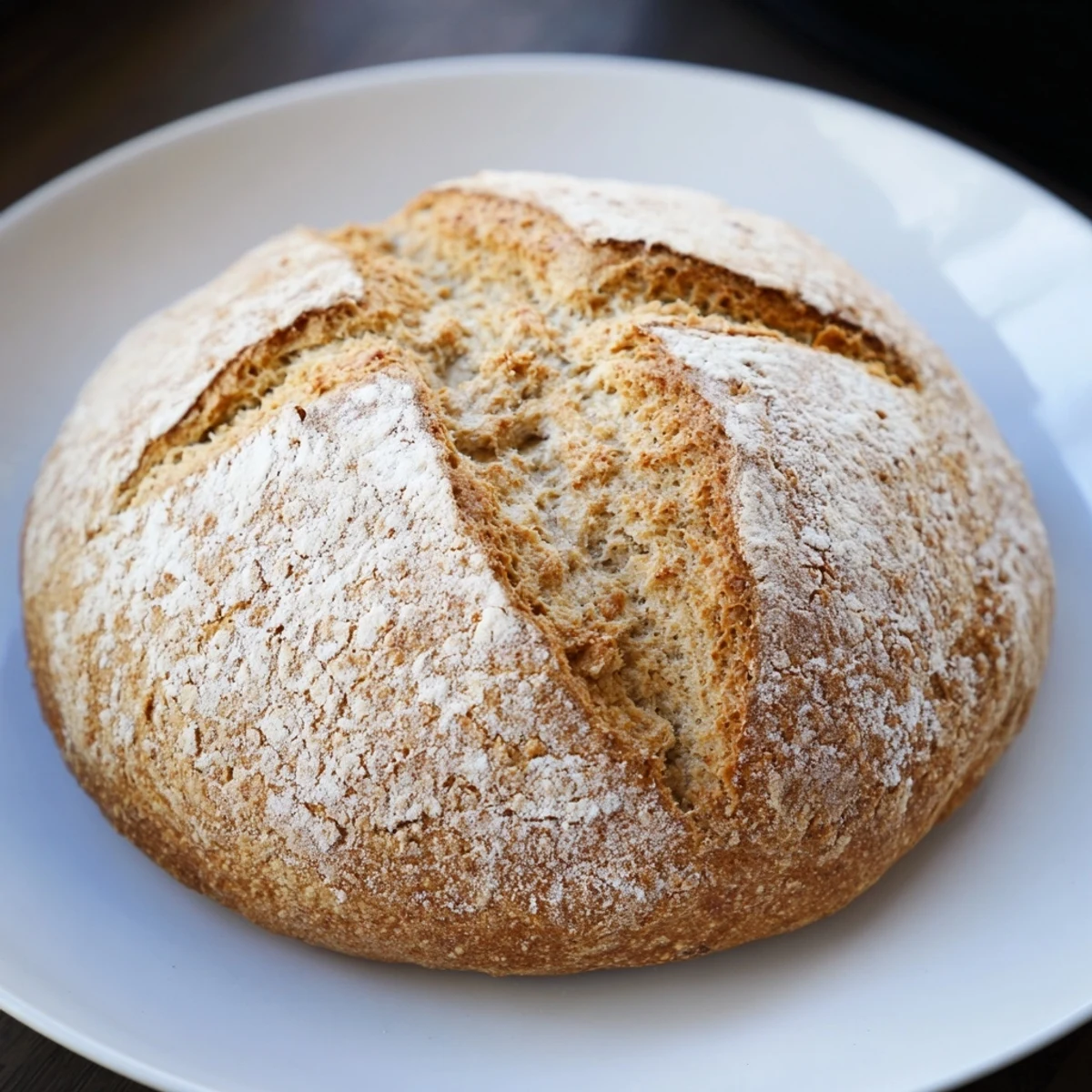
Save This bread became our weekend tradition during those gray winter months. My kids started requesting it specifically for Sunday morning breakfast, slathering thick slices with salted butter while still slightly warm. There is something profoundly grounding about pulling a homemade loaf from your oven, no matter how simple the method.
Understanding the Buttermilk Magic
Buttermilk is not just a liquid here—it is the chemical partner that makes the baking soda work. The acidity triggers the reaction that creates those tiny bubbles of carbon dioxide, giving your bread its lift and characteristic texture. I once tried regular milk in a pinch and the result was a dense, disappointing brick that taught me to respect the recipe.
When to Add Whole Wheat
Half whole wheat flour adds a nutty depth and extra nutrition while still maintaining a tender crumb. I gradually worked up to this ratio after several loaves, because going all whole wheat on your first attempt can result in something heavy and dry. The bread becomes earthier and more substantial, perfect for stews and hearty soups.
Serving and Storage
This bread has a short shelf life but rewells beautifully in a 350°F oven for about 10 minutes. I keep any leftovers wrapped in a clean kitchen towel rather than plastic, which preserves the crust better and prevents sogginess.
- Freeze whole baked loaves wrapped tightly in plastic and foil for up to 3 months
- Slice before freezing for quick toasting straight from the freezer
- The bread also makes excellent breadcrumbs if you let it go slightly stale
 Save
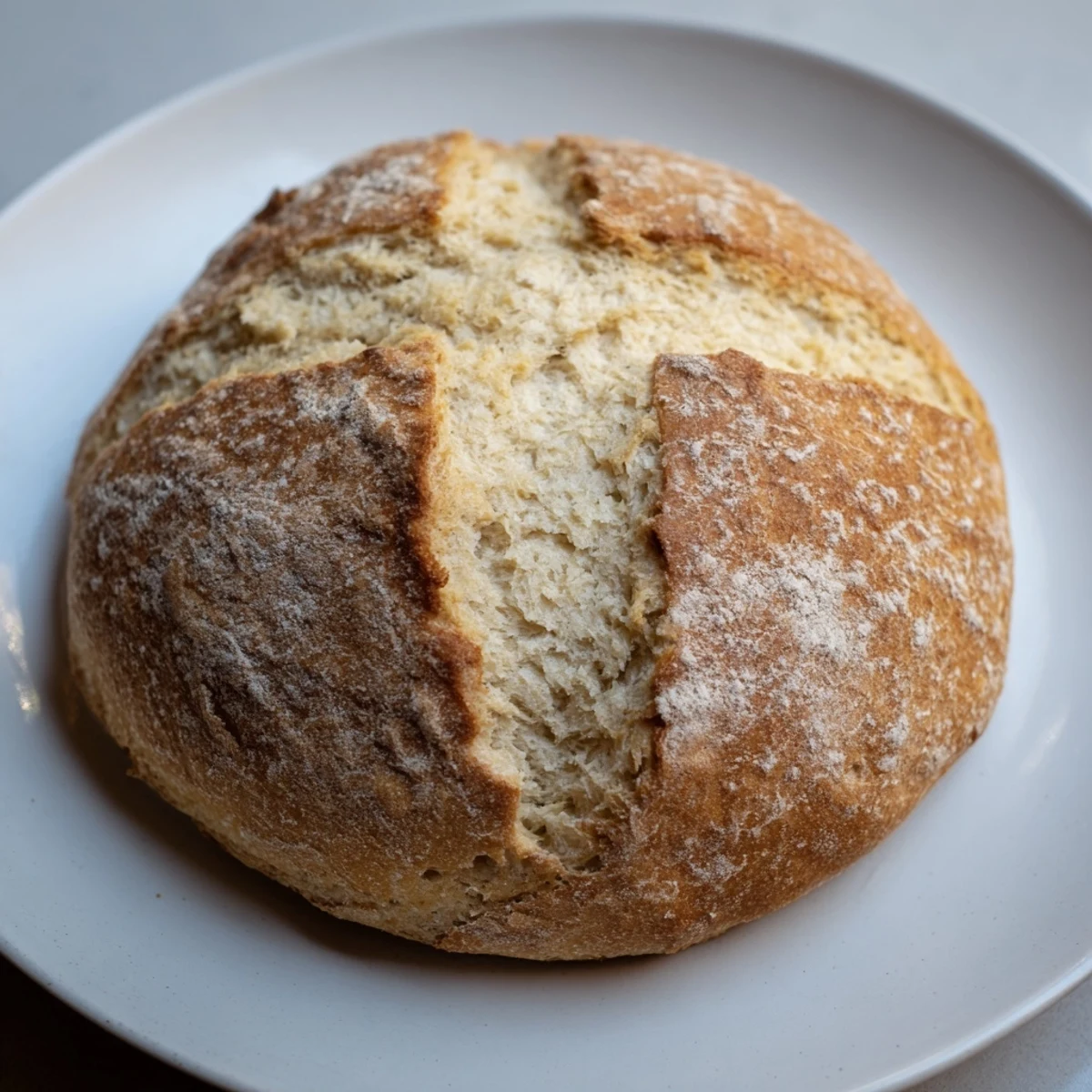
Save Some mornings, especially when the kitchen is still quiet and everyone else is asleep, I mix up a batch just because I can. The smell of it baking fills the whole house and feels like an invitation to slow down.
Recipe FAQs
- → What makes Irish soda bread different from other breads?
-
Irish soda bread uses baking soda instead of yeast as a leavening agent, allowing for quick preparation without rising time.
- → Can I substitute buttermilk in this bread?
-
Yes, you can mix milk with lemon juice or vinegar and let it sit for 5 minutes as a buttermilk substitute.
- → Why is the dough not over-kneaded?
-
Gentle kneading helps maintain a tender crumb and prevents the bread from becoming tough or dense.
- → What is the purpose of cutting a deep X on top before baking?
-
The X allows steam to escape and helps the loaf expand, forming the characteristic crust and shape.
- → How should the bread be served for best flavor?
-
It is delicious served warm with salted butter or jam, enhancing its rustic, hearty qualities.