
 Save
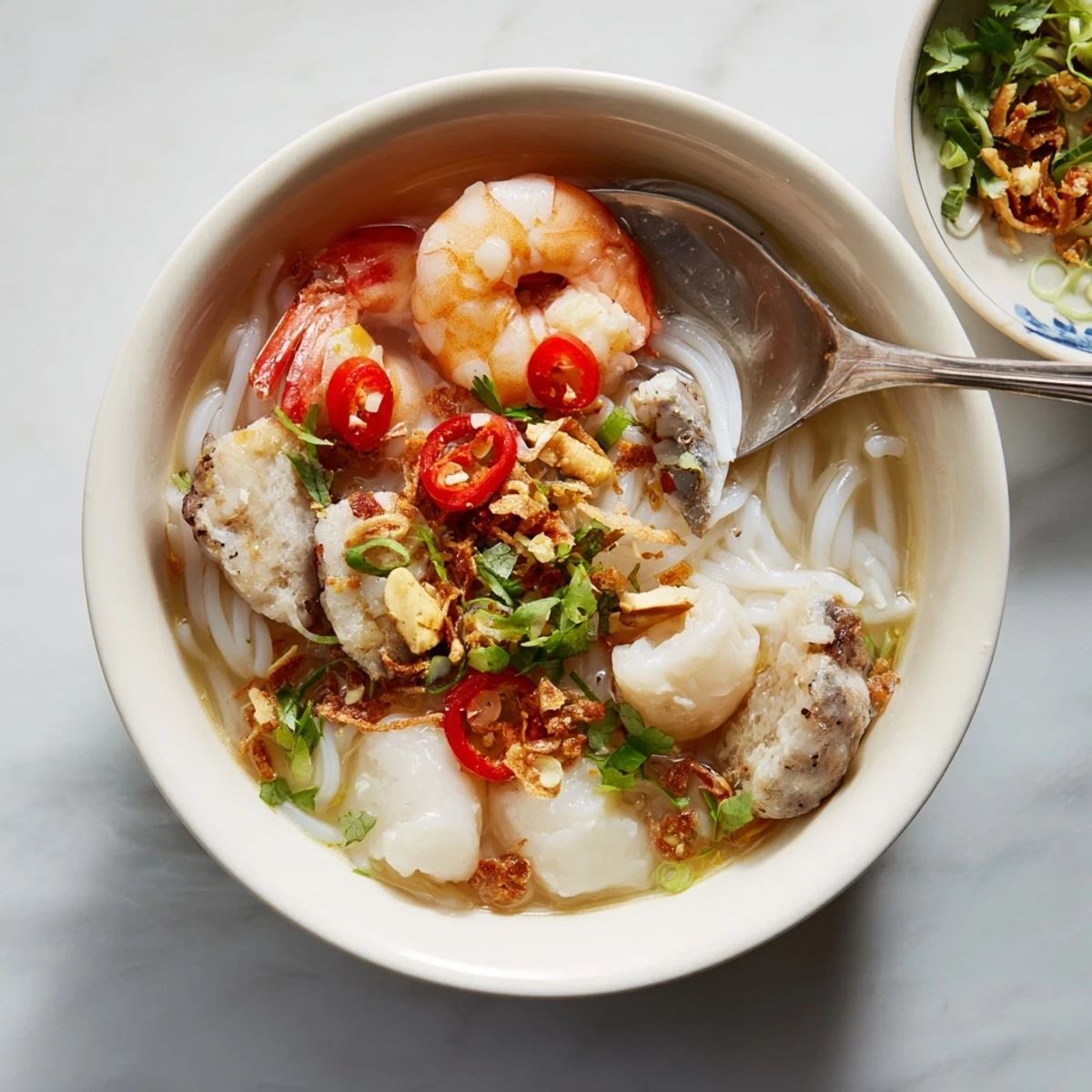
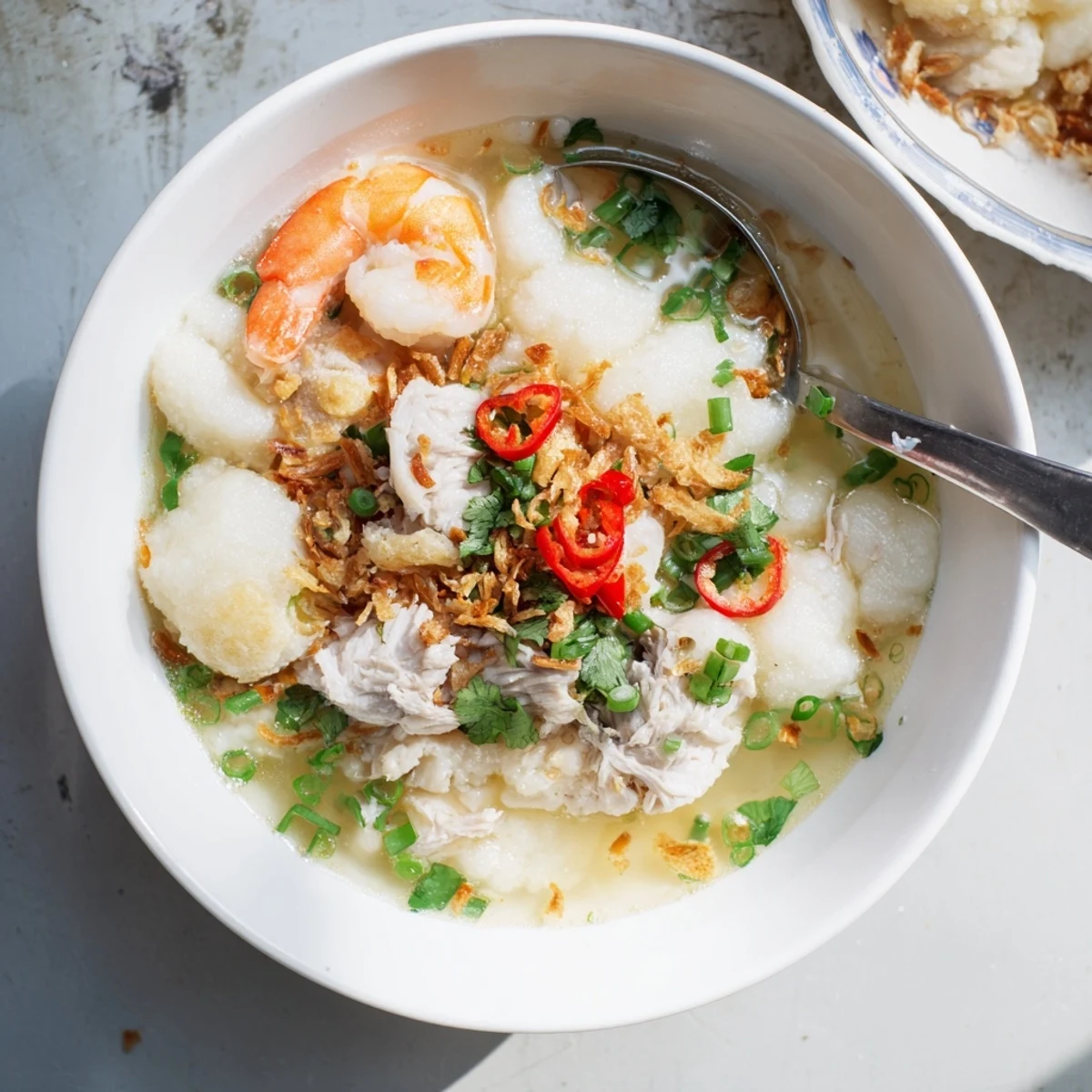
Save Banh Canh Cua brings together hearty tapioca noodles with sweet crab meat, plump shrimp, and sliced fish cakes in a fragrant simmered broth. The thick, chewy noodles soak up the savory flavors enhanced by fish sauce, aromatics, and fresh garnishes like cilantro, fried shallots, and lime. Perfect for four servings, this dish balances rich seafood depth with bright herbal notes. Ready in just over an hour, it's an ideal centerpiece for sharing with family or friends seeking authentic Vietnamese comfort.
My grandmother's tiny kitchen in Saigon always smelled like this soup. She would wake before sunrise, the clack of her cleaver against crab shells echoing through the house. Those thick chewy noodles swimming in amber broth became my benchmark for what comfort food should be. I've spent years trying to recreate that specific feeling of warmth she served in simple ceramic bowls.
Last winter, I made a massive pot for friends recovering from the flu. Something about that steaming broth, fragrant with fried shallots and fresh herbs, seemed to heal them faster than any medicine. They sat around my kitchen table, noses running but smiles wide, asking for third helpings.
Ingredients
- Chicken stock: Using a good quality stock as your base means you don't have to simmer for hours to get depth
- Pork bones: These add body and richness that seafood alone can't provide, blanching first keeps the broth clear
- Fresh crab meat: The sweetness of real crab makes all the difference, though I won't tell if you use imitation in a pinch
- Banh canh noodles: These thick tapioca noodles are what make this dish special, they should be chewy not mushy
- Fried shallots: Don't skip these, they add a crucial sweet savory crunch that Vietnamese soups depend on
Instructions
- Build your broth foundation:
- Combine chicken stock, blanched pork bones, halved onion, smashed garlic, salt, and sugar in a large pot. Bring everything to a rolling boil, then lower the heat and let it simmer gently for 30 minutes. Skim off any foam that rises to the top, this keeps your broth clean and clear.
- Season and strain:
- Stir in the fish sauce, then carefully remove the pork bones and onion halves. Taste your broth now, this is your chance to adjust the seasoning before adding the delicate seafood.
- Cook the shrimp:
- Add the peeled shrimp to the simmering broth and cook for just 2 to 3 minutes. Watch them closely, the moment they turn pink and curl, remove them immediately. Overcooked shrimp in this soup would be a tragedy.
- Infuse with crab:
- Gently add the crab meat and sliced fish cakes to the broth, letting everything simmer together for 5 to 7 minutes. This step is what marries all the flavors together. Don't boil vigorously here, you want the crab to stay tender.
- Prepare the noodles:
- Cook your banh canh noodles according to the package directions, then drain and give them a quick rinse. This prevents them from clumping together. If they're fresh, they'll only need a quick dip in boiling water.
- Assemble each bowl:
- Divide the noodles among four serving bowls, then arrange the shrimp, crab meat, and fish cakes on top. Ladle that fragrant hot broth over everything, letting it immediately warm the seafood again.
- Add the finishing touches:
- Sprinkle each bowl with spring onions, fried shallots, chopped cilantro, and fresh black pepper. Serve with lime wedges and sliced chili on the side so everyone can season their own bowl exactly how they like it.
 Save
Save This soup became a tradition in our house whenever someone needed celebrating or comforting. There's something about the process of assembling each bowl individually that turns a simple dinner into an occasion. My youngest nephew now requests it for every birthday.
Making It Your Own
I've learned that the best versions of this soup adapt to what's available. Sometimes I add quail eggs when I want to make it fancy. Other times, extra vegetables find their way into the broth depending on what's in my crisper drawer.
The Perfect Noodle Texture
Finding the right banh canh noodles took me years of searching through Asian markets. They should bounce when you drop them, not disintegrate. I always buy extra and freeze them, that way I'm never more than a quick boil away from comfort food.
Broth Variations
Some days I make a completely seafood based broth by skipping the pork bones and doubling down on crab shells. It changes the character entirely but still brings that same warmth to the table. The best cooks I know aren't afraid to break with tradition.
- Keep your garnishes prepped before you start cooking
- Have all your bowls ready before assembling
- Serve the soup piping hot, it's not the same when lukewarm
 Save
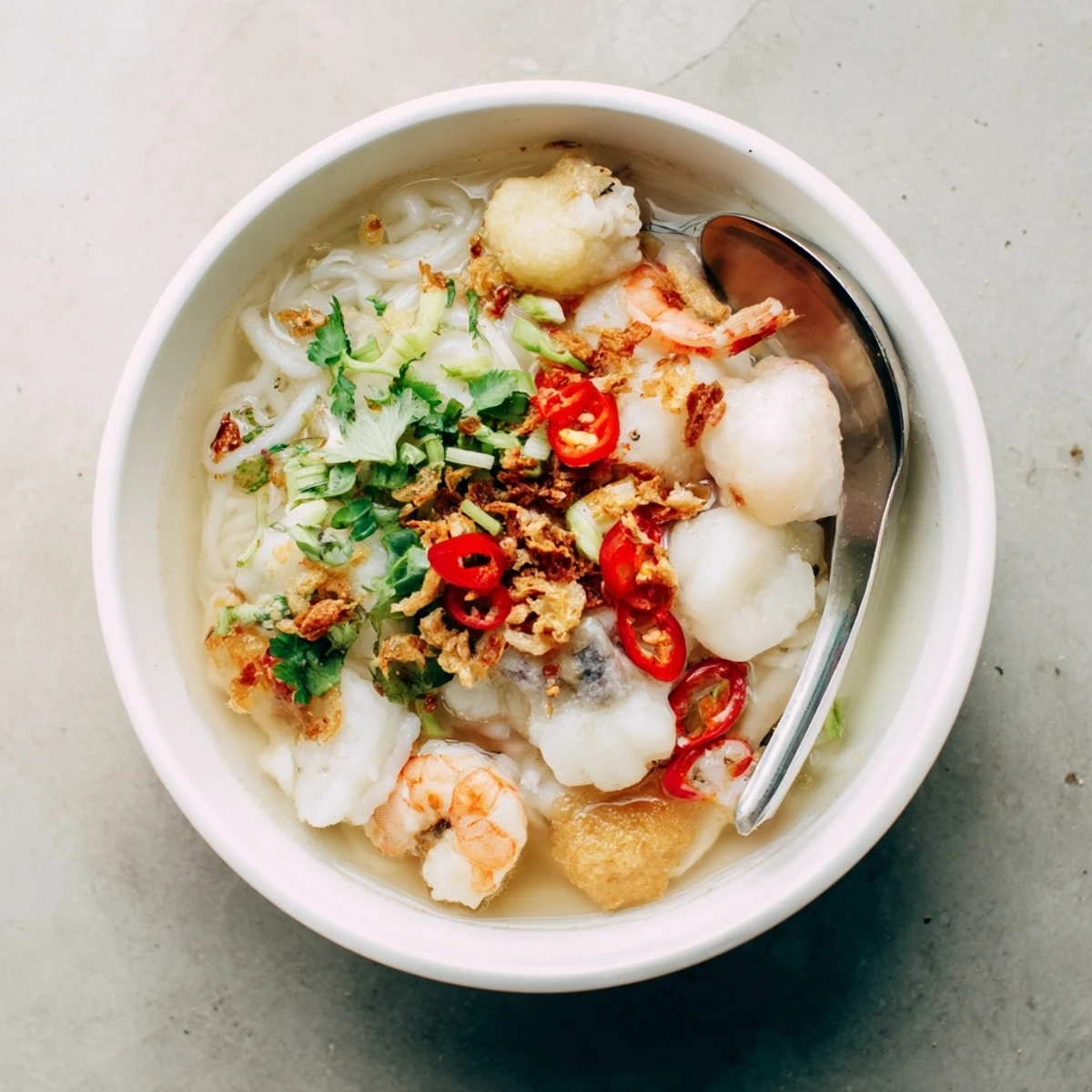
Save There's nothing quite like lifting a bowl of this soup to your face and inhaling that steam first. Every spoonful brings back that tiny Saigon kitchen and my grandmother's hands, busy at the stove before dawn.
Recipe FAQs
- → What makes Banh Canh Cua different from other Vietnamese noodle soups?
-
The thick, chewy tapioca noodles distinguish Banh Canh from thinner rice noodle varieties like pho or bun. Combined with crab-centric broth and generous seafood toppings, this creates a uniquely substantial texture and richer flavor profile.
- → Can I use imitation crab instead of fresh crab?
-
Yes, imitation crab or frozen crab works well when fresh crab is unavailable. While fresh crab offers superior sweetness and texture, these alternatives still deliver satisfying flavor and are more budget-friendly for everyday cooking.
- → How do I prevent the noodles from sticking together?
-
Rinse cooked noodles lightly under cool water after draining to remove excess starch. Toss with a small amount of oil if serving isn't immediate. Add noodles to hot broth just before serving to maintain their ideal chewy texture.
- → What can I substitute for fish cakes?
-
Firm tofu, sliced squid, or additional shrimp work as excellent alternatives. For a pescatarian-friendly option, try adding more crab or white fish cubes. The goal is maintaining variety in texture and seafood depth within the bowl.
- → Is this dish gluten-free?
-
Traditional banh canh tapioca noodles are naturally gluten-free. However, fish cakes and fish sauce may contain gluten depending on the brand. Check labels carefully and choose certified gluten-free fish sauce to accommodate dietary restrictions.
- → How should I store leftovers?
-
Store broth and seafood separately from noodles to prevent sogginess. Keep broth refrigerated for up to 3 days. Reheat broth gently, then cook fresh noodles when ready to serve. The seafood flavors actually deepen after resting overnight.