
 Save
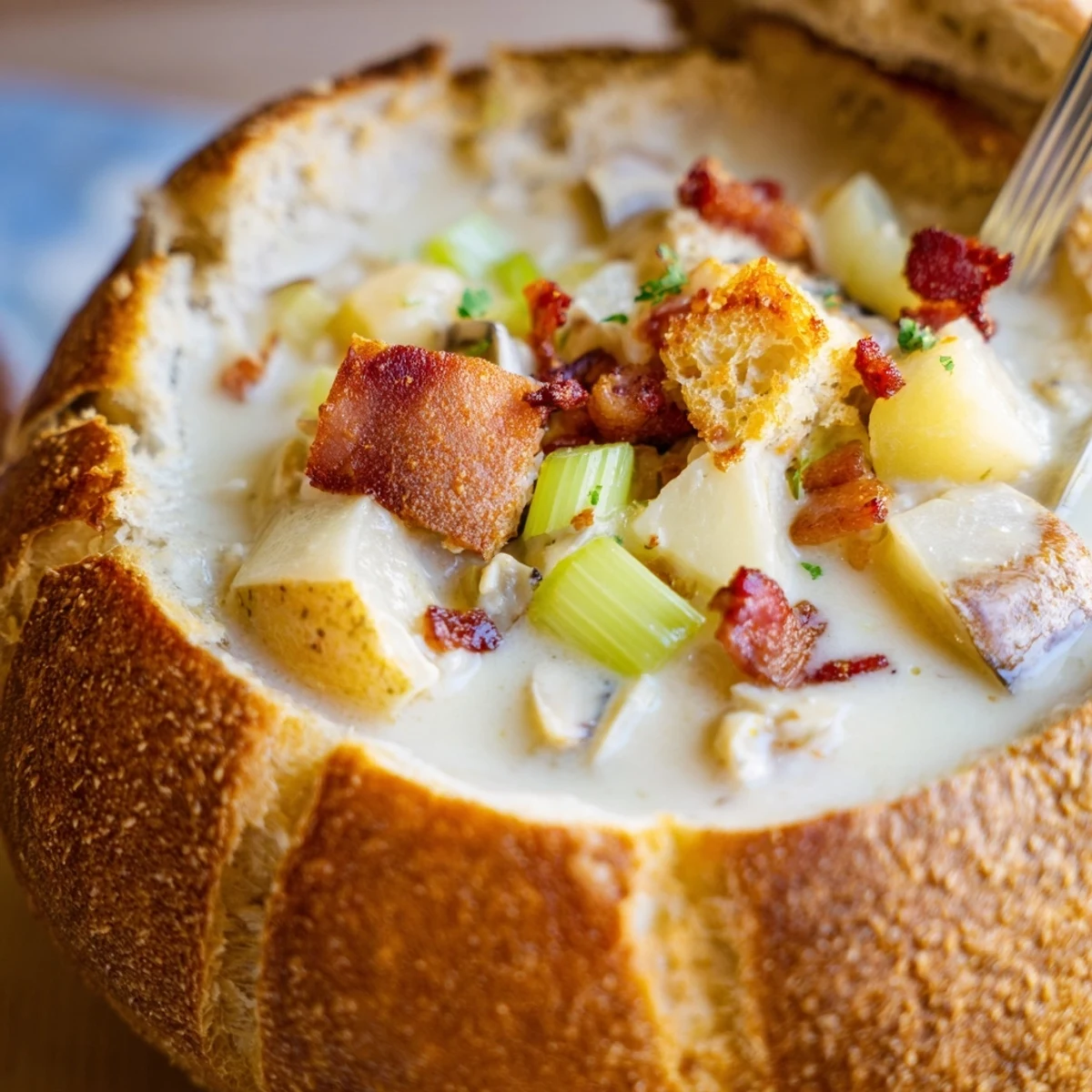
Save This comforting New England classic combines succulent clams, diced potatoes, and crispy bacon in a creamy, velvety broth finished with heavy cream. The chowder comes together in about an hour, with bacon rendering its rich fat for a flavor-packed base, followed by a roux and gradual addition of clam juice and cream to achieve the perfect texture.
Tender clams are added toward the end of cooking to maintain their delicate texture, while the warming of sourdough bread bowls in the oven completes the presentation. This dish serves four and strikes the ideal balance between indulgent comfort and refined seafood preparation.
The scent of brine and smoky bacon wafting through my kitchen always transports me to that foggy San Francisco afternoon when I first tasted clam chowder in a sourdough bowl. I was shivering from the Bay Area chill when a street vendor handed me this steaming creation. Back home in my Midwest kitchen, I spent weeks perfecting my version, determined to capture that moment of pure comfort.
Last winter, I made this for my neighbor whod broken her ankle slipping on ice. Her eyes lit up when I arrived with the steaming bread bowls wrapped in foil. As we sat in her living room, the conversation flowing as easily as the chowder, she admitted shed never had homemade clam chowder before, only the canned stuff. Her reaction to that first spoonful was worth every minute of preparation.
Ingredients
- Canned clams: The secret is using both the clams and their juice, creating a double-punch of oceanic flavor that makes this soup taste like it came from a seaside shack.
- Bacon: After years of making this, I discovered that dicing the bacon before cooking creates more rendering and better distribution of that smoky flavor throughout the chowder.
- Russet potatoes: These particular potatoes break down slightly during cooking, naturally thickening your chowder while still maintaining some texture.
- Sourdough bread bowls: The tanginess of true sourdough creates this magical contrast with the creamy chowder, and I recommend finding the freshest loaves possible from a local bakery.
Instructions
- Render that bacon magic:
- Start by cooking diced bacon until its crisp but not burnt, watching as it releases its smoky essence into the pot. The sizzle and aroma will tell you when its ready to be scooped out, leaving behind liquid gold.
- Create your flavor base:
- When you add butter and vegetables to the bacon fat, youll hear a satisfying hiss that signals youre building layers of flavor. Let the onions turn translucent before adding the other vegetables.
- Master the roux moment:
- Sprinkle flour over the vegetables and keep stirring continuously, watching the mixture turn slightly golden and smelling wonderfully nutty. This two-minute step is crucial for a silky-smooth chowder.
- Build your chowder:
- Pour in the liquids slowly while whisking, feeling the resistance as the roux transforms them into a velvety base. Add the potatoes and seasonings, letting everything simmer until the kitchen fills with an irresistible aroma.
- Bring it all together:
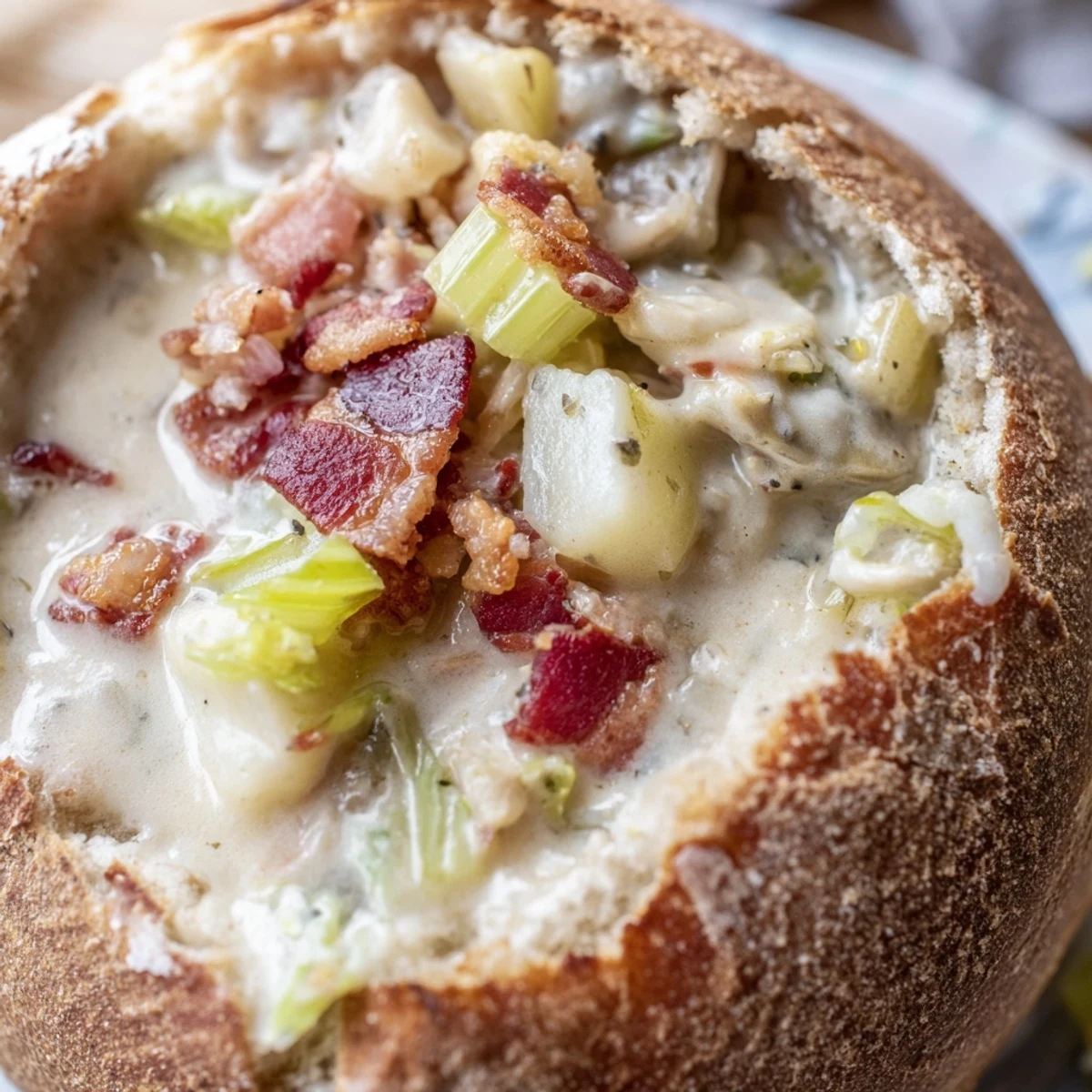
- Once the potatoes yield easily to a fork, gently fold in those precious clams and reserved bacon. The chowder will take on a beautiful creamy color with specks of white and pink throughout.
- Prepare your bread vessels:
- Slice the tops off each sourdough loaf and hollow out the centers, creating natural bowls that will cradle your creation. The bread you remove can be torn into chunks for dipping or saved for breadcrumbs.
- Serve with flourish:
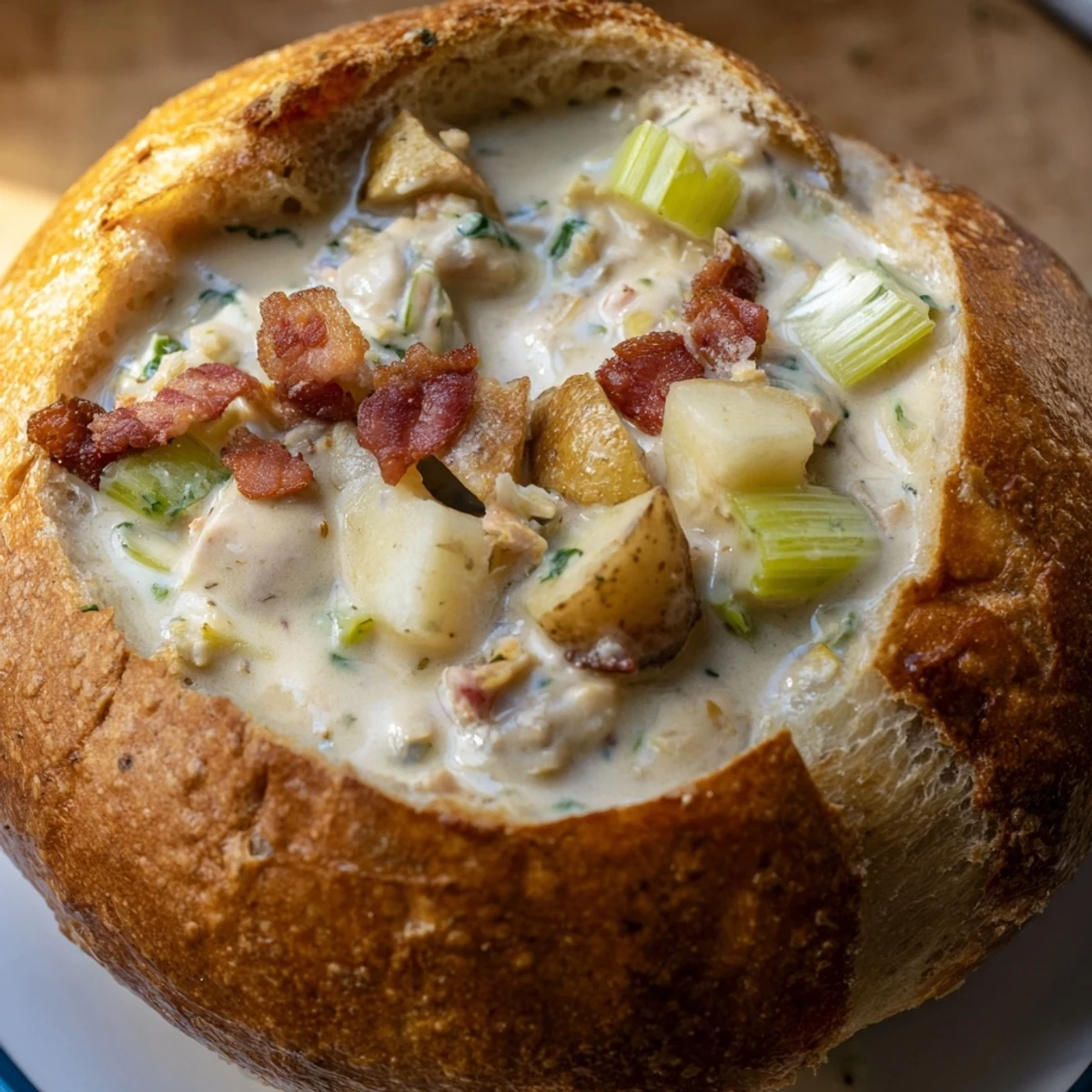
- Ladle the steaming chowder into the warmed bread bowls, watching as it fills the cavity right to the brim. The contrast of the white chowder against the golden sourdough crust makes for a presentation thats both rustic and elegant.
 Save
Save One rainy Sunday, my kitchen became a refuge for friends who dropped by unexpectedly after a canceled hiking trip. With nothing planned for dinner, I remembered having clams in the pantry and a sourdough loaf from the farmers market. As we crowded around my tiny table, spoons scraping against bread, one friend mentioned this was better than therapy. In that moment, I understood how food creates sanctuary.
Choosing the Perfect Bread Bowl
After experimenting with different types of bread bowls, Ive found that day-old sourdough works best as its sturdy enough to hold the chowder without leaking but still has enough give to absorb some of the liquid. The crust should make a cracking sound when you press it gently with your thumb, a telltale sign of that perfect exterior that will hold up to the steam and moisture.
Clam Selection Wisdom
While fresh clams make a stunning chowder when you have access to them, quality canned clams have saved me countless times and actually create a more consistent flavor profile. The key difference Ive discovered is to add canned clams much later in the cooking process than fresh ones, preserving their texture and preventing that slightly metallic taste that can develop with overcooking.
Transforming Leftovers
On the rare occasion we have leftover chowder, Ive learned it transforms beautifully into a pasta sauce the next day, especially when tossed with fettuccine or linguine. The starches in the pasta revive the thickening qualities that may have diminished overnight in the refrigerator.
- For thicker leftover chowder, thin it with a splash of milk or chicken broth before reheating, stirring frequently to prevent scorching.
- The bread bowls can be cubed and toasted for incredible homemade croutons that carry hints of the chowders flavor.
- Store any remaining chowder in glass containers rather than plastic to prevent that lingering seafood scent from permeating your refrigerator.
 Save
Save This clam chowder in a sourdough bread bowl isnt just a meal, its an experience that engages all the senses. Whether youre serving it on a cold winter evening or surprising someone with a taste of New England comfort, its a recipe that creates moments worth remembering.
Recipe FAQs
- → What type of clams work best for this chowder?
-
The recipe uses canned chopped clams for convenience and consistency. However, fresh littleneck or cherrystone clams provide superior flavor—steam them until they open, remove the meat, chop it, and use the steaming liquid as part of your clam juice for maximum depth.
- → Can I prepare the chowder ahead of time?
-
Yes, prepare the chowder up to step 5 and refrigerate for up to 2 days. Reheat gently over medium-low heat without boiling. Add the clams and bacon just before serving to preserve their texture and prevent the clams from becoming rubbery.
- → How do I prevent the cream from curdling?
-
Maintain a gentle simmer rather than a rolling boil after adding the cream. When incorporating clams, keep the heat low and avoid boiling, as the acidity and high heat can cause curdling. Tempering the cream by slowly whisking it into the hot broth helps as well.
- → What bread works if sourdough isn't available?
-
Crusty round rolls, focaccia, or ciabatta work beautifully as alternatives. Avoid soft breads like brioche or sandwich rolls, which will absorb too much liquid and disintegrate. Whole wheat or multigrain bread adds nutritional interest and earthiness.
- → How do I adjust the consistency if the chowder is too thick?
-
Whisk in additional clam juice, seafood stock, or whole milk a quarter cup at a time until reaching your desired consistency. If it's too thin, dissolve a cornstarch slurry (equal parts cornstarch and cold water) and stir it in slowly while simmering.
- → What wine pairs well with this dish?
-
A crisp, unoaked Sauvignon Blanc complements the briny clams and creamy richness beautifully. Alternatively, a malty amber ale or a light pilsner provides a refreshing contrast to the soup's richness while echoing the toasted notes of sourdough.