
 Save
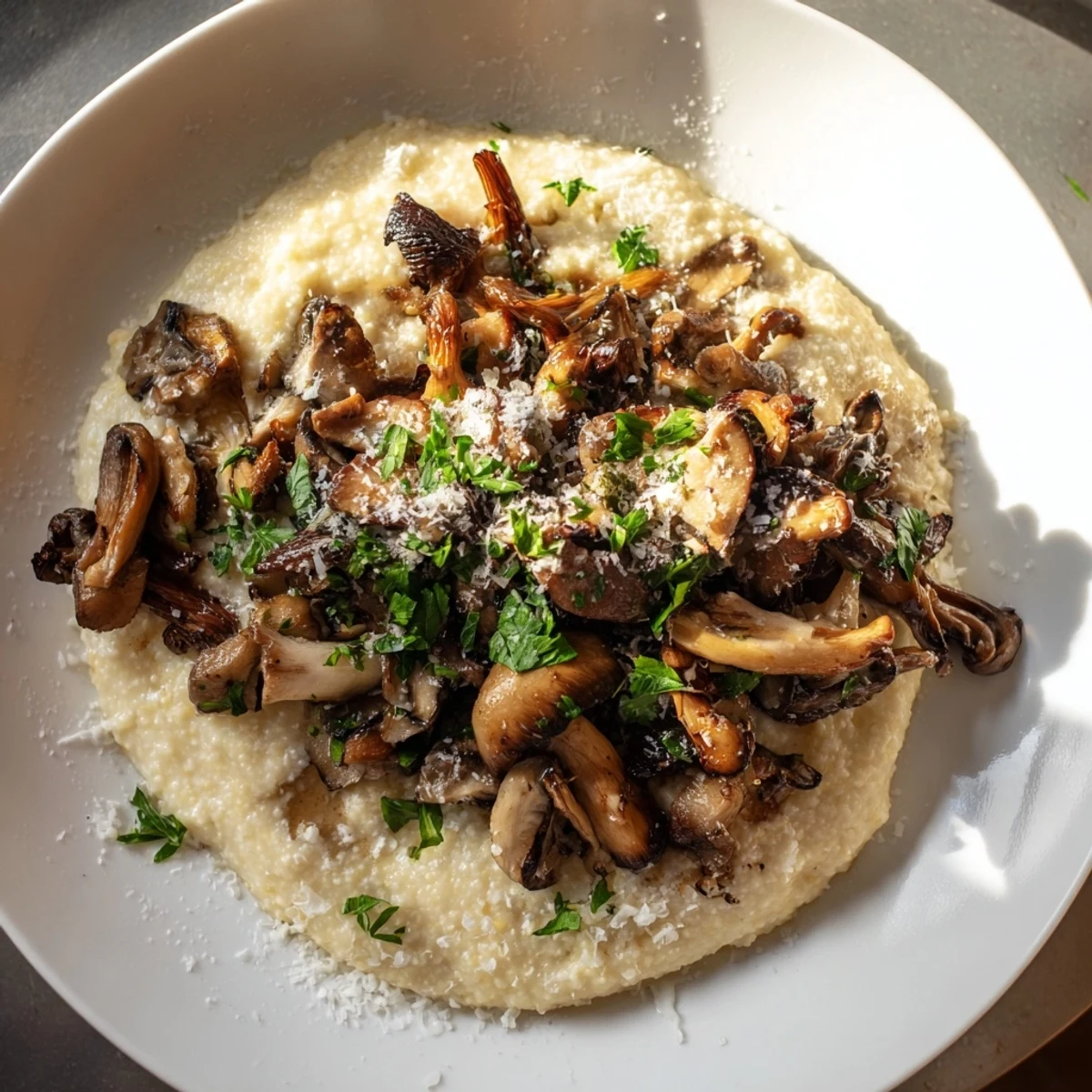
Save This dish combines smooth, slowly cooked polenta with a rich topping of oven-roasted wild mushrooms, seasoned with garlic and thyme. The polenta is infused with butter and Parmesan to create a luscious texture, while mushrooms gain deep, caramelized flavors from roasting at high heat. Finished with fresh parsley and extra cheese, it offers a comforting vegetarian main packed with rustic character and simple elegance.
The first time I had polenta this good was in a tiny farmhouse kitchen in Tuscany, where the cook told me her secret was patience and plenty of butter. The earthy aroma of wild mushrooms filled the entire room, making everyone gather around the stove with wine glasses in hand. Ive been chasing that memory ever since, and this recipe finally gets me there.
Last winter, my friend Sarah dropped by unexpectedly during a snowstorm and I threw this together with whatever I had in the fridge. We ended up eating standing up at the counter, too hungry to bother with proper plates, and she still texts me about that meal. Thats the kind of dish this is, the one that turns random Tuesday nights into something worth remembering.
Ingredients
- Coarse cornmeal: The coarse grind gives polenta its signature texture, and Ive found stone-ground brands have noticeably better flavor
- Water and milk combination: Using both makes the polenta creamy without being too rich, though you can use all milk for extra decadence
- Unsalted butter: Two tablespoons might seem generous, but this is what transforms good polenta into restaurant-quality
- Parmesan cheese: Freshly grated makes all the difference here, the pre-grated stuff just doesnt melt the same way
- Mixed wild mushrooms: The combination creates depth, but if you can only find cremini theyll still work beautifully
- Fresh thyme: Dried works in a pinch, but fresh thyme adds this aromatic brightness that ties everything together
Instructions
- Get your mushrooms roasting:
- Preheat that oven to 425°F and toss your sliced mushrooms with olive oil, melted butter, garlic, thyme, salt, and pepper until every piece is coated. Spread them in a single layer on a baking sheet, giving them room to breathe and crisp up.
- Let the mushrooms work their magic:
- Roast for 20 to 25 minutes, stirring once halfway through, until theyre golden brown with those irresistible crispy edges. The kitchen will start smelling amazing right about now.
- Start the polenta base:
- While the mushrooms are doing their thing, bring your water and milk to a gentle simmer in a large saucepan over medium heat. You want it hot but not violently boiling.
- Add the cornmeal slowly:
- Whisk in the cornmeal gradually, stirring constantly to keep those lumps at bay. Lower the heat to maintain a gentle bubble and cook for 20 to 25 minutes, stirring frequently until the polenta pulls away from the sides of the pan.
- Finish it with love:
- Stir in the butter, Parmesan, salt, and pepper until everything is melted and incorporated. Give it a taste and adjust the seasoning if it needs more salt or cheese.
- Bring it all together:
- Spoon that creamy polenta into bowls, pile the roasted mushrooms on top, and finish with chopped parsley and extra Parmesan. Serve immediately while the polenta is still silky and hot.
 Save
Save My sister used to claim she hated polenta until she tried this version at my annual comfort food dinner, and now she requests it every time she visits. Theres something about the combination of textures and flavors that makes people pause mid-bite and ask what exactly makes it so good.
Choosing Your Mushrooms
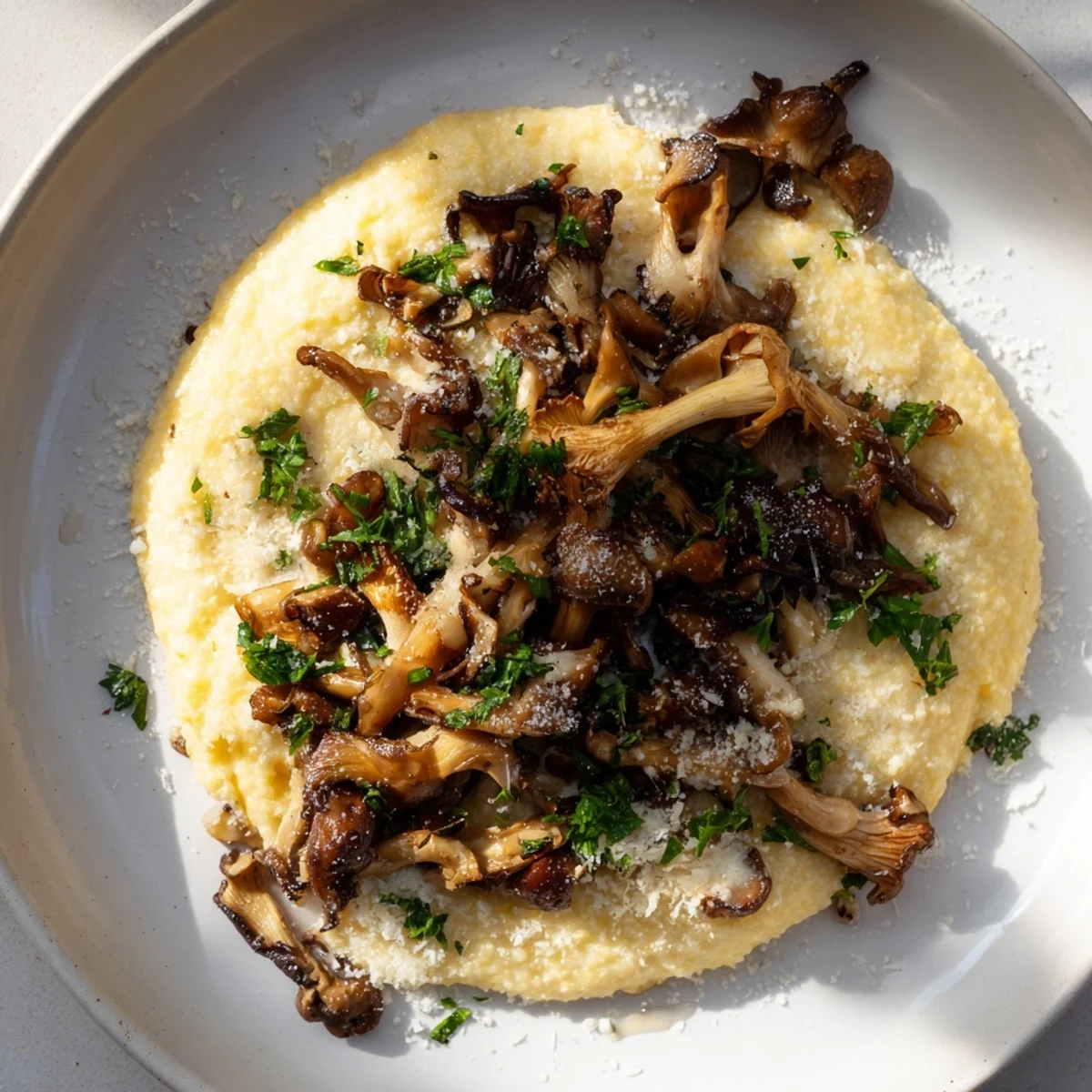
Ive learned that mixing at least two varieties of mushrooms creates the most interesting flavor profile. Cremini bring earthiness, shiitakes add umami depth, and oysters contribute this delicate almost seafood-like quality that surprises people. Dont stress about finding exotic varieties though, even just cremini and shiitakes together will give you that restaurant-quality result.
Making It Your Own
Sometimes I swap in gorgonzola for the Parmesan when I want something bolder, or add a splash of heavy cream to the polenta at the very end for extra richness. In the fall, a little chopped rosemary alongside the thyme makes the whole dish feel cozier. The basic formula is forgiving enough to handle these little experiments without failing.
Serving Suggestions
This polenta holds its own as a main course, but Ive also served it alongside roasted chicken or as part of a larger Italian feast. A crisp white wine like Pinot Grigio cuts through the richness beautifully. In summer, a simple arugula salad with lemon vinaigrette on the side balances everything perfectly.
- Let the polenta rest for two minutes before serving so it sets up slightly
- Warm your bowls in the oven for a few minutes to keep everything hot longer
- Have extra Parmesan at the table because everyone will want more
 Save
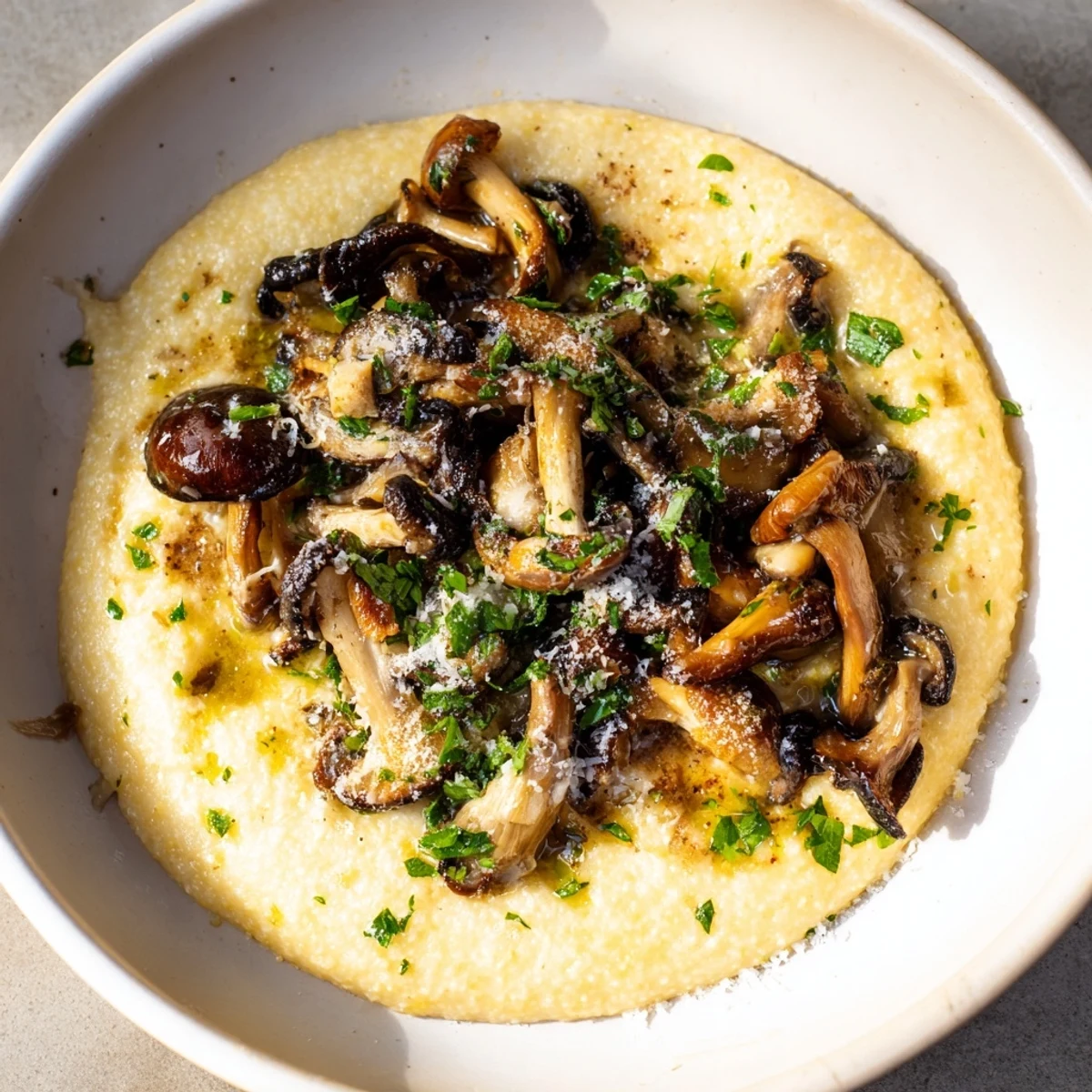
Save There's something deeply satisfying about a dish that comes from humble ingredients but tastes like it came from a kitchen with way more time and equipment than you actually have. This polenta is comfort food at its finest, the kind that makes even a regular Tuesday feel worth celebrating.
Recipe FAQs
- → What type of mushrooms work best for roasting?
-
A mixed variety such as cremini, shiitake, oyster, and chanterelle provides great texture and flavor complexity when roasted.
- → How can I achieve creamy polenta without lumps?
-
Slowly whisk the cornmeal into simmering liquid and stir frequently over low heat to develop a smooth, thick texture.
- → Can I make this dish dairy-free?
-
Yes, substitute butter with a plant-based alternative and use vegan cheese instead of Parmesan for a dairy-free version.
- → What herbs enhance the mushroom flavor best?
-
Fresh thyme is ideal, lending an earthy aroma that complements the roasted mushrooms perfectly.
- → How should I serve this dish for best taste?
-
Serve the creamy polenta immediately after topping it with hot roasted mushrooms and sprinkled parsley to preserve texture and flavor.
- → Is this dish suitable for gluten-free diets?
-
Yes, polenta is naturally gluten-free, but always verify the cornmeal packaging for potential cross-contamination.