
 Save
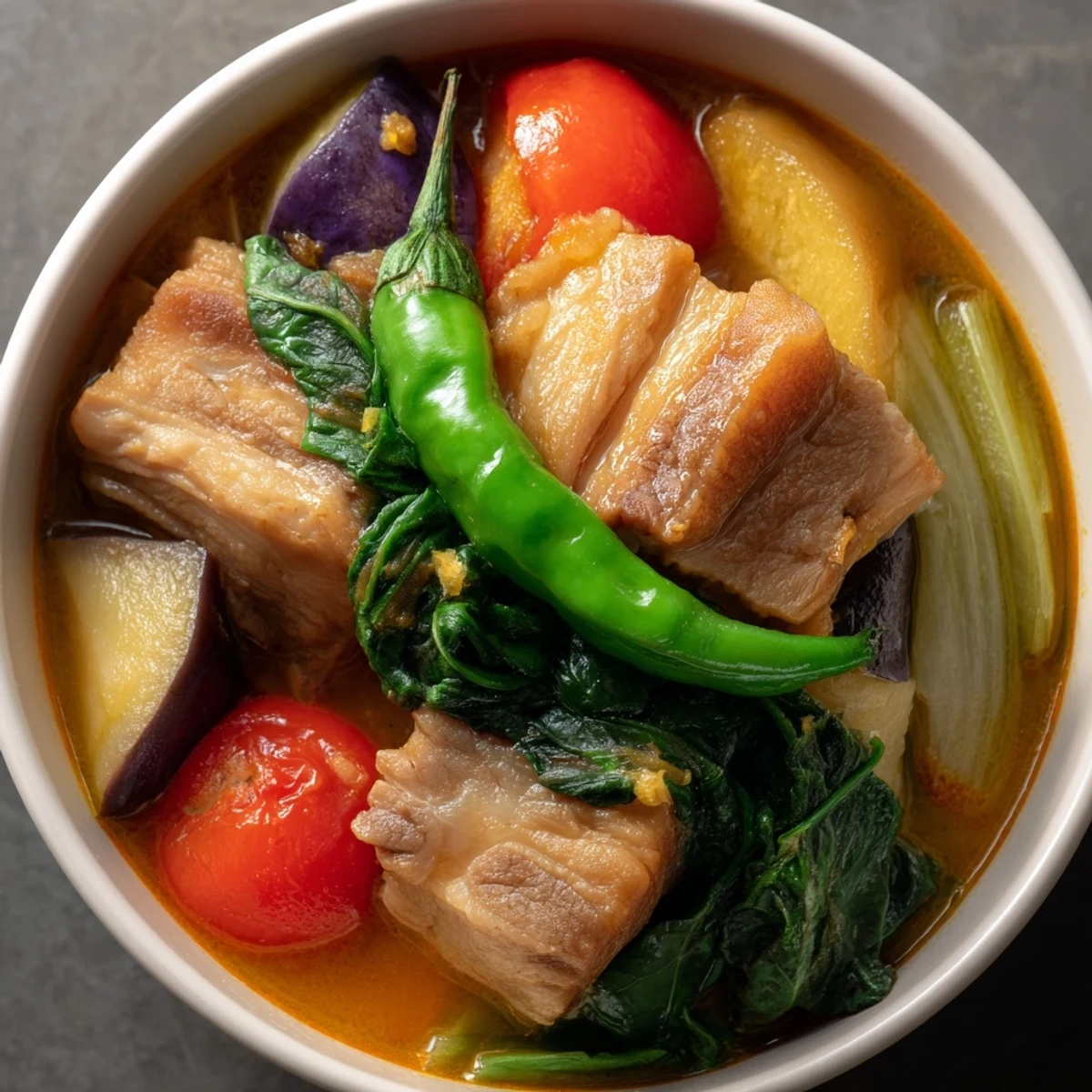
Save Sinigang represents the essence of Filipino comfort cooking, combining a distinct sourness from tamarind with hearty pork and an array of garden vegetables. This one-pot dish simmers slowly, allowing flavors to meld into a deeply satisfying soup that's both refreshing and nourishing. The signature tang comes from tamarind, creating a unique flavor profile that awakens the palate while warming the soul.
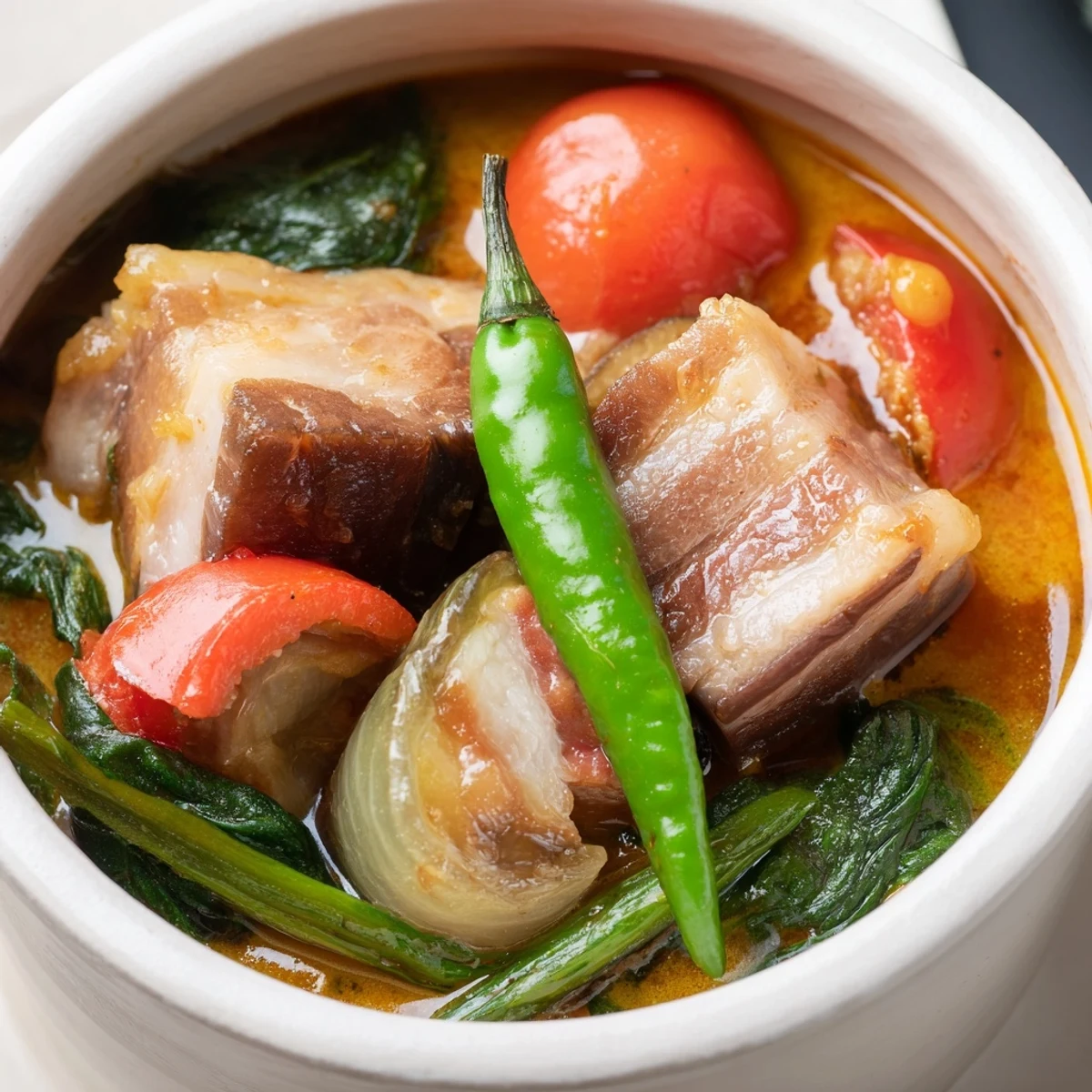
Perfect for rainy days or family gatherings, Sinigang brings together tender pork chunks, crisp daikon radish, eggplant, string beans, and leafy greens in a aromatic broth. Each bowl offers a harmonious balance of sour, savory, and slightly salty notes that make this beloved Filipino staple unforgettable.
The first time I had Sinigang was at my aunt's house in Manila during typhoon season. The rain was hammering against the roof while the kitchen filled with this incredible sour aroma that made my mouth water instantly. One spoonful of that steaming broth, and I understood why Filipinos crave this soup on rainy days. Now every time storm clouds gather, I find myself instinctively reaching for tamarind mix.
Last winter, my partner came down with a terrible cold and nothing seemed to help. I made a massive pot of Sinigang, letting it simmer for hours until the pork was falling apart tender. Something about that hot sour broth cleared their sinuses and lifted their spirits faster than any medicine. Now they request it whenever theyre feeling under the weather, calling it my magic soup.
Ingredients
- 1 kg pork belly or ribs: The fatty richness balances perfectly with the sour broth, and the bones add incredible depth if you use ribs
- 2 medium tomatoes: These melt into the soup as they cook, contributing natural sweetness and body
- 1 large onion: Quarter them so they hold their shape during the long simmer
- 1 daikon radish: Adds a subtle peppery sweetness and absorbs all that tangy broth beautifully
- 10 string beans: Trim and cut them into 2 inch pieces for easy eating
- 1 eggplant: Use Filipino eggplant if you can find it, otherwise regular eggplant works perfectly
- 2 cups spinach or kangkong: These go in last so they stay vibrant and dont get mushy
- 2 long green chili peppers: Optional, but that gentle heat makes every spoonful more interesting
- 1 packet tamarind soup base mix: Fresh tamarind pulp is worth seeking out if you have the time
- 2 tbsp fish sauce: This adds that essential savory umami foundation
- 1 tsp salt: Adjust this at the end since fish sauce is already salty
- ½ tsp black pepper: Freshly ground makes a noticeable difference
- 6 cups water: Start with less and add more as needed for your preferred consistency
Instructions
- Start the broth:
- Bring water to a rolling boil in your largest pot, then add the pork chunks. Skim off any foam that rises to the top for a clearer soup.
- Build the base:
- Add tomatoes and onions, then let everything simmer for about 20 minutes until the pork begins to soften and the vegetables start breaking down.
- Add the hearty vegetables:
- Stir in daikon radish slices and cook for 10 minutes until they start becoming translucent at the edges.
- Add the remaining vegetables:
- Drop in eggplant, string beans, and those chili peppers if youre using them. Let everything simmer for 5 more minutes.
- Create that signature sourness:
- Dissolve the tamarind soup base in a bit of the hot broth first, then stir it into the pot. If using fresh tamarind, mash the boiled pulp and strain it into the soup.
- Season perfectly:
- Add fish sauce, salt, and pepper, then taste and adjust. The broth should be boldly sour with a savory undertone.
- Finish with the greens:
- Toss in spinach or kangkong and simmer for just 2-3 minutes until barely wilted. Overcooking them makes them sad and limp.
 Save
Save My friend's Filipino grandmother told me that Sinigang tastes best when shared with people you love. I've found this to be absolutely true every time I make it. The way everyone leans over their bowls, inhaling that sour steam before taking that first satisfying sip, that's when food becomes something more.
Getting The Sour Balance Right
I've learned that everyone's tolerance for sourness is different. Start with less tamarind than you think you need, then add more gradually. I once made a batch so sour my brother's face puckered up for five minutes straight. Now I always taste as I go, remembering that the flavors concentrate as the soup simmers.
Choosing Your Protein
Pork belly is traditional, but shrimp Sinigang has become my personal favorite for lighter dinners. The key is adding shrimp during just the last 10 minutes of cooking. Fish works beautifully too, but use firm varieties that wont fall apart in the boiling broth. Each protein creates a completely different character in the soup.
Vegetable Variations That Work
There's no single correct way to make Sinigang, and regional variations exist throughout the Philippines. Some cooks add taro for body, others include okra for its natural thickening properties. I've even seen versions with banana blossoms for extra complexity. Trust your instincts and use what looks fresh at the market.
- Okra adds a lovely texture and thickens the broth naturally
- Bok choy makes a great substitute if you cant find kangkong
- Turnips can replace daikon if that's what you have on hand
 Save
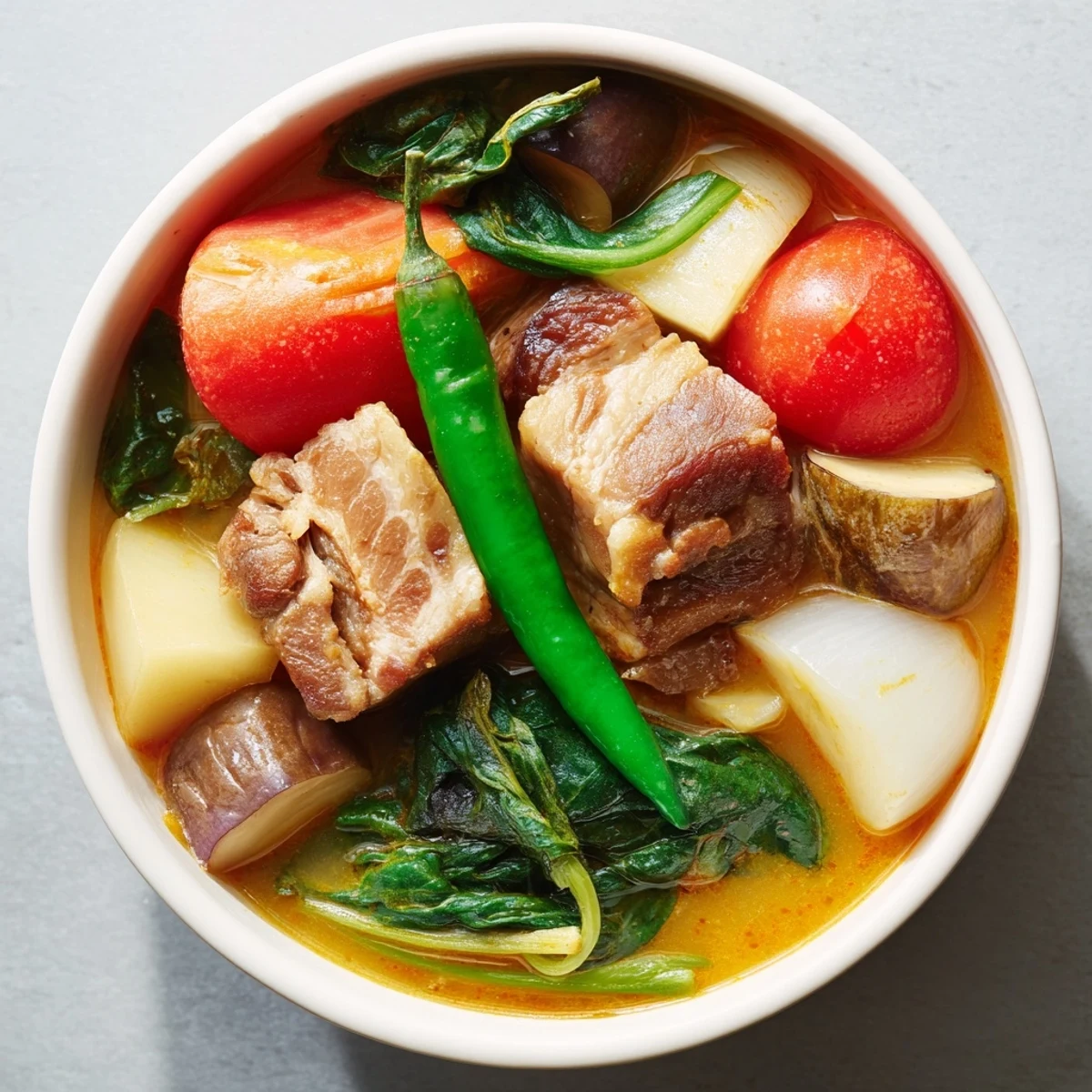
Save There's something deeply comforting about a bowl of Sinigang, whether you're nursing a cold or gathering with family on a rainy evening. That perfect balance of sour, savory, and everything in between makes it the soup I turn to again and again.
Recipe FAQs
- → What makes Sinigang sour?
-
The signature sourness comes from tamarind, which can be used fresh, as a prepared soup base mix, or extracted from pods. Some regional variations also use guava, calamansi, or other sour fruits to achieve the distinctive tangy flavor that defines this beloved dish.
- → Can I make Sinigang with other proteins?
-
Absolutely. While pork belly and ribs are traditional choices, Sinigang adapts beautifully to shrimp, fish, beef, or even chicken. Seafood versions cook more quickly and are added during the final 10 minutes of simmering to prevent overcooking and maintain delicate texture.
- → What vegetables go best in Sinigang?
-
Classic additions include daikon radish, eggplant, string beans, tomatoes, onions, and leafy greens like spinach or water spinach (kangkong). You can also incorporate okra, taro, or even corn depending on regional preferences and seasonal availability.
- → How do I adjust the sourness level?
-
Start with less tamarind base than the package suggests, then gradually add more while tasting. Fresh tamarind allows more control since you can dilute the strained pulp. Balancing with fish sauce and salt helps mellow excessive acidity while enhancing overall depth.
- → Is Sinigang spicy?
-
Traditional Sinigang is not typically spicy, though long green chili peppers are sometimes added for mild heat that complements the sour broth. The chilies are usually left whole and can be omitted entirely if you prefer a purely tangy, savory experience without any spice.
- → What should I serve with Sinigang?
-
Steamed white rice is the essential accompaniment, perfect for soaking up the flavorful broth. The pairing creates a complete, satisfying meal. Some families also enjoy it with crispy fried fish or a simple vegetable side dish for a more substantial spread.