
 Save
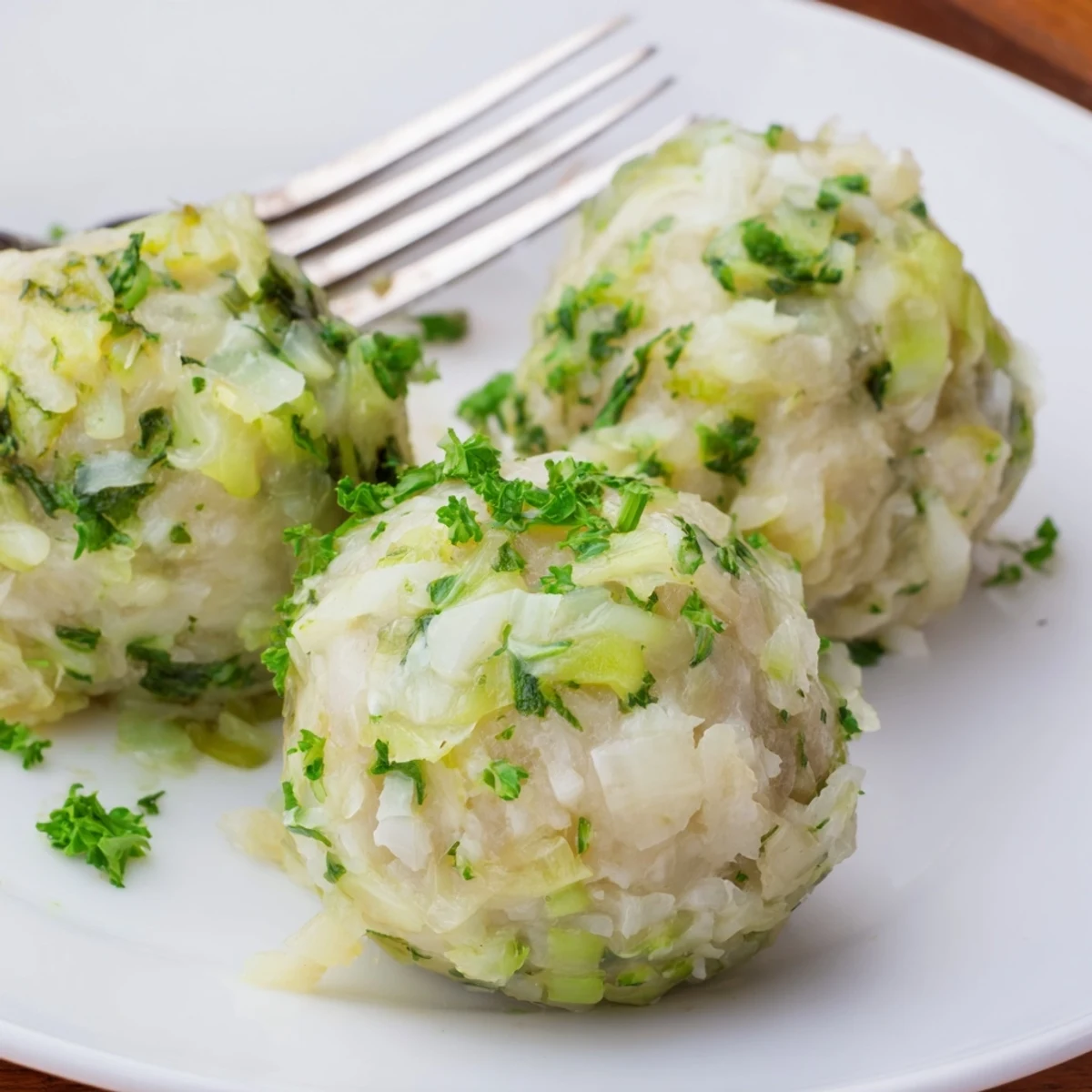
Save These tender German dumplings feature a flavorful filling of shredded cabbage sautéed with onions, combined with soaked bread, eggs, and aromatic spices like nutmeg and parsley. The mixture is shaped into rounds and gently simmered in vegetable broth until firm and cooked through.
The result is light, fluffy dumplings with a comforting texture and rich flavor profile. Perfect as a hearty main course or served alongside roasted meats and gravies.
Each batch yields eight substantial portions that reheat beautifully for next-day meals. Try them with melted butter, creamy mushroom sauce, or simply enjoy their delicate flavor on their own.
The first time I had cabbage dumplings was in a tiny gasthaus in Munich, where the owner's grandmother hovered over my table insisting I try her specialty. Those pillowy, cabbage-stuffed dumplings tasted like Sunday supper at someone's home, and I spent the next three years trying to recreate that exact comfort.
Last winter, I made these for my skeptical father who claimed he hated cooked cabbage in any form. He went back for thirds and now requests them every time he visits, proving that sometimes the most unassuming ingredients become the ones we crave most.
Ingredients
- Green cabbage: Finely shredded and slowly cooked down until sweet, this becomes the flavorful heart of the dumpling and the key to making them taste distinctive
- Day-old white bread: Using slightly stale bread cubes creates a better structure than fresh bread, absorbing the milk and eggs without turning gummy
- Whole milk: Soaking the bread in milk ensures the dumplings stay tender and moist throughout their long simmer
- Unsalted butter: Essential for sautéing the cabbage and onions until they're meltingly soft and perfectly seasoned
- Large eggs: These bind everything together while contributing richness that keeps the dumplings from becoming dense
- All-purpose flour: Just enough to give the dumplings structure without making them heavy or doughy
- Ground nutmeg: This warm spice is traditional in German cooking and adds a subtle depth that people notice but cannot quite identify
- Fresh parsley: Brightens the whole dish and adds a fresh herbal note that cuts through the richness
- Vegetable broth: A gentle simmering liquid that flavors the dumplings from the outside as they cook
Instructions
- Sauté the vegetables:
- Melt butter in a large skillet and cook diced onions until translucent, then add shredded cabbage with a pinch of salt, cooking slowly for 10–12 minutes until completely softened and sweet
- Prepare the bread mixture:
- Combine bread cubes with milk in a large bowl, letting them soak for 5–10 minutes until soft, then mash gently with a fork until you have a cohesive mixture
- Form the dumpling dough:
- Add eggs, flour, nutmeg, pepper, salt, parsley, and the cooled cabbage mixture to the soaked bread, mixing well until you have a uniform, slightly sticky dough
- Shape the dumplings:
- With damp hands to prevent sticking, form the mixture into 8 round dumplings, handling them gently to keep them light
- Simmer to perfection:
- Bring vegetable broth to a gentle simmer, carefully add the dumplings, and cook for 18–20 minutes until firm and cooked through, being careful not to boil aggressively
- Serve immediately:
- Lift the dumplings out with a slotted spoon and serve hot, perhaps with extra parsley or a simple sauce
 Save
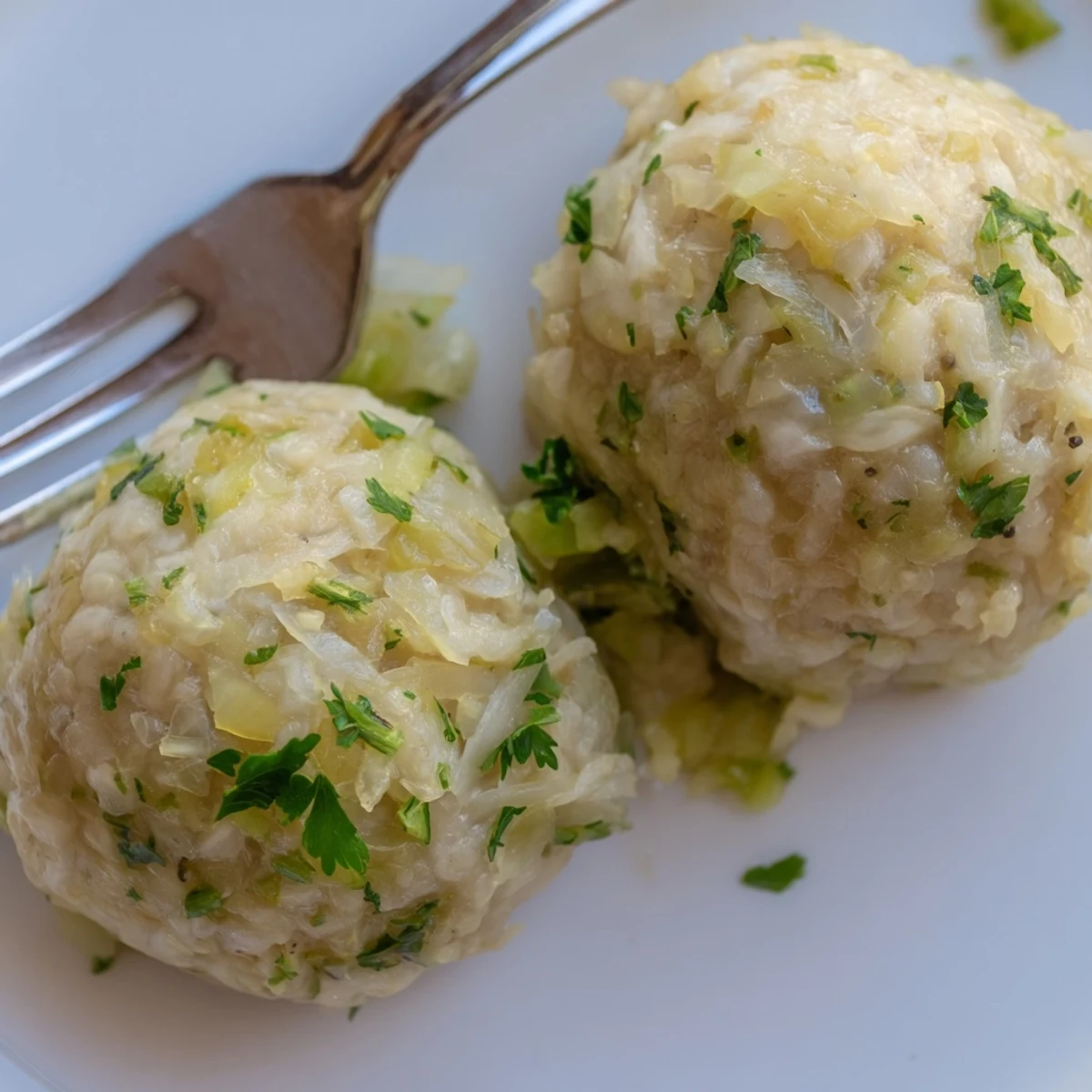
Save These dumplings have become my go-to comfort food, appearing on my table during snowstorms, after difficult days at work, and whenever I need to feed someone something that feels like a hug.
Making Ahead
You can prepare the cabbage mixture and bread soaking step up to a day in advance, keeping them refrigerated separately until you are ready to combine and shape the dumplings.
Serving Suggestions
While delicious on their own, these dumplings shine when served with a creamy mushroom sauce or simply drizzled with melted butter and sprinkled with coarse salt.
Common Questions
Can I freeze leftover dumplings? Yes, they freeze beautifully after cooking and reheat well in simmering water or the microwave. What if my dough feels too wet? Add another tablespoon of flour, but remember the dough should be somewhat sticky. Can I use red cabbage? You can, though it will color the dumplings pink and have a slightly stronger flavor.
- Gluten-free bread and flour work well if you need to accommodate dietary restrictions
- Adding diced bacon to the cabbage during sautéing creates a non-vegetarian version with incredible depth
- Leftover dumplings make excellent breakfast when sliced and pan-fried in butter until crisped
 Save
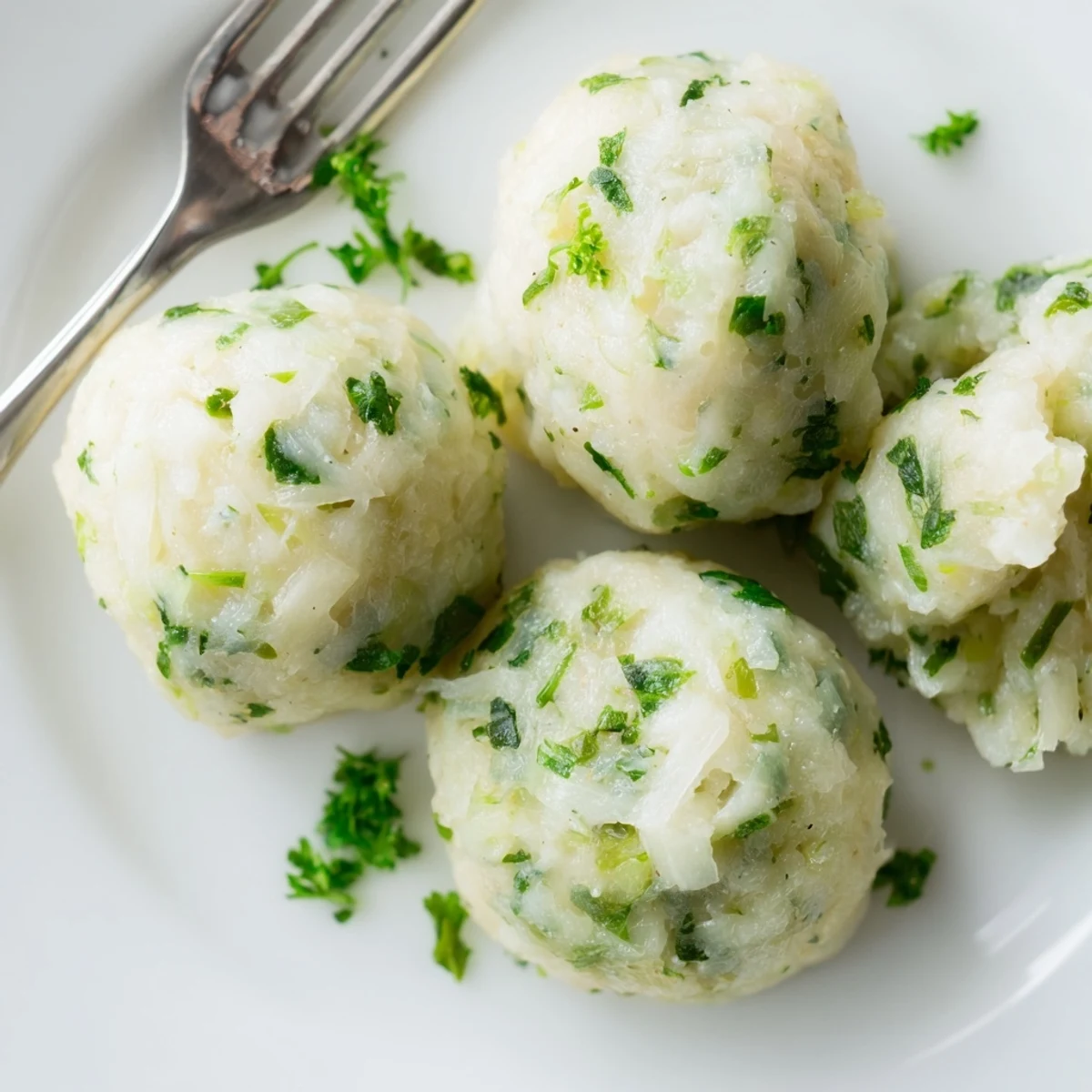
Save There is something profoundly satisfying about transforming the most ordinary vegetables into something extraordinary, and these dumplings do exactly that every single time.
Recipe FAQs
- → What makes these dumplings traditional?
-
These dumplings follow classic German preparation methods using soaked bread as the base, combined with sautéed cabbage and onions. The addition of nutmeg and parsley reflects traditional German seasoning profiles found in comfort dishes.
- → Can I make them ahead of time?
-
Yes, prepare the mixture and shape the dumplings up to 24 hours in advance. Store covered in the refrigerator until ready to simmer. They also reheat well—simply warm gently in broth or steam for a few minutes.
- → What's the best way to serve them?
-
These dumplings pair beautifully with rich gravies, roasted meats, or sauerbraten. For a lighter option, serve with melted butter and fresh herbs. They also complement creamy mushroom sauces or can be enjoyed simply on their own.
- → Why use day-old bread?
-
Day-old bread absorbs milk more effectively without becoming mushy, creating the perfect texture. Fresh bread contains too much moisture and can result in dense, heavy dumplings rather than light and fluffy ones.
- → Can I freeze the dumplings?
-
Yes, freeze uncooked dumplings on a baking sheet until firm, then transfer to a freezer bag. Cook from frozen, adding a few extra minutes to the simmering time. Cooked dumplings can also be frozen for up to two months.
- → How do I know when they're done?
-
The dumplings should feel firm to the touch and float slightly when fully cooked. You can also cut one open to verify the center is no longer doughy. They typically need 18-20 minutes of gentle simmering.