
 Save
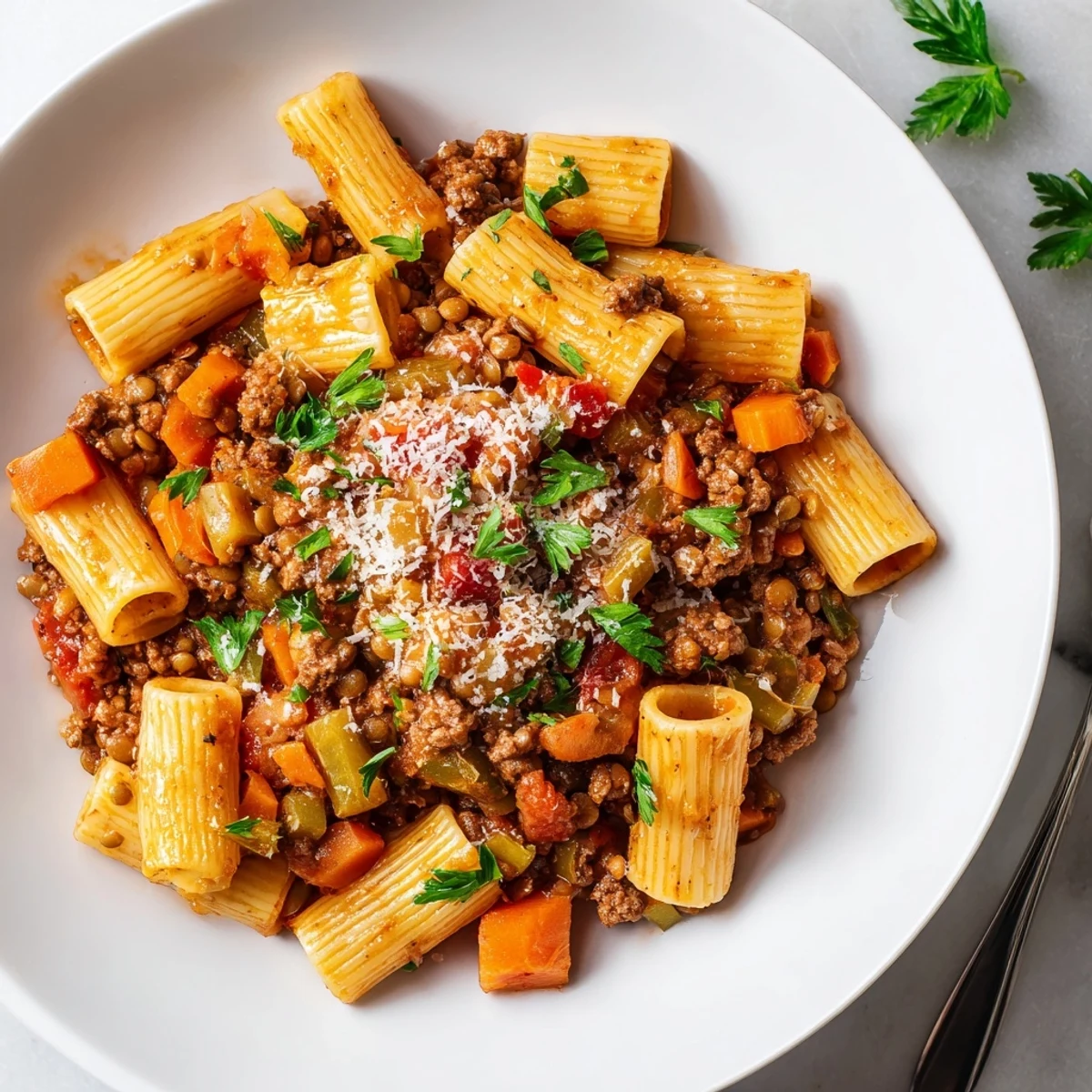
Save This wholesome version of the beloved Italian classic brings together lean ground beef and protein-rich lentils in a thick, vegetable-packed sauce. The combination creates a hearty, satisfying dish that delivers 28 grams of protein per serving while keeping the comfort food appeal intact.
The sauce simmers gently for about 40 minutes, allowing the dried lentils to become tender and the flavors to meld beautifully. You'll find the familiar aromatics of onion, carrot, and celery—the classic soffritto base—along with red bell pepper for extra sweetness and nutrition.
Perfect over whole wheat pasta, zucchini noodles, or rice, this versatile sauce freezes exceptionally well, making it ideal for meal prep. The optional pinch of red pepper flakes adds just enough warmth to complement the robust flavors without overpowering the dish.
The first time I swapped lentils for half the meat in my Bolognese, my Italian roommate raised an eyebrow but still went back for seconds. That was the moment I realized sometimes the most nourishing versions of classic dishes end up winning everyone over anyway. Now this sauce lives in my freezer rotation for those weeks when I want something substantial but don't want to feel weighed down.
Last winter my sister came over after a brutal week at work and I quietly simmered this on the back burner while we caught up. She took three bites, looked up with that genuine surprise people get when comfort food actually nourishes them, and asked for the recipe immediately. That's when I knew this wasn't just healthy, it was genuinely good.
Ingredients
- 400 g (14 oz) lean ground beef: I've learned that going too lean makes the sauce feel less satisfying, but anything over 15% fat defeats the purpose of keeping it lighter
- 200 g (1 cup) dried brown or green lentils, rinsed: Brown lentils hold their shape better than red ones in long simmering sauces, giving you these satisfying little pockets of texture throughout
- 1 large onion, finely chopped: Take the time to chop it really small, almost minced, so it disappears into the sauce rather than leaving identifiable onion chunks
- 2 carrots, diced: These add natural sweetness that balances the acidity of the tomatoes without needing sugar
- 2 celery stalks, diced: Even people who swear they hate celery usually don't mind it here since it melts into the background
- 3 garlic cloves, minced: Fresh garlic makes such a difference compared to jarred, especially when it has time to mellow out in the sauce
- 1 red bell pepper, diced: This is my secret addition that adds depth and a slight sweetness most people can't quite identify
- 400 g (14 oz) canned diced tomatoes: I always keep a few extra cans in my pantry because this recipe has saved me on so many busy weeknights
- 2 tbsp tomato paste: Don't skip this, it concentrates the tomato flavor and gives the sauce that restaurant quality richness
- 750 ml (3 cups) low-sodium beef or vegetable broth: Low sodium is crucial here since the sauce reduces and concentrates
- 2 tbsp olive oil: This is where you build your flavor foundation, so use something decent quality
- 1 tsp dried oregano: I rub the dried herbs between my palms before adding them to wake up their oils
- 1 tsp dried basil: Even in winter, this brings that essential Italian herb profile to the sauce
- 1 bay leaf: Remove it before serving, but let it work its magic during the simmer
- ½ tsp crushed red pepper flakes: Just enough warmth to make things interesting without overwhelming the dish
- Salt and pepper, to taste: Season at the end since the sauce reduces and salt intensifies
- Fresh basil or parsley, chopped: The bright fresh herbs at the end make everything pop
- Grated Parmesan cheese: A little goes a long way and adds that savory umami finish
Instructions
- Build your flavor foundation:
- Heat olive oil in a large pot over medium heat. Add onion, carrots, celery, and red bell pepper. Sauté for 6 to 8 minutes until softened and fragrant, the vegetables should be translucent but not browned.
- Wake up the garlic:
- Add garlic and cook for 1 minute until fragrant. Watch it closely because garlic can go from perfect to burned in seconds.
- Brown the beef:
- Add ground beef. Cook, breaking it up with a spoon, until browned and no longer pink. Take your time here to develop some nice brown bits on the bottom of the pan.
- Bloom the spices:
- Stir in tomato paste, oregano, basil, bay leaf, and red pepper flakes. Cook for 2 minutes. The tomato paste should darken slightly and smell rich and caramelized.
- Add everything else:
- Add lentils, diced tomatoes with juice, and broth. Stir well, scraping up any browned bits from the bottom. This is where all that flavor you built gets incorporated into the sauce.
- Season and serve:
- Season with salt and pepper to taste. Remove bay leaf. Serve hot over whole wheat pasta, zucchini noodles, or rice.
 Save
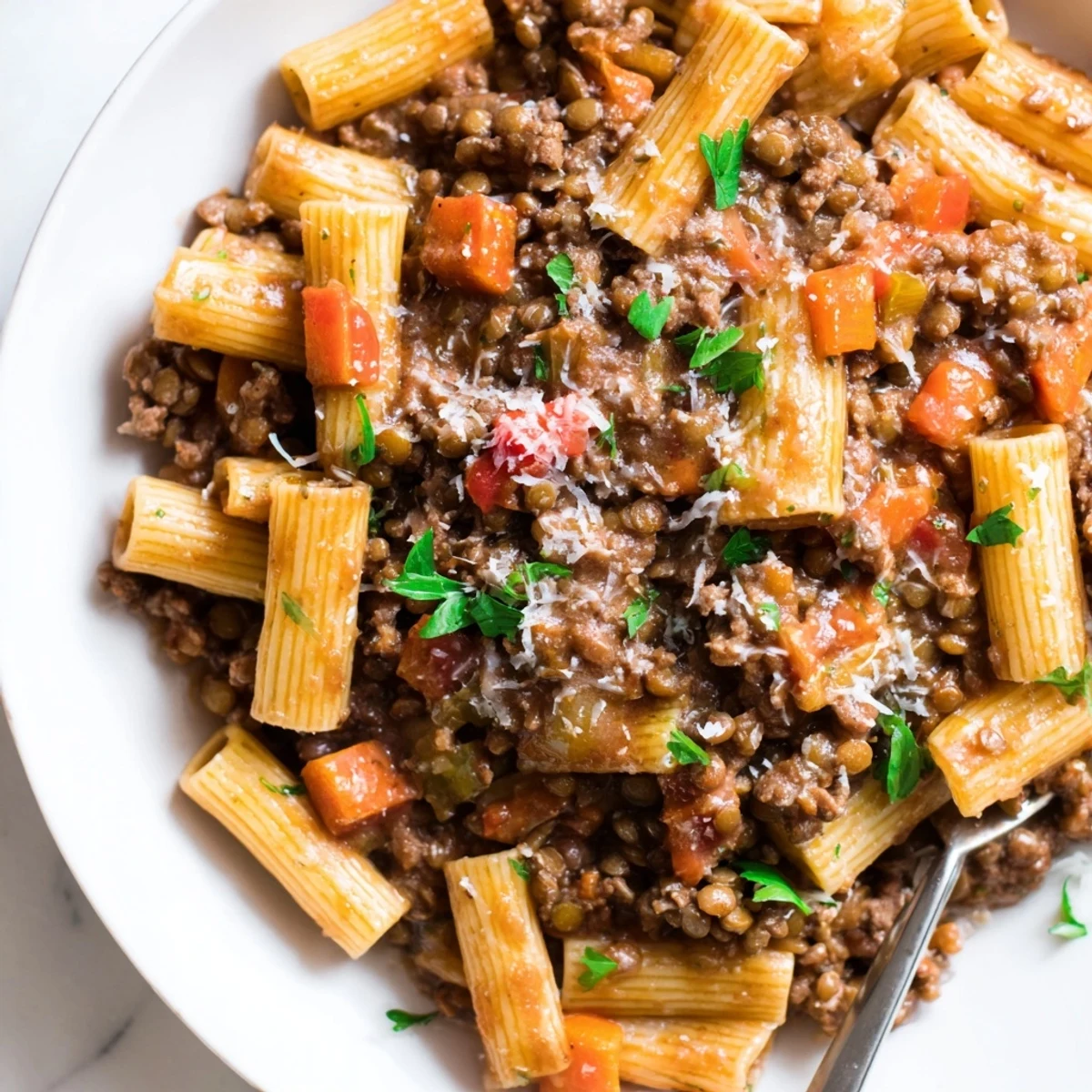
Save My dad, who grew up eating traditional Bolognese every Sunday, now requests this version whenever he visits. That's probably the highest compliment this recipe could ever receive, coming from someone who was initially skeptical of lentils in his pasta sauce.
Make It Your Own
Sometimes I'll add a splash of red wine with the beef if I have an open bottle, which deepens the flavor beautifully. You could also throw in a handful of spinach or chopped kale during the last 5 minutes for extra nutrition, and it wilts right into the sauce without anyone really noticing.
Freezing And Meal Prep
This sauce freezes exceptionally well, so I always make a double batch and portion it into freezer safe containers. Thaw overnight in the fridge and reheat gently with a splash of water or broth to loosen it up. It's saved me on countless busy weeknights when the thought of cooking from scratch feels impossible.
Serving Suggestions
While whole wheat pasta is the obvious choice, I've also served this over spiralized zucchini noodles for a lighter summer version that still feels satisfying. A simple green salad with a bright vinaigrette cuts through the richness perfectly, and don't forget crusty bread for mopping up every last bit of sauce.
- A light Italian red wine like Chianti complements without overwhelming
- Grated Parmesan on top makes everything feel more special
- Fresh basil leaves added right before serving keep their vibrant color
 Save
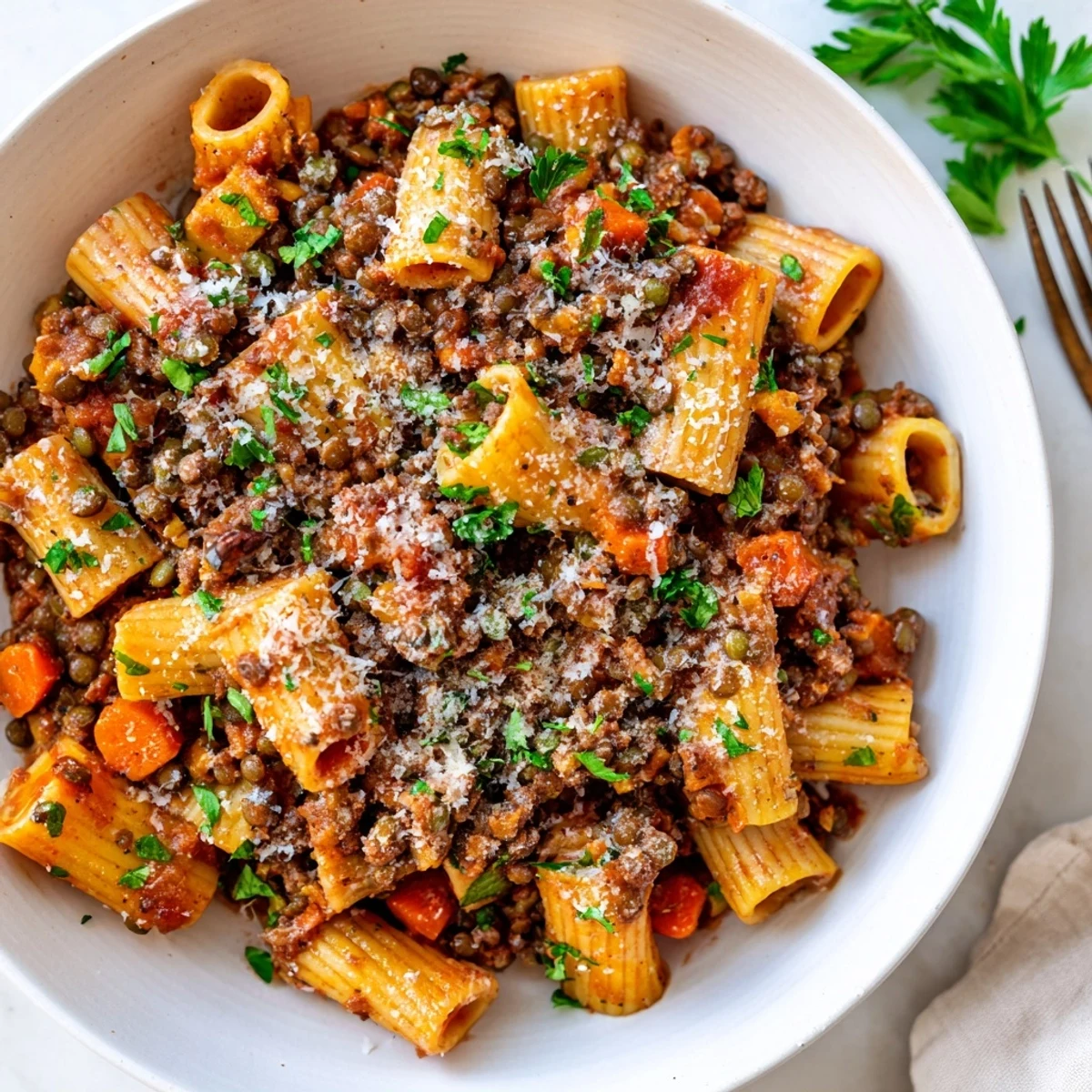
Save There's something deeply satisfying about serving a dish that feels indulgent but is actually good for you. This Bolognese has become my go to for feeding people I care about, which is really what cooking is all about.
Recipe FAQs
- → Can I use canned lentils instead of dried?
-
Yes, you can substitute canned lentils. Rinse and drain them, then add during the last 15 minutes of simmering just to heat through and blend flavors. Reduce the broth slightly since canned lentils won't absorb liquid like dried ones.
- → Is this suitable for freezing?
-
This sauce freezes beautifully for up to 3 months. Cool completely before transferring to airtight containers or freezer bags. Thaw overnight in the refrigerator and reheat gently on the stovetet, adding a splash of water or broth if needed.
- → What pasta works best with this sauce?
-
The thick, hearty texture pairs well with pasta shapes that catch the sauce, such as rigatoni, penne, or fusilli. For a lighter option, try it over spaghetti or fettuccine. Whole wheat varieties add extra fiber and nutrients to match the wholesome profile.
- → Can I make this vegetarian?
-
Absolutely. Simply omit the ground beef and increase the lentils to 1.5 cups, or use plant-based mince for a meaty texture. You might want to add a splash of balsamic vinegar or soy sauce to deepen the umami flavors typically provided by the beef.
- → How do I know when the lentils are done?
-
Taste a few lentils after the recommended simmering time. They should be tender but still hold their shape, not mushy. If they need more time, add a small amount of liquid and continue cooking, checking every 5 minutes until they reach the desired texture.
- → Can I add other vegetables?
-
Feel free to customize with additional vegetables. Chopped zucchini, spinach, or mushrooms can be added along with the tomatoes. Finely chopped eggplant works well too—just add it early so it has time to soften and meld into the sauce.