
 Save
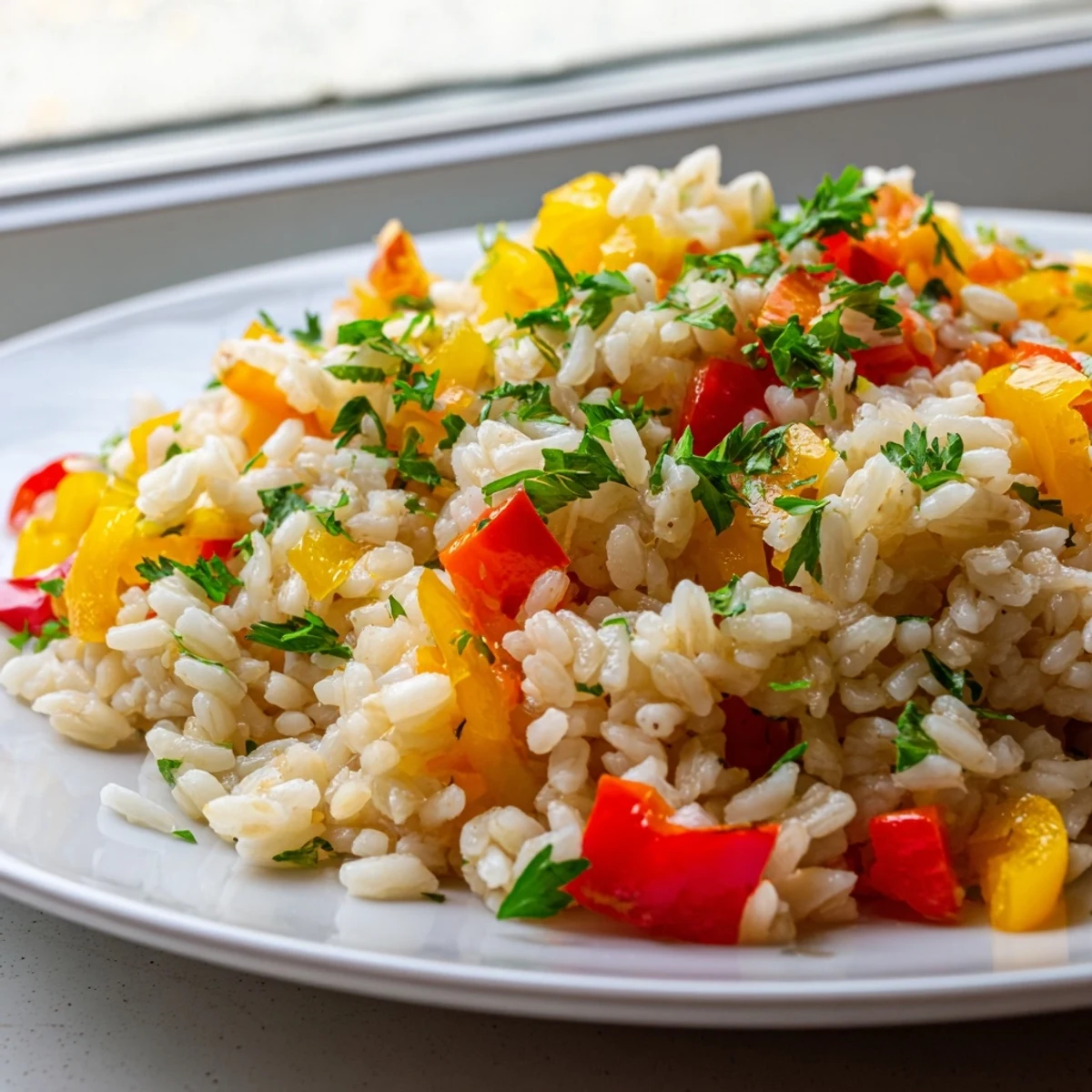
Save This dish features long-grain rice gently cooked with sautéed onions, garlic, and a mix of vibrant bell peppers, creating a fragrant and colorful side. Simmered in vegetable broth with subtle herbs like thyme and bay leaf, it offers a balanced flavor with a tender texture. Garnished with fresh parsley or cilantro, it complements a variety of meals, bringing both aroma and visual appeal. Easy and quick to prepare, it suits vegetarian and gluten-free diets.
The first time I made rice pilaf properly, I stood over the pot watching the steam rise through the glass lid, absolutely mesmerized. I had been making plain boiled rice for years, but something about toasting the grains in olive oil first, watching them turn translucent and opaque in turns, felt like unlocking a secret kitchen door. My roommate walked in and asked what smelled so incredible, and I realized it was just onions and garlic hitting hot oil. That night we ate the whole batch straight from the pot with wooden spoons.
Last summer I served this at a dinner party where my friend announced she hated rice dishes. She took a tiny polite portion, then went back for seconds, then thirds. By the end of the night she was asking for the recipe and texting me photos of her own attempts. Something about the combination of fragrant thyme, sweet peppers, and that perfect pilaf texture converts even the skeptics.
Ingredients
- 1 cup long-grain white rice: Basmati or Jasmine work beautifully here because the grains stay distinct and separate after cooking
- 1 medium yellow onion, finely chopped: This foundation adds natural sweetness and depth, so do not rush the sauté step
- 1 red bell pepper, diced: Brings gorgeous color and a mild sweetness that balances the savory elements perfectly
- 1 yellow bell pepper, diced: Using two colors makes the dish visually stunning and adds slightly different flavor notes
- 2 cloves garlic, minced: Fresh garlic is essential here, add it only after the peppers have softened so it does not burn
- 2 cups low-sodium vegetable broth: This is where the rice absorbs all its flavor, so choose a broth you actually enjoy drinking
- 1 tablespoon olive oil: Just enough to coat the rice grains and help them toast to that perfect golden shade
- 1 teaspoon salt: Start here and adjust at the end, as different broths have varying sodium levels
- 1/4 teaspoon ground black pepper: Freshly cracked makes a noticeable difference in the final depth of flavor
- 1/2 teaspoon dried thyme: Optional but highly recommended, it adds that Mediterranean fragrance that makes this dish special
- 1 bay leaf: A classic aromatic that quietly works its magic in the background
- 2 tablespoons chopped fresh parsley or cilantro: The finishing touch that adds brightness and makes everything look restaurant worthy
Instructions
- Rinse the rice:
- Place the rice in a fine mesh strainer and run cold water over it until the water runs completely clear, this removes excess starch for perfectly separate grains
- Sauté the aromatics:
- Heat the olive oil in a medium saucepan over medium heat, add the chopped onion and cook for 2 to 3 minutes until it turns translucent and fragrant
- Add the peppers:
- Stir in the diced bell peppers and continue cooking for another 3 to 4 minutes until they are just tender but still have a bit of crunch
- Add the garlic:
- Toss in the minced garlic and sauté for just 30 seconds until you can smell it, being careful not to let it brown or it will turn bitter
- Toast the rice:
- Add the rinsed rice to the pot and stir constantly for 1 to 2 minutes, coating every grain with oil and watching them turn slightly opaque at the edges
- Add the liquid and seasonings:
- Pour in the vegetable broth, then add the salt, pepper, thyme, and bay leaf, giving everything a thorough stir to combine
- Simmer:
- Bring the mixture to a gentle boil, then cover with a tight fitting lid, reduce heat to low, and let it simmer undisturbed for 15 to 18 minutes
- Rest and fluff:
- Remove from heat and let it stand covered for 5 minutes, then discard the bay leaf and gently fluff with a fork before serving
 Save
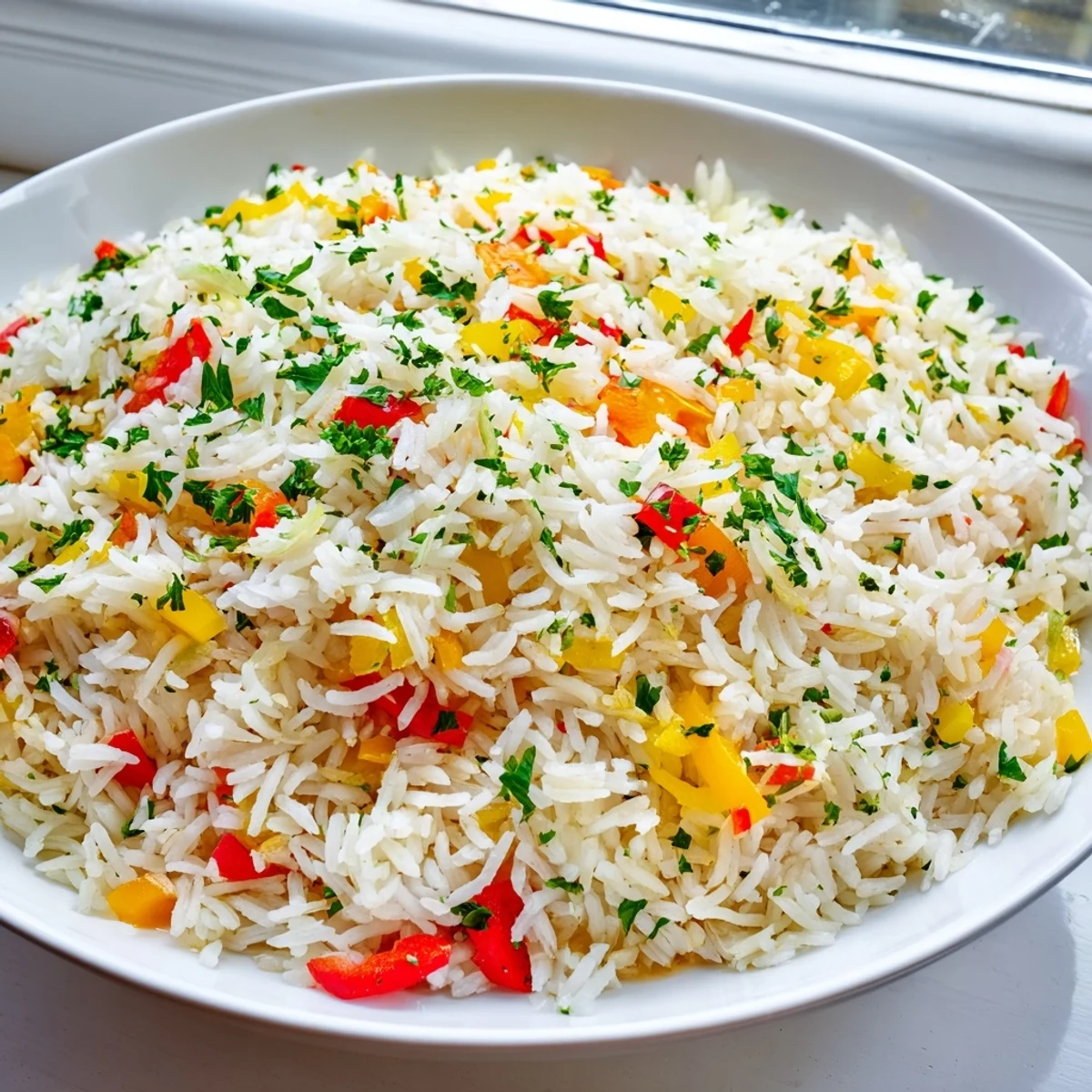
Save This pilaf became my go to dish during those busy weeknight dinners when my kids were younger and I needed something that felt special but came together fast. The colorful peppers always made them more excited about eating vegetables, and the fragrant steam filling the kitchen turned a regular Tuesday into something that felt like a proper family dinner.
Making It Your Own
Once you have the basic technique down, this recipe becomes a canvas for whatever you have in the crisper drawer. Sometimes I add a handful of frozen peas in the last few minutes of cooking, or toss in some corn for extra sweetness. The method stays the same and you end up with a completely different dish that still feels familiar and comforting.
Perfect Pairings
This pilaf is one of those rare side dishes that works with practically everything. It is light enough to serve alongside fish or grilled chicken, but substantial enough to stand alone as a vegetarian main with a simple green salad. I have even served it at brunch topped with a fried egg, and it becomes something entirely new and wonderful.
Batch Cooking And Storage
Double this recipe and you will have the base for meals all week long. The rice keeps beautifully in the refrigerator for up to four days, actually developing more flavor as the spices continue to meld. You can also freeze it in portion sized containers for those nights when cooking anything from scratch feels impossible.
- Refrigerate in an airtight container and reheat with a splash of water to restore fluffiness
- For the best texture, reheat gently in the microwave rather than on the stovetop
- If freezing, slightly undercook the rice since it will finish cooking when you reheat it later
 Save
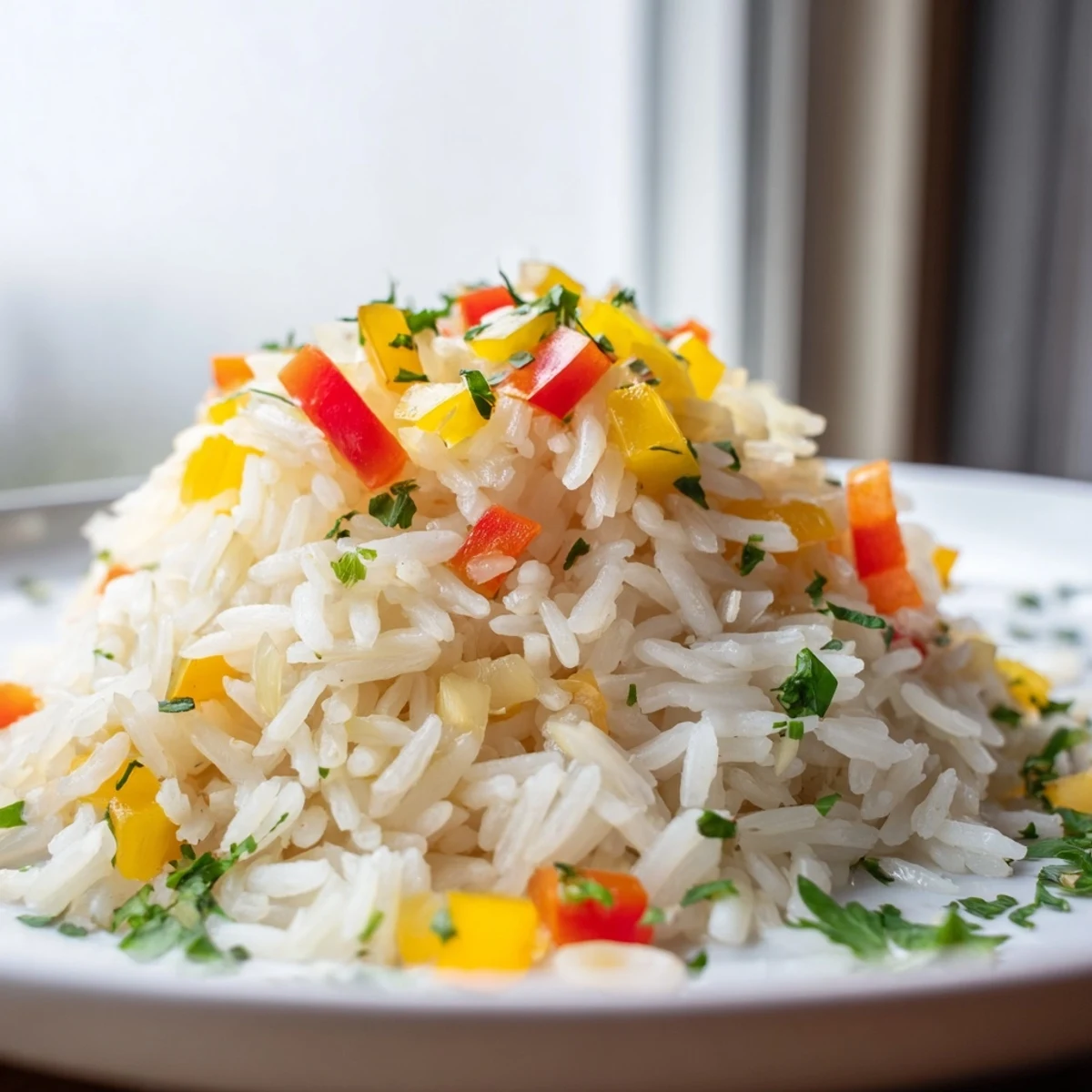
Save There is something deeply satisfying about a simple rice dish done right. This pilaf has become my answer to everything from last minute dinners to feeding a crowd, and it never fails to make the table feel like a place worth gathering around.
Recipe FAQs
- → What type of rice works best for this dish?
-
Long-grain varieties like Basmati or Jasmine are ideal for their fluffiness and fragrance, enhancing the overall flavor and texture.
- → Can I use different vegetables instead of bell peppers?
-
Yes, adding colorful vegetables like peas or corn can boost sweetness and color while maintaining the dish's character.
- → How do I avoid soggy rice when cooking?
-
Rinse the rice thoroughly before cooking and follow the simmering time closely to ensure the grains remain separate and tender.
- → Is it necessary to use vegetable broth?
-
While vegetable broth adds depth, water can be substituted; however, broth enhances the dish's savory notes significantly.
- → What herbs enhance the flavor without overpowering?
-
Light use of dried thyme and a bay leaf provides subtle aromatic background that complements the sweetness of the peppers and onions.
- → How should this dish be served for best taste?
-
Serve warm as a side or a light main, garnished with fresh herbs like parsley or cilantro to add freshness and color.