
 Save
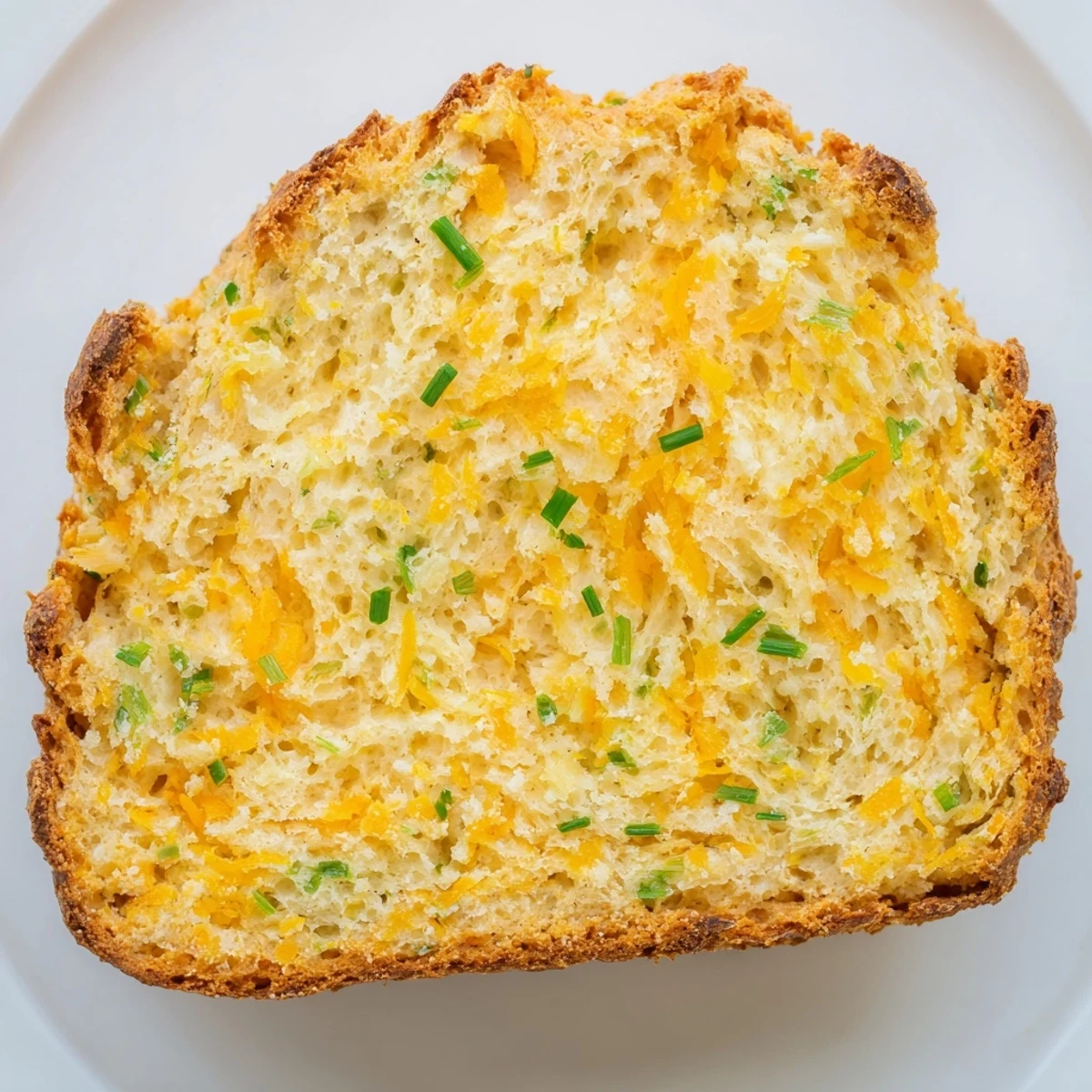
Save This savory Irish bread combines sharp cheddar cheese and fresh chives for a flavorful, hearty loaf. The quick soda bread method creates a tender crumb with a golden, cheesy crust. Mixing simple dry ingredients with creamy buttermilk and melted butter results in a rustic, moist texture. Baked until deep golden and hollow sounding, it’s best served warm with butter or alongside soups and stews for a satisfying addition to any meal.
The smell of sharp cheddar hitting a hot pan will always remind me of my first apartment kitchen, where I learned that bread didnt require hours of rising or special skills. This soda bread became my weeknight savior during a particularly brutal winter when I wanted something warm and comforting without the wait. Theres something almost magical about mixing wet and dry ingredients and having real bread less than an hour later.
I made this loaf during a snowed-in weekend with my sister, and we stood in front of the oven watching it rise through the glass door. The way the cheese melts into little pockets throughout the bread creates these amazing savory bursts that had us going back for slice after slice. Now its the first thing I make when friends come over for soup, because nothing beats warm cheese bread fresh from the oven.
Ingredients
- All-purpose flour: This creates the structure for your bread. Measure by weight if you can for consistent results, but the spoon and level method works fine too
- Baking soda: This is your leavening agent. Make sure its fresh, otherwise your bread wont rise properly
- Fine sea salt: Enhances all the flavors. Coarse salt wont distribute evenly, so stick with fine grind here
- Freshly ground black pepper: Adds a subtle warmth that cuts through the richness of the cheese
- Sharp cheddar cheese: The sharpness matters here. Mild cheese gets lost, and pre-shredded cheese has anti-caking agents that affect texture
- Fresh chives: Their mild onion flavor pairs perfectly with cheddar. Dont substitute dried chives, they lack that fresh brightness
- Buttermilk: The acidity activates the baking soda and creates a tender crumb. If you dont have buttermilk, add a tablespoon of vinegar to regular milk and let it sit for five minutes
- Unsalted butter, melted: Adds richness and helps create a golden crust. Let it cool slightly so it doesnt cook the buttermilk when you mix them
Instructions
- Preheat and prepare:
- Get your oven to 400°F and line a baking sheet with parchment paper. Do this first, because once you mix the dough, you want to get it into the oven quickly
- Mix the dry ingredients:
- Whisk together the flour, baking soda, salt, and pepper in a large bowl. Make sure theyre thoroughly combined so you dont end up with pockets of baking soda in your finished loaf
- Add the cheese and herbs:
- Stir in the grated cheddar and chopped chives until everything is evenly distributed. Tossing the cheese in a little flour first helps prevent it from all sinking to the bottom
- Combine wet and dry:
- Make a well in the center of your dry ingredients and pour in the buttermilk and melted butter. Mix with a wooden spoon or your hands until you have a shaggy dough that holds together when you squeeze it
- Shape the loaf:
- Turn the dough onto a lightly floured surface and gently bring it together. The key word here is gently. Overworking makes tough bread. Shape it into a round about seven inches across
- Score and bake:
- Transfer to your prepared baking sheet and cut a deep X across the top with a sharp knife. This helps the bread expand properly as it bakes. Put it in the oven immediately
- Bake to golden perfection:
- Bake for 30 to 35 minutes until the crust is deeply golden and the loaf sounds hollow when you tap the bottom. The hollow sound means its cooked through
- Cool before slicing:
- Let the bread rest on a wire rack for at least fifteen minutes. Cutting into it too soon will release steam and make the interior gummy
 Save
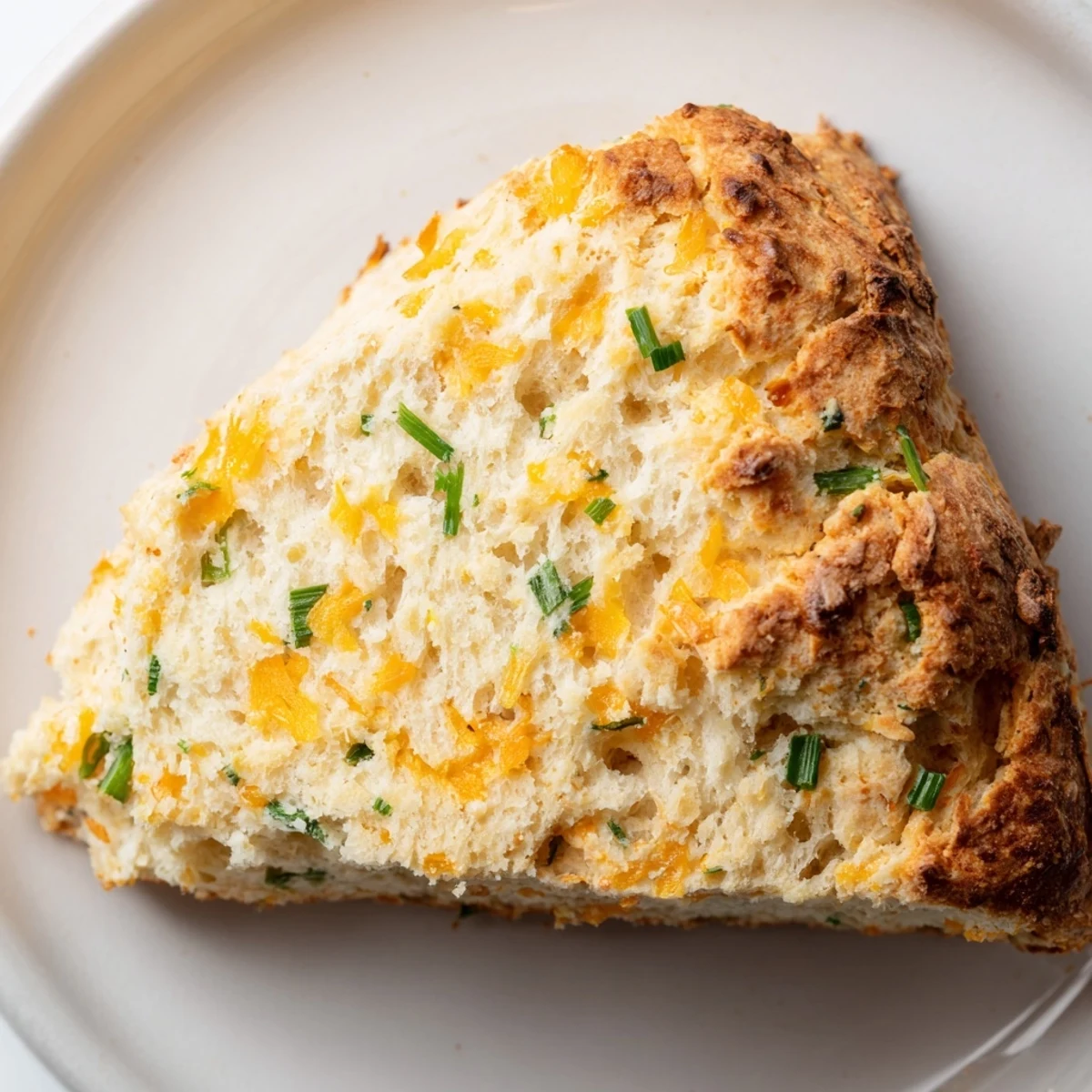
Save This bread has saved countless impromptu dinner parties and turned ordinary weeknight soups into something special. Theres something deeply satisfying about pulling a golden, cheesy loaf from the oven that you made from scratch in under an hour. It became such a staple in my house that I keep blocks of cheddar and containers of buttermilk just so Im always ready to make it.
Getting The Best Crust
A hot oven is nonnegotiable for that crispy golden exterior. If your oven runs cool, consider using an oven thermometer to verify the temperature. You can also brush the top with a little extra buttermilk or cream before baking for an even richer crust color.
Cheese Selection Matters
Ive learned that block cheese you grate yourself melts and distributes much better than pre shredded varieties. Those anti caking agents in bagged cheese can create a slightly grainy texture. Take the extra two minutes to grate your own, the difference is worth it.
Storage And Reheating
This bread is best enjoyed the day its made, but leftovers reheat beautifully wrapped in foil at 350°F for about ten minutes. You can also freeze cooled slices in freezer bags and reheat them straight from frozen for quick weekday breakfasts.
- Store cooled bread in a paper bag at room temperature, not plastic which makes the crust soggy
- If the bread has sat for more than a day, toasting slices brings back some of that fresh baked texture
- Leftover slices make incredible grilled cheese sandwiches or savory bread pudding
 Save
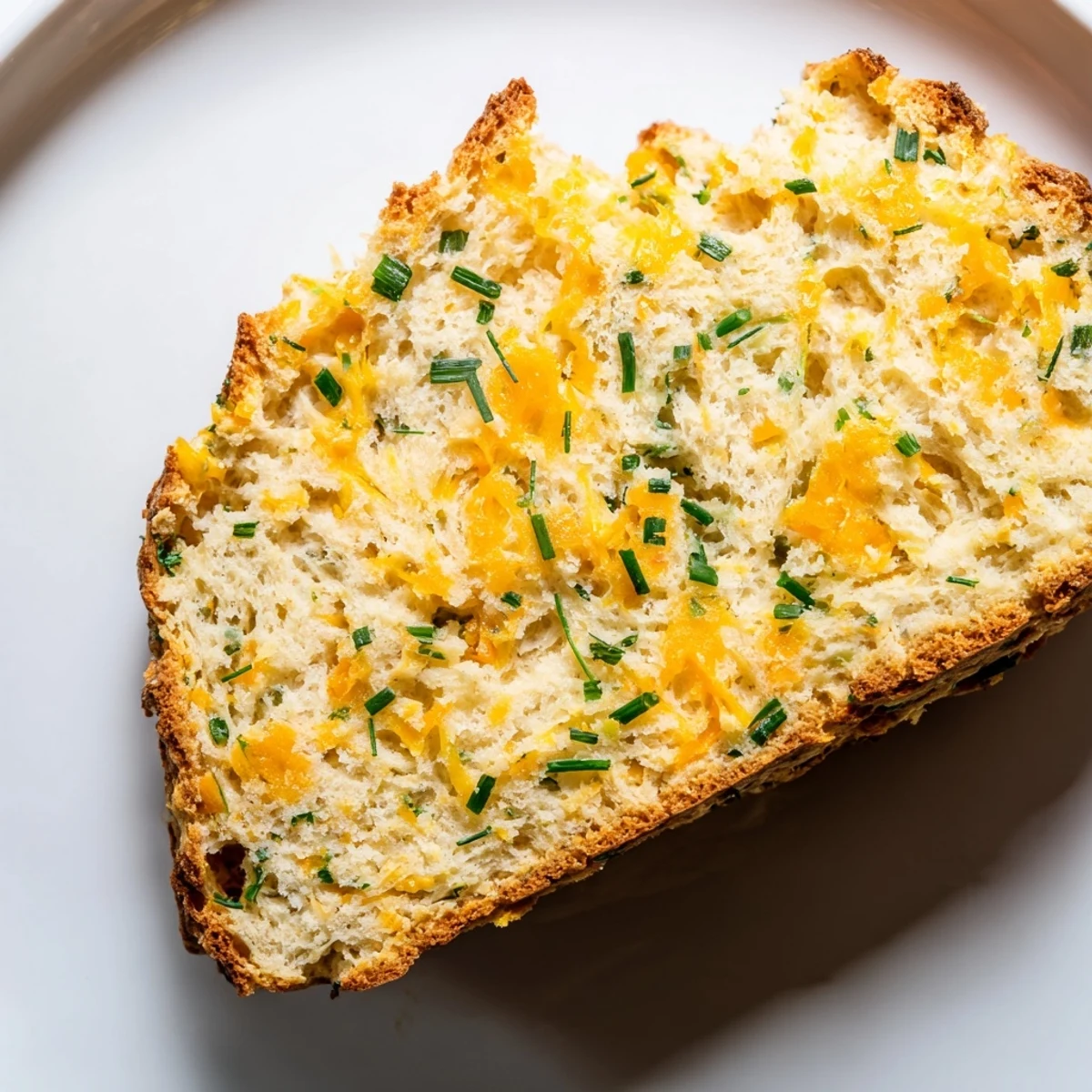
Save Theres nothing quite like tearing into a warm slice of this bread, watching the butter melt into those little pockets of cheddar. Its humble, hearty food that somehow manages to feel special every single time.
Recipe FAQs
- → What makes this bread different from traditional Irish soda bread?
-
The addition of sharp cheddar and fresh chives adds a savory twist, enriching the flavor and creating a cheesy crust.
- → How should I know when the bread is done baking?
-
The loaf should turn a deep golden color and sound hollow when tapped on the bottom, indicating it's fully baked.
- → Can I substitute green onions for chives?
-
Yes, green onions can be used as an alternative for a slightly different but still fresh and aromatic flavor.
- → What texture should the dough have before baking?
-
The dough should be shaggy and slightly sticky but manageable after gentle kneading, ensuring a tender crumb.
- → Are there any suggested flavor variations for this bread?
-
Adding crushed dried thyme or a pinch of cayenne pepper to the dry ingredients can enhance the flavor with herbaceous or spicy notes.