
 Save
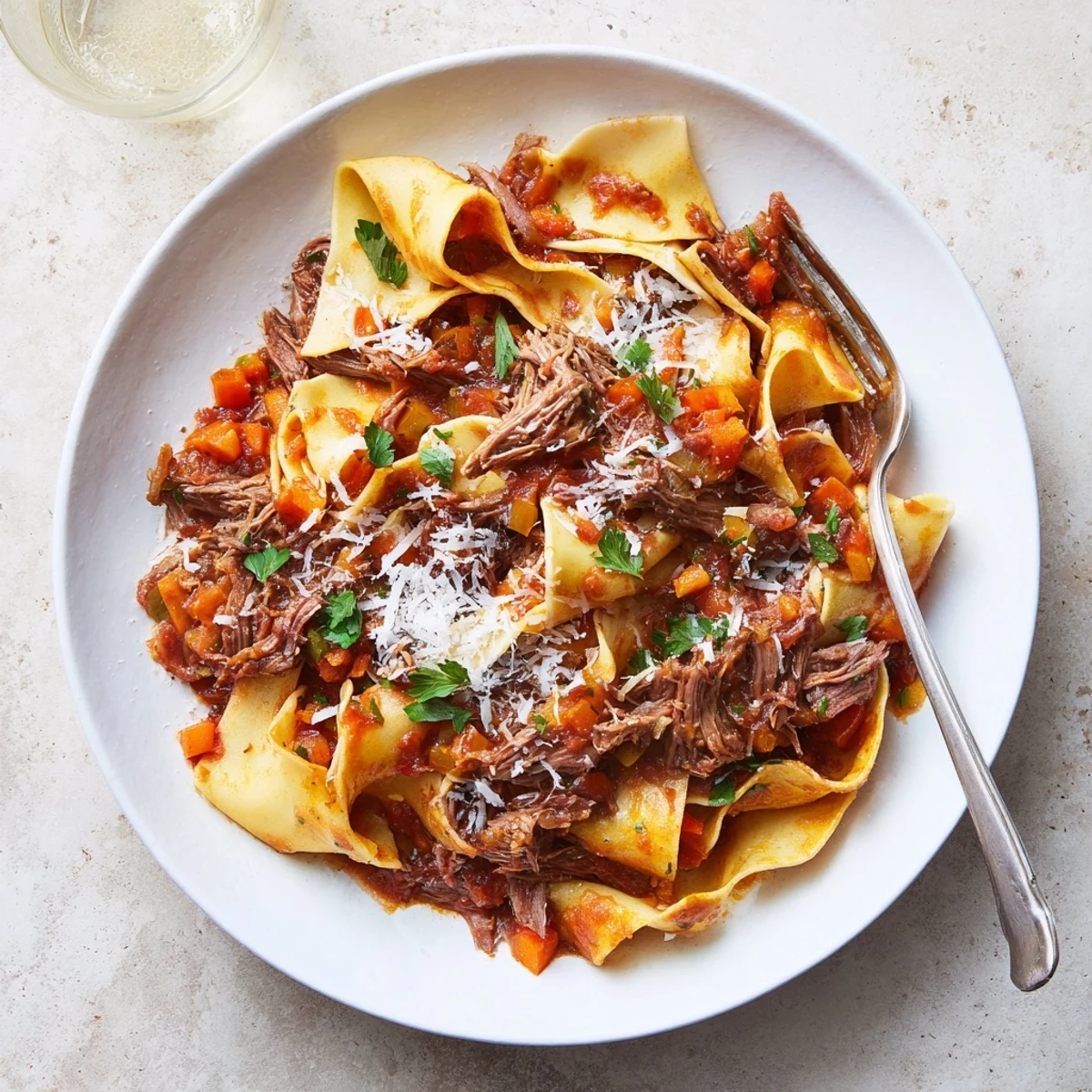
Save This Italian-inspired dish transforms tough lamb shoulder into meltingly tender meat through slow braising. The ragu develops deep flavors from red wine, tomatoes, and aromatic vegetables, while herbs like rosemary and thyme add earthy notes. After hours of gentle simmering, the lamb shreds easily into the thickened sauce. The wide ribbons of pappardelle pasta perfectly capture the rich meat sauce, creating a satisfying main dish that improves with time. Make it ahead for even better flavor.
My tiny apartment kitchen smelled like an Italian grandmother had moved in for the weekend. I attempted this ragu on a gray Sunday when the only plan was letting time do all the work. Three hours later, my roommate wandered in from her room, asking what magic I had conjured on the stove.
I served this for my father's birthday dinner, watched him take that first skeptical bite, then saw his eyes close in that way only happens when food exceeds expectation. The conversation dwindled as forks kept moving and pasta vanished.
Ingredients
- 2 lbs boneless lamb shoulder: Shoulder has the perfect fat content for slow braising, becoming fork tender while adding incredible depth to the sauce
- 1 tsp salt and ½ tsp black pepper: Season the lamb generously before searing, this builds layers of flavor from the very start
- 2 tbsp olive oil: Use a neutral oil with decent heat tolerance for the initial sear
- 1 large onion, 2 carrots, 2 celery stalks: Classic soffritto base that provides the sweet aromatic foundation
- 4 garlic cloves, minced: Add after the vegetables soften to prevent burning
- Fresh rosemary, thyme, and bay leaf: These woody herbs hold up beautifully to long cooking times
- 1 cup dry red wine: Pinot Noir or Chianti work wonderfully here, avoid anything too oaky
- 28 oz crushed tomatoes: Whole tomatoes crushed by hand give a more rustic texture
- 1 cup beef or chicken broth: Low sodium is crucial, you want control over the seasoning
- 1 lb pappardelle pasta: The wide ribbons catch and hold the rich sauce
- Freshly grated Parmigiano-Reggiano: The real stuff makes all the difference, buy a wedge and grate it yourself
Instructions
- Season and prep the lamb:
- Pat the pieces completely dry with paper towels, then season generously with salt and pepper on all sides
- Build the foundation:
- Heat olive oil in your Dutch oven over medium high heat, brown lamb in batches without crowding the pot
- Create the aromatic base:
- Remove browned lamb to a plate, add onion, carrots, and celery to the pot, cook 6 to 8 minutes until softened
- Layer in the aromatics:
- Stir in the garlic and cook just 1 minute until fragrant, return lamb along with any accumulated juices
- Deglaze and simmer:
- Add herbs, pour in wine while scraping up browned bits from bottom, simmer 2 to 3 minutes
- Begin the long cook:
- Add tomatoes and broth, bring to gentle simmer, reduce heat to low, cover and cook 2½ to 3 hours
- Finish the sauce:
- Remove herb sprigs, shred lamb into sauce with two forks, adjust seasoning as needed
- Cook the pasta:
- Drop pappardelle into heavily salted boiling water 20 minutes before ragu finishes, cook until al dente
- Bring it together:
- Toss pasta with ragu, adding pasta water as needed, serve immediately with Parmesan and parsley
 Save
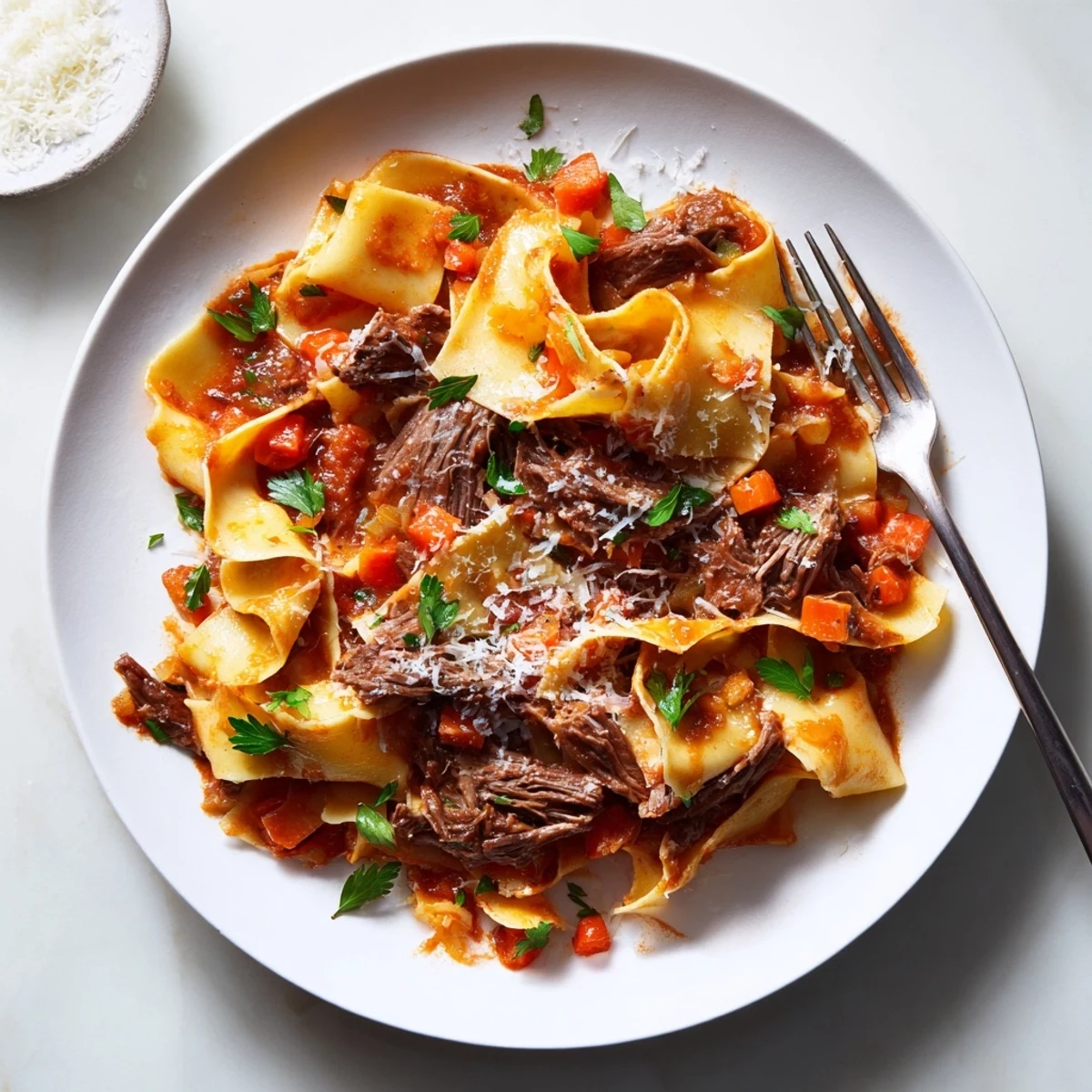
Save My best friend called me at 2pm on a Tuesday, heartbroken and needing comfort. I put a fresh pot of ragu on the stove, told her to come over, and we ate standing in the kitchen while she talked and I listened.
The Pasta Water Secret
Always reserve a mug of starchy pasta water before draining. That cloudy liquid is liquid gold, the magic that brings sauce and pasta together into something cohesive and silky.
Making It Ahead
This ragu rewards patience. Make it a day ahead, let those flavors meld overnight in the refrigerator, then gently reheat while the pasta water comes to a boil.
Wine Pairing Wisdom
The same wine you cook with should be in your glass. Chianti Classico has the acidity to cut through the rich lamb while complementing the tomatoes. Or opt for Barbera if you prefer something softer and more fruit forward.
- Let your wine breathe while the ragu finishes
- Room temperature red wine shows better character
- Never cook with wine you would not drink on its own
 Save
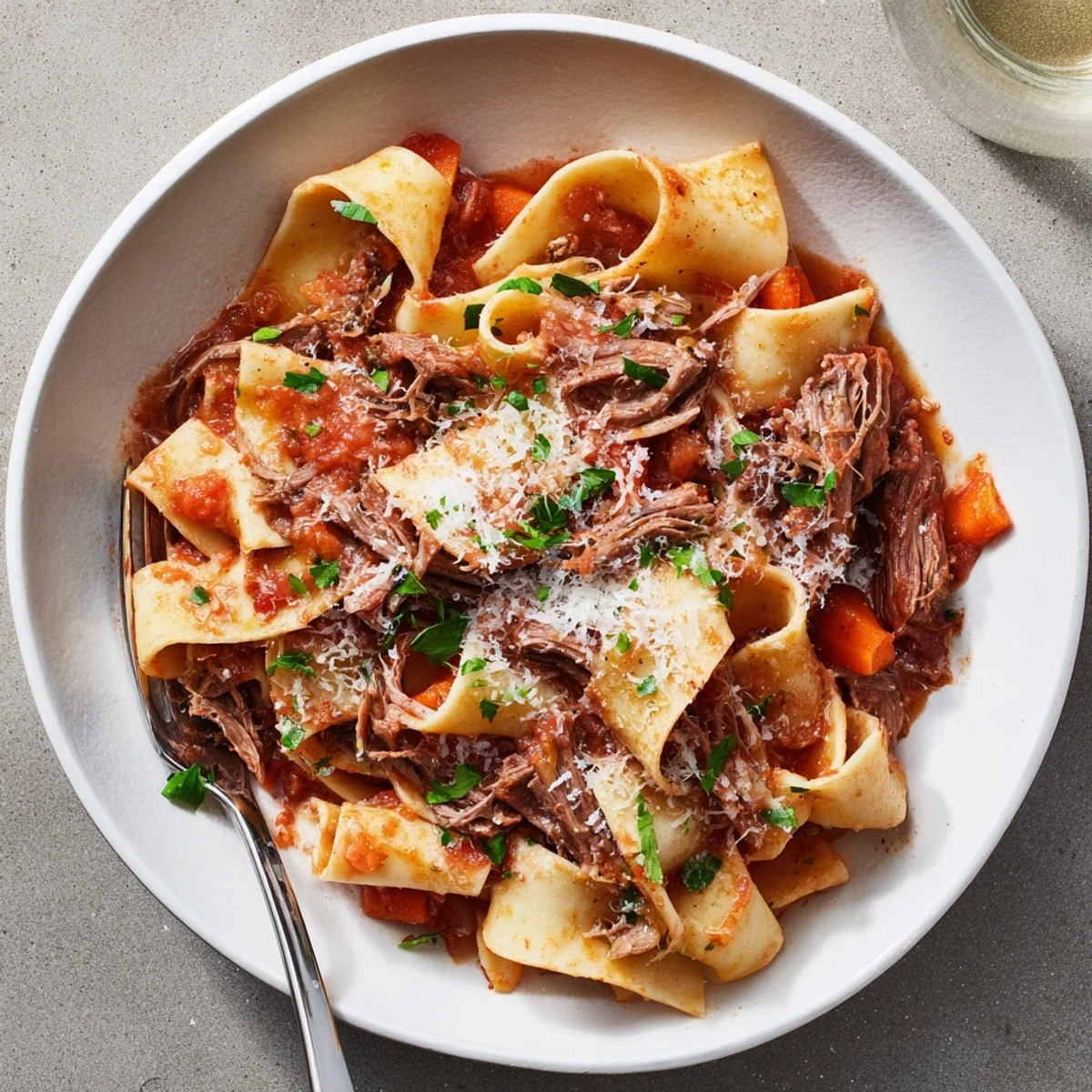
Save Some dishes are just meals. This one is an occasion, a reason to slow down and remember that good food takes time, and some things cannot be rushed.
Recipe FAQs
- → What cut of lamb works best?
-
Lamb shoulder is ideal because it becomes tender and flavorful during long braising. The connective tissue breaks down, creating a rich, succulent texture.
- → Can I make this ahead?
-
Yes, the ragu actually improves when made 1-2 days ahead. The flavors deepen and the sauce thickens. Reheat gently before tossing with freshly cooked pasta.
- → What wine should I use?
-
A dry Italian red like Chianti, Barbera, or Sangiovese works beautifully. Avoid cooking wines and choose something you'd enjoy drinking.
- → Can I substitute the pasta?
-
Tagliatelle, fettuccine, or wide egg noodles work well. The key is choosing pasta wide enough to hold the hearty meat sauce.
- → How do I know when the lamb is done?
-
The lamb is ready when it shreds easily with two forks and the sauce has thickened, usually after 2½ to 3 hours of gentle simmering.
- → Can I freeze leftovers?
-
The ragu freezes beautifully for up to 3 months. Cool completely before freezing. Thaw overnight in the refrigerator and reheat gently.