
 Save
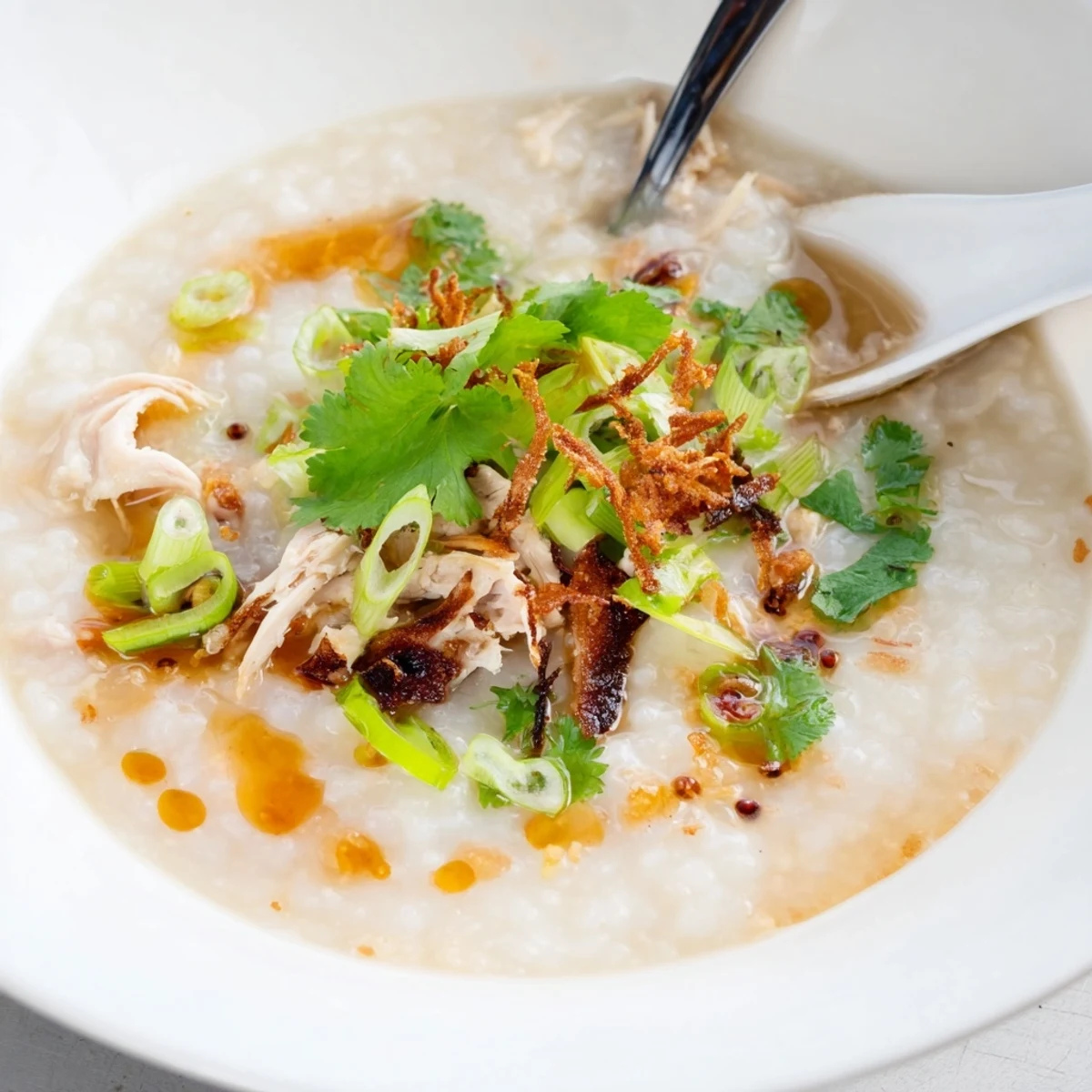
Save This traditional Chinese rice porridge transforms simple ingredients into something extraordinarily comforting. Long-grain rice simmers slowly in chicken stock until the grains break down into a creamy, velvety consistency. Tender chicken infuses the porridge with savory depth, while fresh ginger and smashed garlic add gentle warmth and aromatic complexity.
The beauty of this dish lies in its versatility—enjoy it as a nourishing breakfast, a light lunch, or a soothing dinner when you need something warming and gentle on the stomach. Customizable garnishes like crisp scallions, drizzled soy sauce, and toasted sesame oil allow everyone to personalize their bowl to taste.
The first time I had congee was during a miserable cold that had me curled up on my roommate's couch. She stirred this massive pot of something that smelled like comfort itself, and I couldn't believe how something so simple could make me feel cared for. Now whenever anyone in my house mentions feeling under the weather, I immediately reach for the rice cooker.
My grandmother would always say congee was the food of patience, which was rich coming from a woman who could barely wait for water to boil. But watching the rice slowly break down into this silky porridge taught me that sometimes the best things really do come to those who wait. Now I find myself stirring the pot longer than necessary, just to enjoy that moment of quiet before the house wakes up.
Ingredients
- 2 boneless, skinless chicken breasts: Breasts stay tender and shred beautifully, though thighs work wonderfully too if you prefer something juicier
- 1 cup long-grain white rice: Long grain breaks down perfectly into that creamy texture without turning mushy too quickly
- 8 cups chicken stock: Stock makes all the difference here, building layers of flavor that water simply can't provide
- 1 thumb-sized piece fresh ginger: Fresh ginger adds that subtle warmth that clears your head and comforts your stomach
- 2 garlic cloves, smashed: Smashed releases more flavor than minced, infusing the whole pot gently
- 1 teaspoon salt: Start conservatively and adjust at the end, as the flavors concentrate as it simmers
- ½ teaspoon white pepper: White pepper is traditional here, providing warmth without the visible specks of black pepper
Instructions
- Start the pot:
- Combine rice, chicken, ginger, garlic, and stock in a large pot over medium-high heat until everything comes to a gentle boil
- Settle into the simmer:
- Reduce heat to low and skim off any foam that rises to the surface for a cleaner, clearer broth
- Let time work its magic:
- Simmer uncovered for 45-60 minutes, stirring occasionally to prevent sticking, until rice has completely broken down and transformed into a creamy porridge
- Prep the chicken:
- Remove the chicken once cooked through after about 20-25 minutes, shred with two forks, and return it to the pot to absorb all those flavors
- Season to perfection:
- Stir in salt and white pepper, taste, and adjust until it tastes like home
- Finish with love:
- Ladle into bowls and let everyone customize their own toppings
 Save
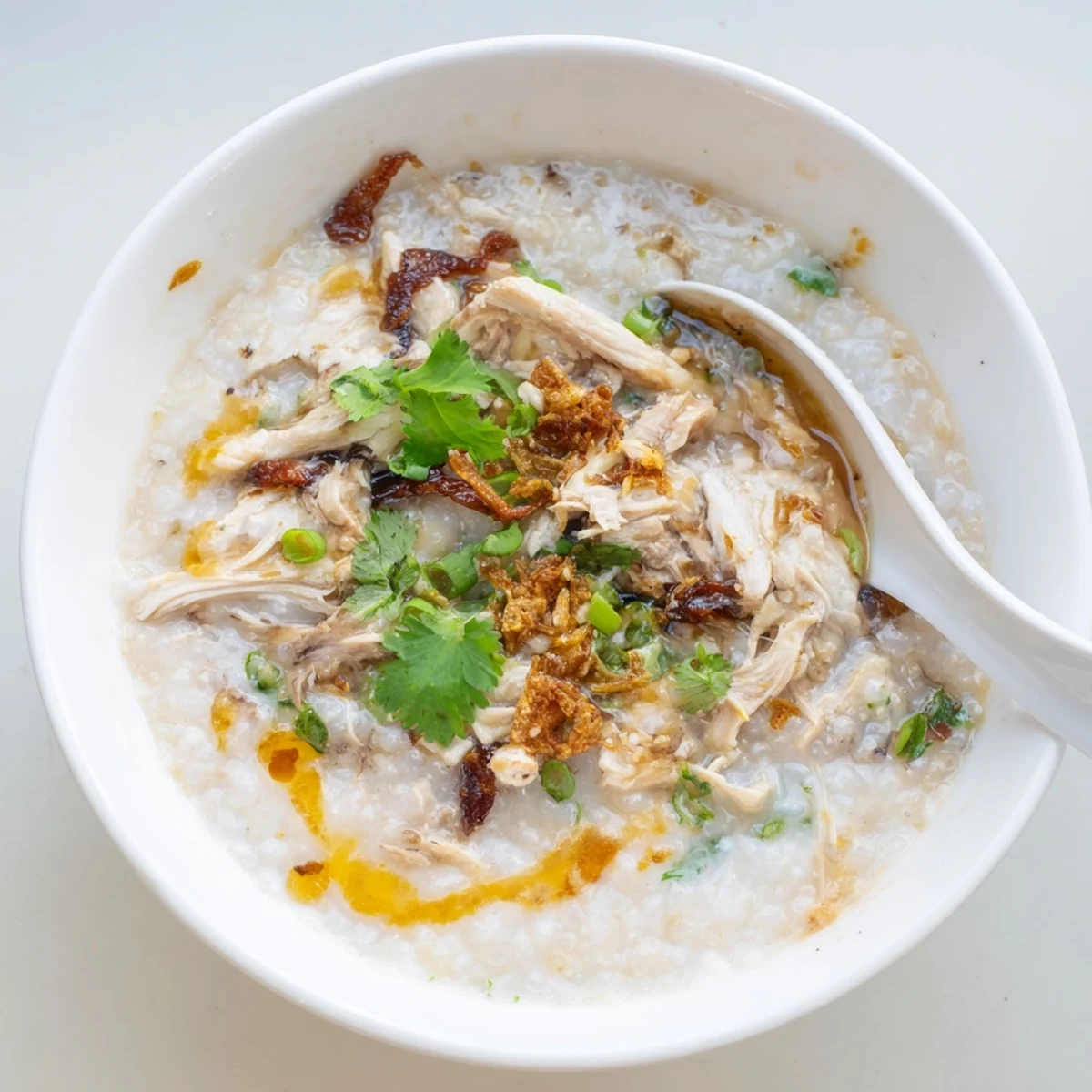
Save There's something almost meditative about making congee, standing over the pot and watching the grains gradually surrender their structure. My toddler now asks for it by name, which feels like passing down a small piece of my childhood to the next generation.
Getting the Right Texture
Everyone has their preferred congee consistency, and the beauty is that it's entirely customizable. I prefer mine on the thicker side, almost like a loose oatmeal, but my mother swears by a thinner version more like soup. The key is remembering that it continues to thicken as it sits, so err on the side of slightly thinner if you're meal prepping.
Garnish Like a Pro
The toppings are what elevate congee from humble porridge to something extraordinary. A drizzle of sesame oil adds nuttiness, while soy sauce provides that essential umami depth. I've discovered that a handful of crispy fried shallots on top creates this incredible contrast in texture that makes every spoonful interesting.
Make It Your Own
Once you've mastered the basic congee, you'll start seeing possibilities everywhere. Some mornings I crack an egg directly into the simmering pot for extra protein, while other times I add leftover roast chicken when I need to use it up.
- Try swapping chicken stock for vegetable stock and add mushrooms for a vegetarian version
- Century eggs add a funky, creamy depth that traditionalists swear by
- A splash of rice vinegar right before serving cuts through the richness beautifully
 Save
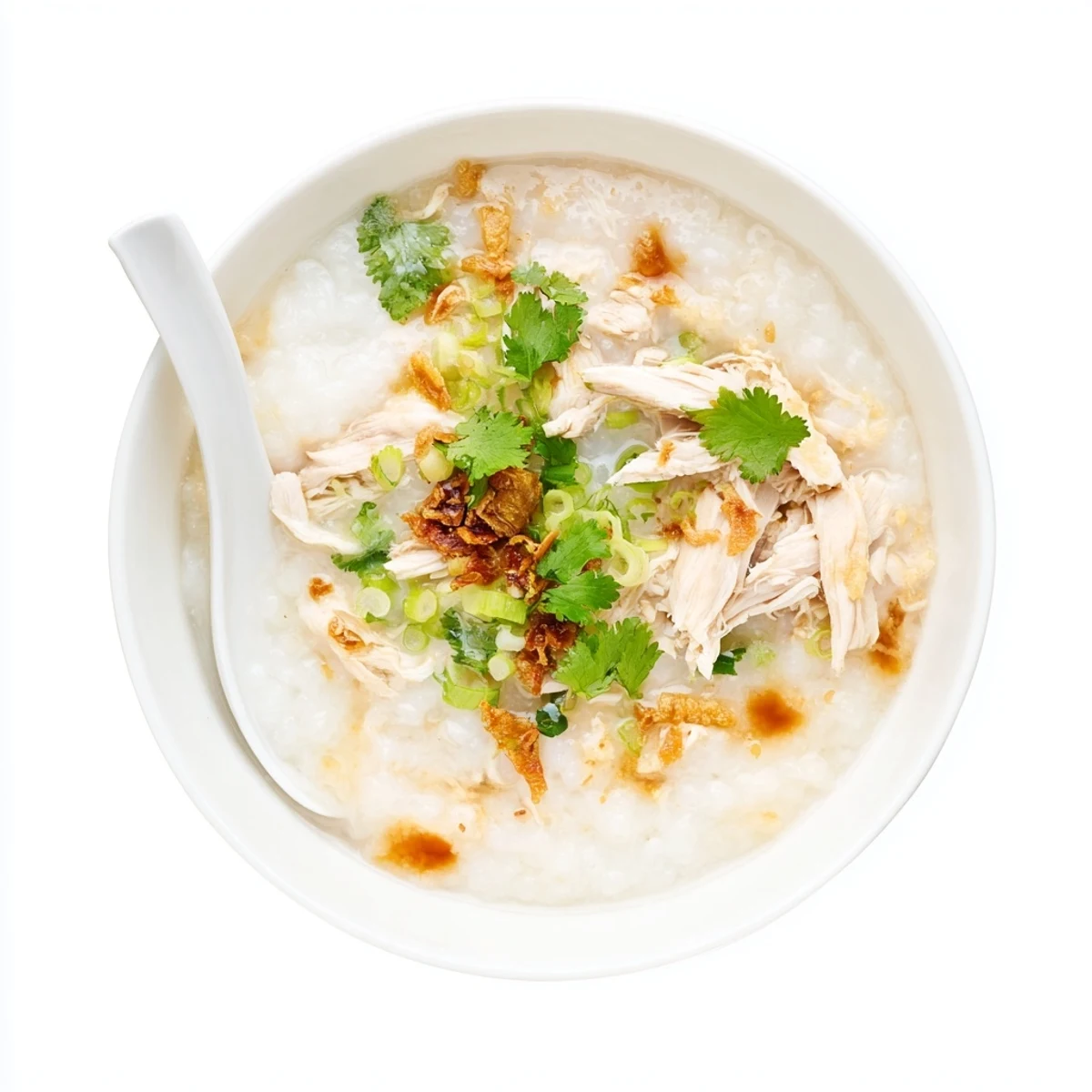
Save Congee has become my answer to everything—sick days, lazy Sundays, midnight cravings, and those nights when only something warm and soothing will do.
Recipe FAQs
- → What makes the porridge creamy without dairy?
-
The long-grain rice breaks down during prolonged simmering, releasing starch that naturally thickens the liquid into a velvety, creamy consistency without any dairy products.
- → Can I use other types of rice?
-
While long-grain white rice creates the ideal texture, jasmine rice works beautifully too. Short-grain rice yields an even thicker, stickier porridge if you prefer that consistency.
- → How do I store and reheat leftovers?
-
Store in an airtight container for up to 4 days. The porridge thickens considerably when chilled—simply add water or stock while reheating to reach your desired consistency.
- → What proteins work well in this dish?
-
Boneless chicken thighs stay moist during long cooking, though breasts work perfectly fine. For variation, try shredded pork, seafood, or make it entirely vegetarian with mushrooms.
- → Why shred the chicken separately?
-
Removing the chicken once cooked prevents it from becoming stringy or dry from overcooking. Shredding and returning it ensures tender, evenly distributed protein throughout every bite.
- → What are traditional toppings?
-
Fried shallots add crunch, century eggs provide rich contrast, fresh cilantro brightens flavors, and crispy fried dough (youtiao) offers authentic texture for those seeking the full experience.