
 Save
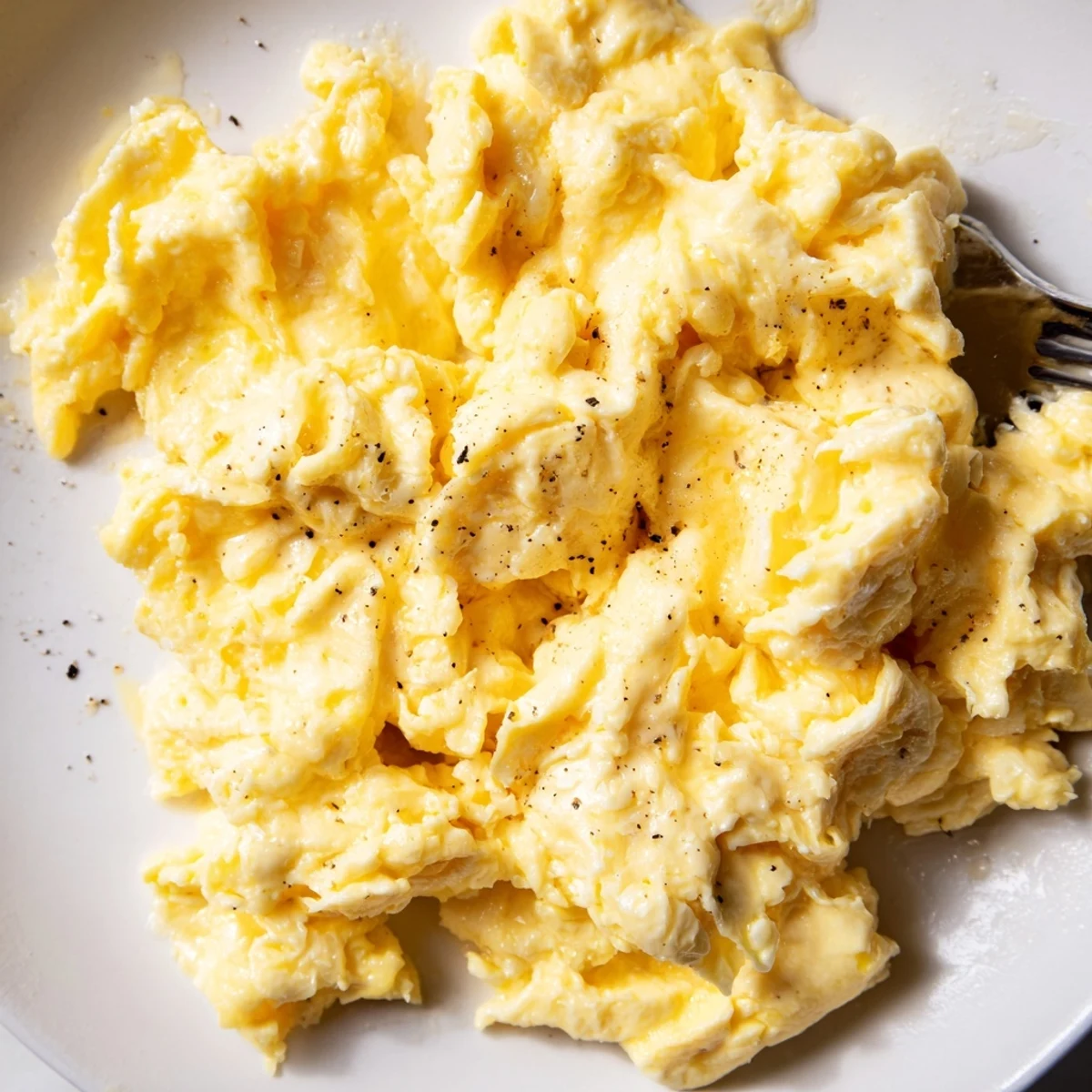
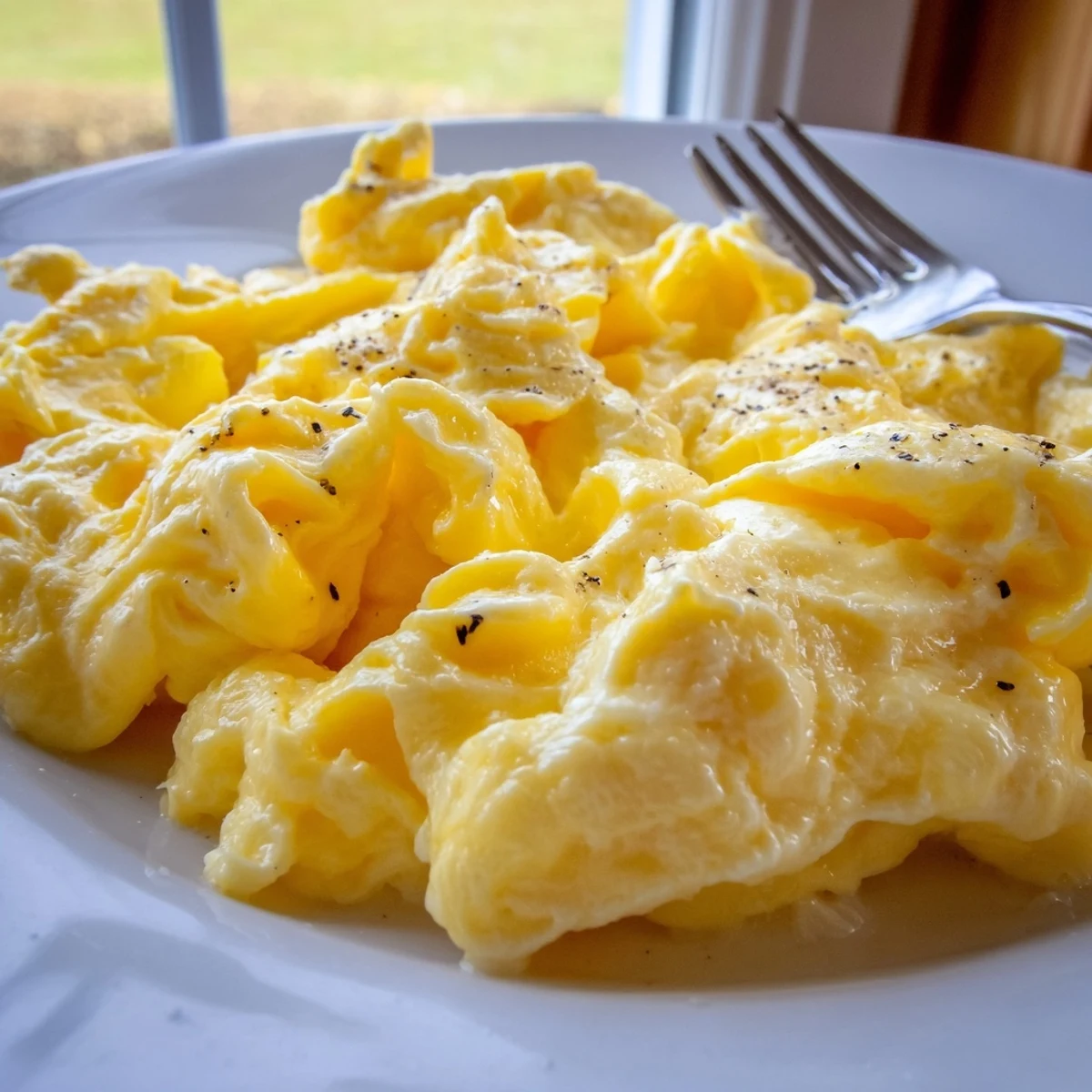
Save These scrambled eggs deliver the perfect balance of creaminess and fluffiness. The secret lies in gentle cooking over medium-low heat and continuous but delicate stirring. Whisking eggs with a touch of cream creates that luxurious texture everyone loves. The entire process takes just 10 minutes from start to finish, making it ideal for busy mornings or quick meals.
My roommate in college used to make scrambled eggs every Sunday morning, and I'd wake up to the smell of butter hitting the pan. She taught me that the secret wasn't some fancy technique—it was patience and knowing exactly when to pull them from the heat. Those lazy breakfasts became the highlight of our week, something we looked forward to even after Saturday nights out.
Last winter, my partner was sick with a terrible cold, and the only thing they could stomach was soft scrambled eggs. I made them three times that day, tweaking the heat and timing each time until I found the perfect creamy consistency. Now it's become our go-to comfort food whenever either of us needs something gentle and warming.
Ingredients
- 4 large eggs: Fresh eggs create the fluffiest curds, so check the date if you've had them in the fridge for a while
- 2 tbsp whole milk or cream: Cream makes them irresistibly rich, but whole milk keeps them lighter while still adding that lovely velvety texture
- 1 tbsp unsalted butter: Unsalted butter lets you control the seasoning, and the milk solids in butter actually help prevent sticking
- 1/4 tsp salt: Salt the eggs before cooking rather than after—it helps break down the proteins and makes them more tender
- 1/8 tsp freshly ground black pepper: Freshly cracked pepper adds a little bite that cuts through the richness of the dairy
Instructions
- Prep your eggs:
- Crack the eggs into a bowl and whisk them with the milk, salt, and pepper until they're uniformly yellow and slightly frothy on top
- Heat the pan:
- Melt the butter in a nonstick skillet over medium-low heat until it's foaming gently—you want it hot but not browning
- Add the eggs:
- Pour in the egg mixture and let it sit for just a few seconds until you see the edges beginning to set
- Create the curds:
- Use a spatula to gently push the eggs from the edges toward the center, tilting the pan slightly to let uncooked egg flow into the empty spaces
- Finish cooking:
- Continue this gentle folding motion until the eggs are just set but still look slightly wet and shiny, then immediately remove from heat
 Save
Save My mom always says she can tell everything about a cook by their scrambled eggs. It's become a bit of a running joke in our family, but honestly, she's right. There's something intimate about standing at the stove, paying attention to something so simple, and getting it just right.
Choosing Your Dairy
I've experimented with every milk alternative out there, and here's what I've learned: oat milk works surprisingly well if you're dairy-free, while almond milk can make the eggs a bit thin. The fat content in dairy is what gives scrambled eggs that luxurious mouthfeel, so don't be afraid of the cream.
The Pan Matters
A good nonstick skillet is worth its weight in gold for scrambled eggs. I once tried making them in a stainless steel pan at a friend's house, and even with extra butter, half the eggs stuck to the bottom. Save yourself the frustration and reach for the nonstick.
Serving Ideas
Sometimes the simplest dishes deserve the best accompaniments. I love serving these on thick sourdough toast with a sprinkle of everything bagel seasoning. They're also incredible folded into a warm tortilla with some fresh chives and a dollop of sour cream.
- Fresh chives or dill add a bright pop of flavor that cuts through the richness
- A grating of good cheddar or parmesan melted in at the end takes these to another level
- Keep some warm toast nearby—these eggs are best enjoyed the moment they hit the plate
 Save
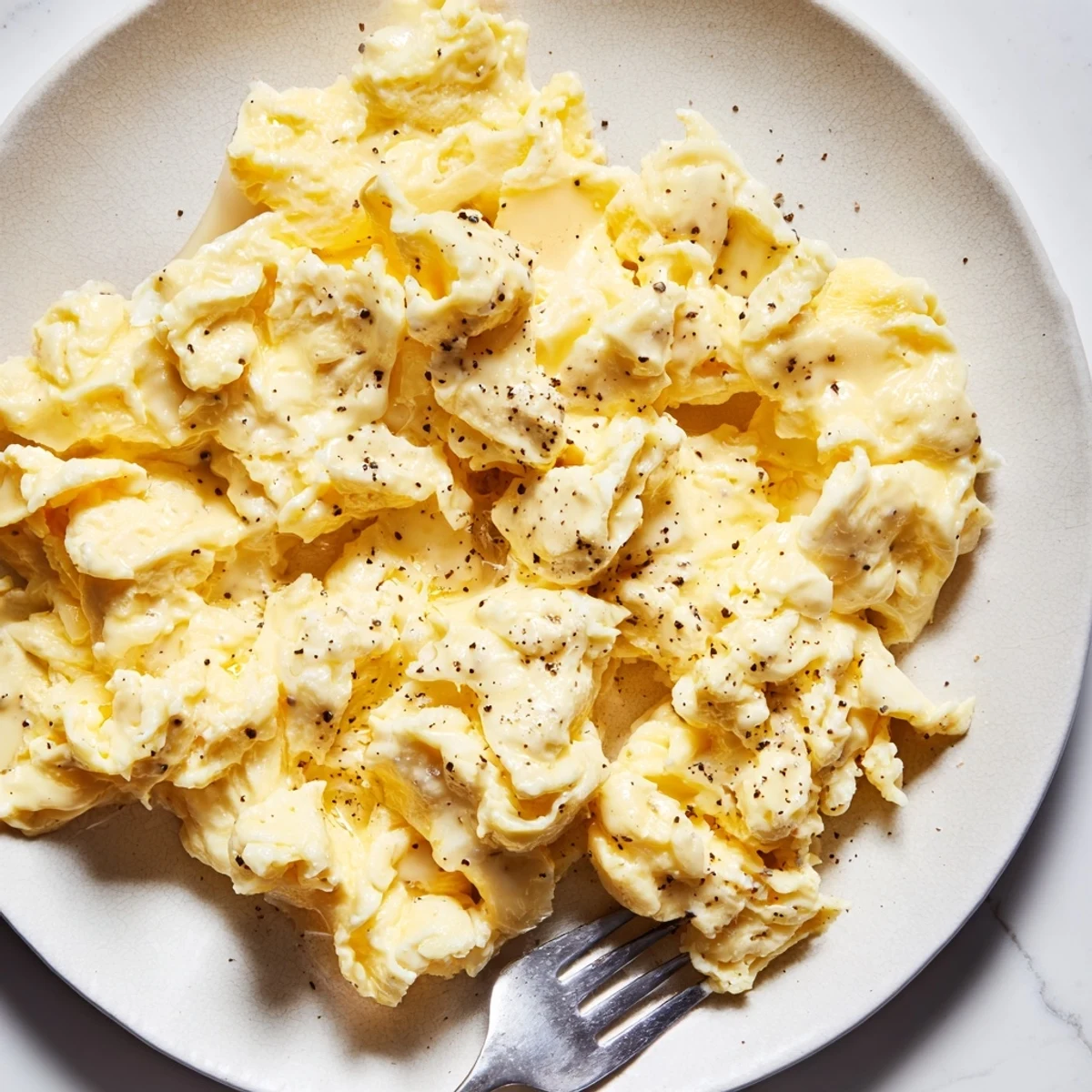
Save Perfect scrambled eggs are one of those simple pleasures that make any morning feel special. Once you get the timing down, you'll find yourself making them far more often than you'd expect.
Recipe FAQs
- → Why add milk or cream to scrambled eggs?
-
Dairy adds richness and creates a creamier texture. Cream yields the most luxurious results, while milk provides a lighter touch. The fat content prevents the eggs from becoming rubbery during cooking.
- → What's the ideal temperature for cooking?
-
Medium-low heat is essential. High heat causes eggs to overcook and become dry. Gentle heat allows the eggs to set slowly while retaining moisture for that perfect soft curd texture.
- → How do I know when scrambled eggs are done?
-
Remove from heat when eggs still appear slightly moist and underdone. Residual heat completes the cooking process. Perfect scrambled eggs should be soft and creamy, never dry or rubbery.
- → Can I prepare these ahead of time?
-
Scrambled eggs are best served immediately after cooking. They lose their desirable texture when reheated. For meal prep, consider other egg dishes like frittatas or baked egg cups that reheat better.
- → What additions work well in scrambled eggs?
-
Fresh herbs like chives, parsley, or dill add brightness. Grated cheese melts beautifully for extra richness. Sautéed vegetables such as spinach, mushrooms, or bell peppers provide texture and nutrition.
- → Why use a nonstick skillet?
-
Nonstick surfaces allow eggs to cook without sticking, requiring less butter and preventing frustrating cleanup. The smooth surface also makes it easier to push eggs around gently without breaking curds.