
 Save
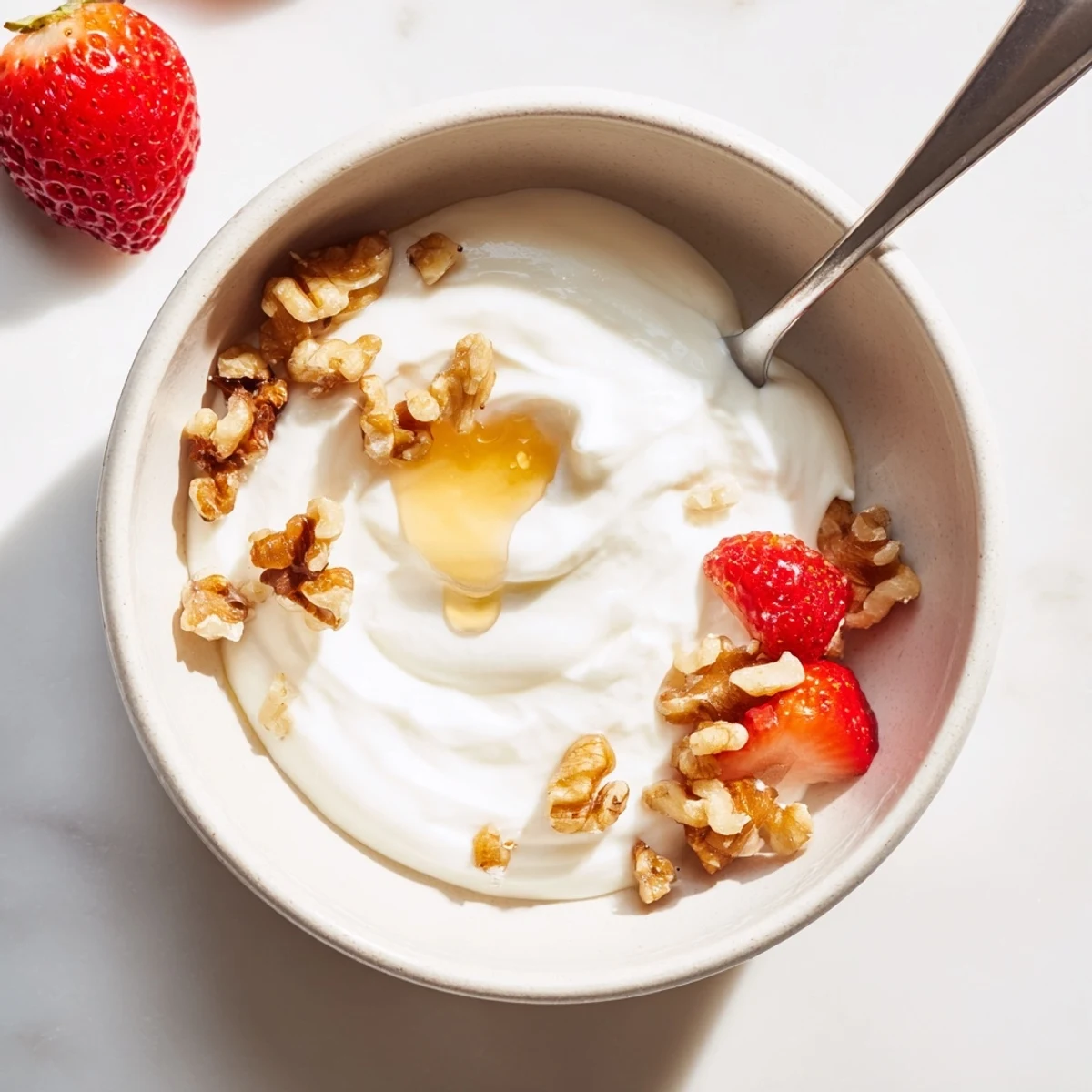
Save Transform simple milk into thick, velvety Greek yogurt through the ancient art of culturing. This straightforward method yields four cups of luscious, protein-rich yogurt with that signature tangy flavor and luxurious texture. After culturing, straining creates the dense consistency Greek yogurt is known for, concentrating the protein and creating the perfect canvas for honey, fresh fruit, or savory toppings.
Last summer, my neighbor Maria taught me how to make yogurt on her tiny apartment balcony while her kids ran through sprinklers below. She insisted that homemade Greek yogurt tastes completely different from store bought, and she was absolutely right. Now I keep a Mason jar of fresh yogurt culturing on my kitchen counter almost every week, turning an ordinary afternoon into something that feels like a small kitchen miracle.
I brought my first batch to a Sunday brunch and watched everyone scrape their bowls clean, asking what made it taste so different. My brother actually started texting me from the grocery store, asking which yogurt brands had live cultures so he could try making it himself. Something about serving food you created from scratch makes people lean in closer around the table.
Ingredients
- 1 liter whole milk: Whole milk creates that luxurious rich texture that makes Greek yogurt feel indulgent
- 2 tablespoons plain yogurt with live cultures: This starter is absolutely essential and must contain active cultures to work
Instructions
- Heat the milk to just the right temperature:
- Pour the milk into a saucepan over medium heat, stirring occasionally until it reaches 82°C (180°F). Watch carefully because milk can suddenly bubble up and scorch.
- Let the milk cool down:
- Remove from heat and let it cool to 43°C (110°F), which feels pleasantly warm on your wrist like a perfect bath temperature.
- Prepare your starter:
- Whisk the yogurt starter with a small amount of cooled milk until completely smooth and well combined.
- Combine everything:
- Pour the starter mixture back into the main pot of milk and stir gently but thoroughly.
- Create a warm environment:
- Pour into a clean container, cover, and wrap in a towel or place in a yogurt maker to maintain warmth.
- Let time work its magic:
- Leave undisturbed for 6 to 8 hours in a warm spot until the milk has transformed into set yogurt.
- Strain for thickness:
- Line a strainer with cheesecloth, pour in the yogurt, and refrigerate for 1 to 2 hours until thickened.
- Store and enjoy:
- Transfer your thick Greek yogurt to a clean container and refrigerate until ready to serve.
 Save
Save My aunt tried this recipe and now she makes yogurt every Sunday while listening to her morning radio show. She says the ritual has become the most peaceful part of her week, and she loves experimenting with different milks from local farms.
Milk Choices Matter
Goat and sheep milk create wonderful variations with distinct flavors. I have found that sheep milk makes an exceptionally rich and buttery yogurt that feels almost like dessert.
Saving The Whey
That liquid draining into the bowl beneath your strainer is actually nutritious whey, perfect for adding to smoothies or using in bread recipes. I freeze mine in ice cube trays so nothing goes to waste.
Serving Ideas That Shine
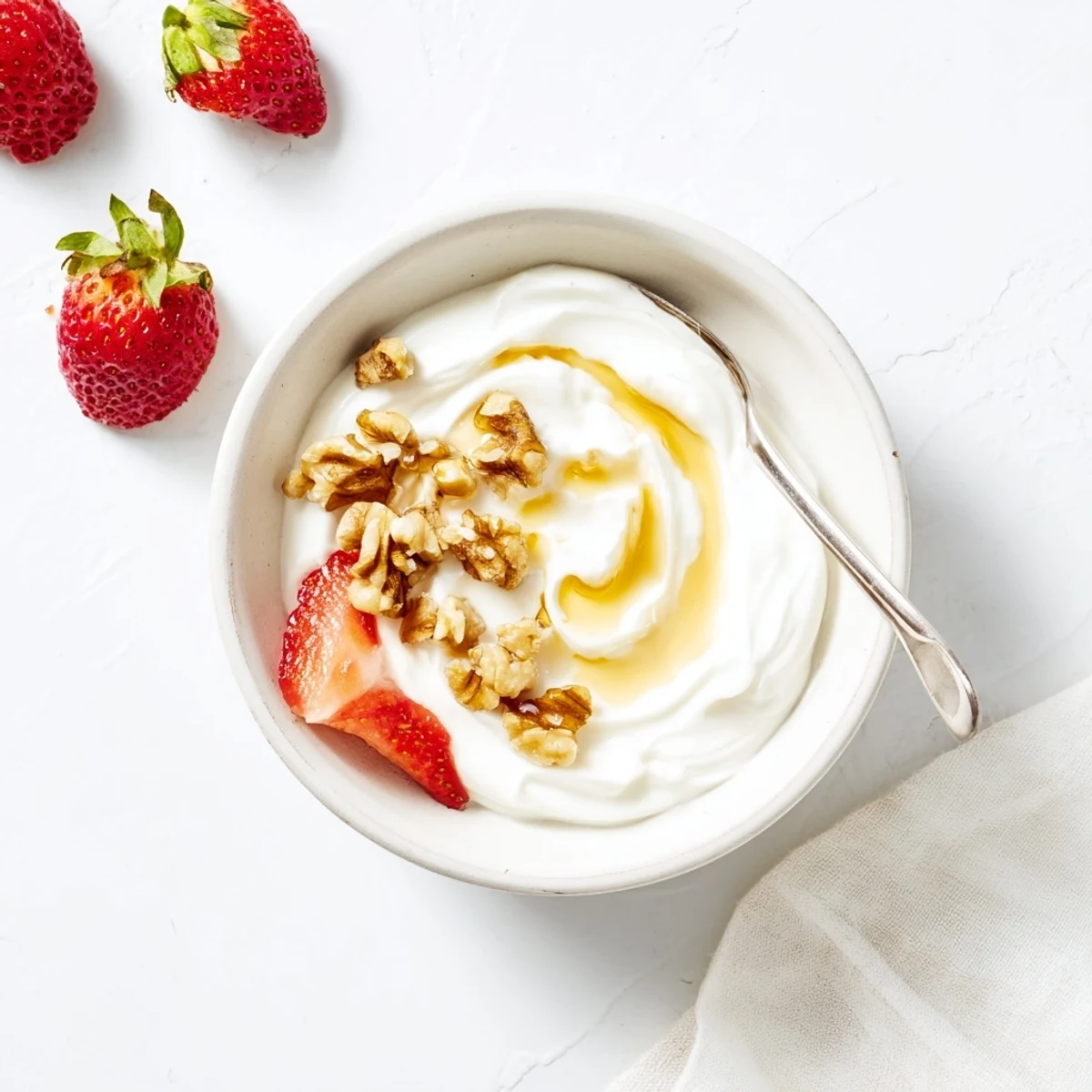
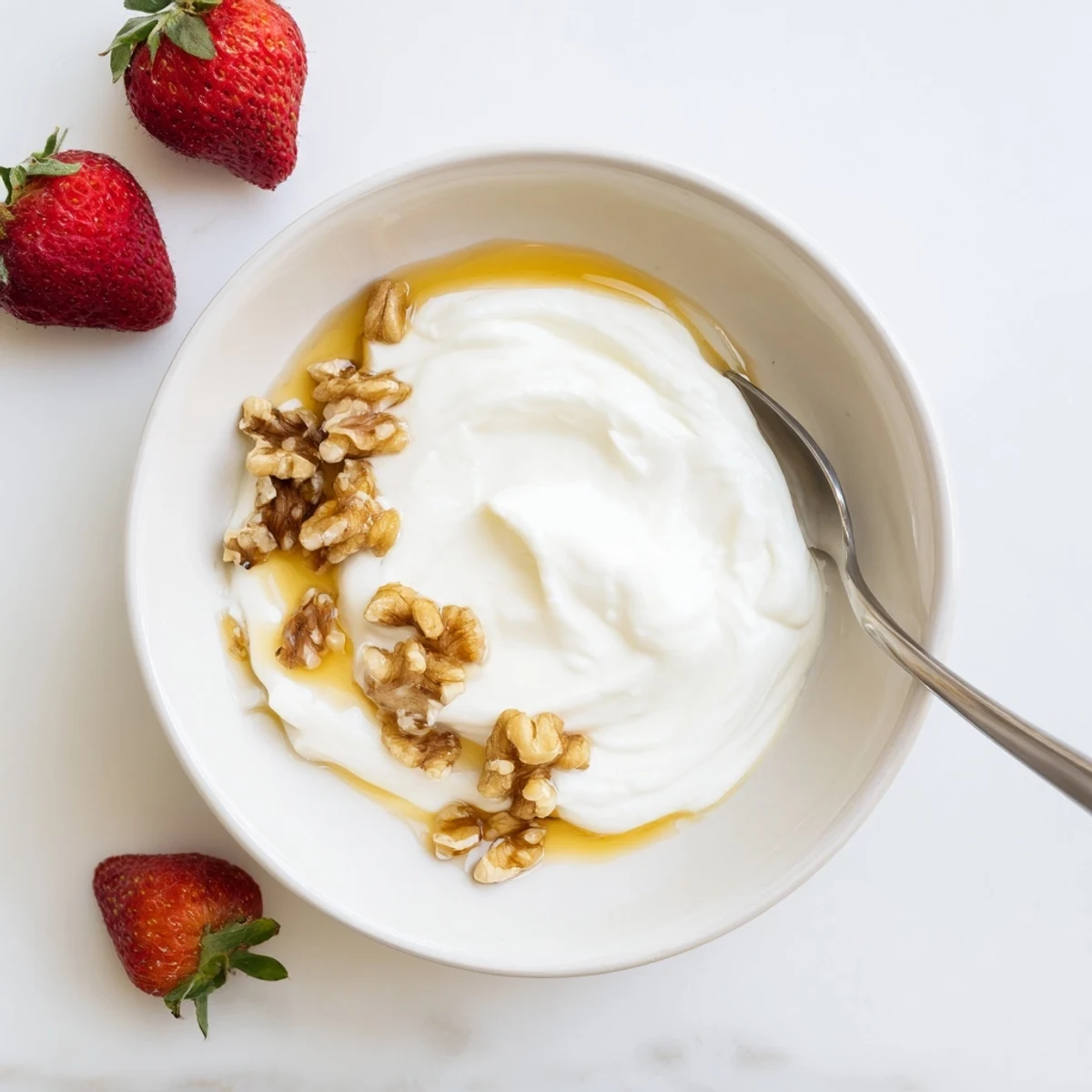
A simple drizzle of honey and handful of toasted walnuts transforms plain yogurt into something extraordinary. My grandmother always added a pinch of sea salt which surprisingly enhances the natural sweetness.
- Try layering with granola and fresh berries for an instant parfait
- Use as a sour cream substitute on tacos and baked potatoes
- Stir in herbs and garlic for a quick savory dip
 Save
Save There is something deeply satisfying about turning simple milk into yogurt, like learning an ancient kitchen secret. Once you taste your first batch warm from the strainer, store bought yogurt will never quite measure up again.
Recipe FAQs
- → What makes Greek yogurt different from regular yogurt?
-
Greek yogurt undergoes straining to remove whey, resulting in a thicker, creamier texture with higher protein content compared to regular yogurt.
- → How long does homemade Greek yogurt last?
-
Properly stored in the refrigerator, homemade Greek yogurt stays fresh for up to two weeks. Keep it sealed in a clean container.
- → Can I use low-fat milk instead of whole milk?
-
Yes, though the final texture will be less creamy. Whole milk produces the richest, most satisfying results typical of authentic Greek yogurt.
- → What can I do with the leftover whey?
-
The strained whey contains protein and beneficial nutrients. Use it in smoothies, baking, or even as a starter for fermenting other foods.
- → Do I need a yogurt maker?
-
No, you can maintain the culturing temperature by wrapping the container in towels and placing it in a warm spot. A yogurt maker simply provides consistent temperature control.