
 Save
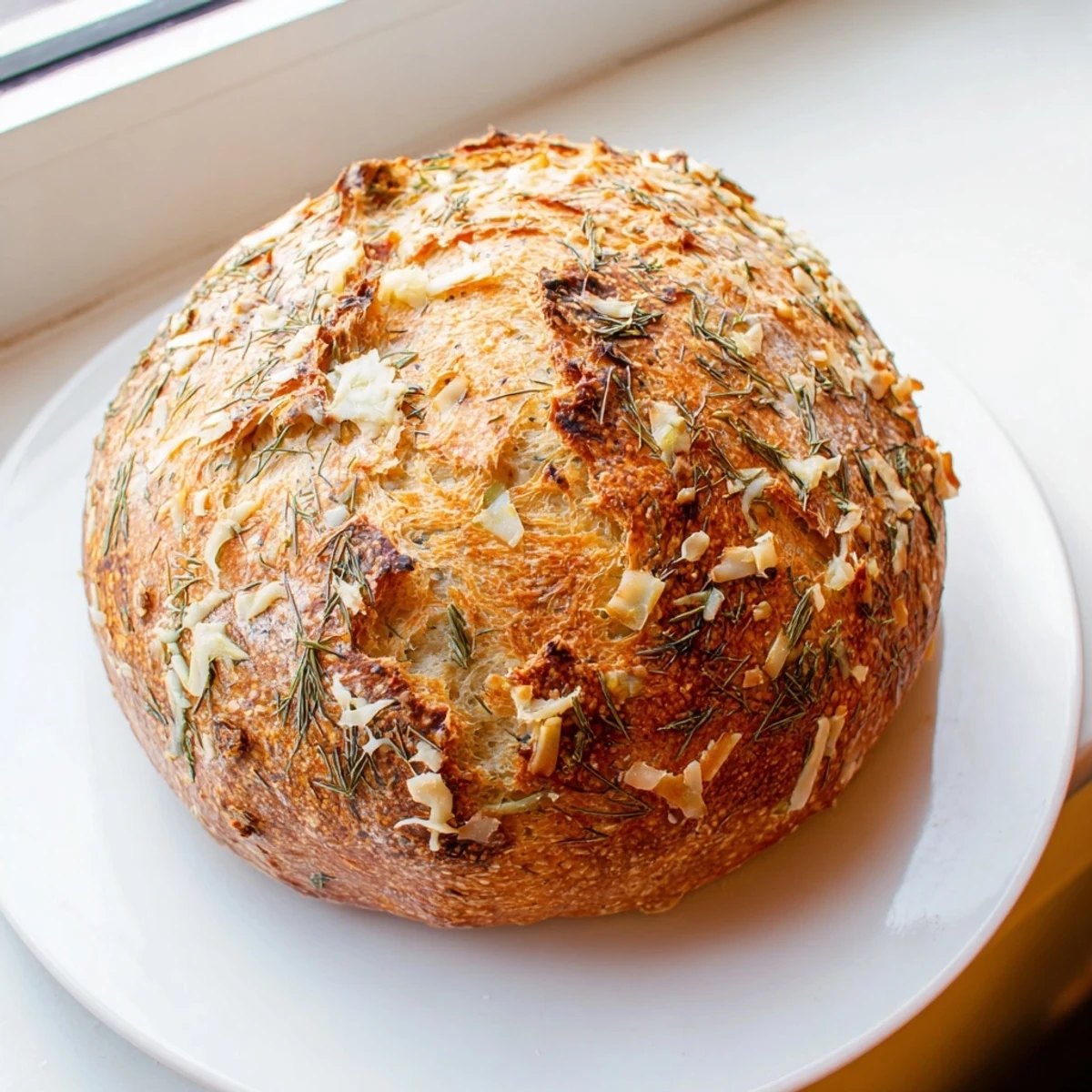
Save This loaf combines the aromatic freshness of dill with the creamy richness of Gouda cheese. Prepared without kneading, it requires a long resting period to develop flavor and texture. The dough is mixed until shaggy, left to rise slowly, then baked in a preheated Dutch oven for a golden crust. This artisan-style bread suits various meals and can be customized with different cheeses or a touch of yogurt for tanginess.
Ideal for easy, flavorful baking that fills your kitchen with inviting aromas and yields a moist, crusty loaf perfect for slicing.
The smell of dill hit me before I even saw the bread my neighbor had brought over. She'd baked it that morning, and the combination of that fresh herb with something rich and nutty stopped me in my tracks. Turns out it was Gouda, melted into pockets throughout the crumb, and I spent the entire walk home plotting how to recreate it. This no-knead version gives you that same bakery-worthy result with almost zero effort.
I made this for a rainy Sunday soup dinner and watched my usually bread-indifferent husband go back for slice after slice. The way the cheese had caramelized against the Dutch oven created these incredible crispy edges that nobody could resist. Now it's become my secret weapon whenever I need to feed a crowd with something that looks impressive but barely requires any hands-on time.
Ingredients
- Bread flour: The higher protein content gives this loaf structure and that satisfying chewy texture artisan breads are known for
- Salt: Dont skimp here since it balances the rich cheese and bright dill perfectly
- Instant yeast: No proofing needed and it works reliably with the long overnight rest
- Gouda cheese: Diced into small cubes rather than grated so you get distinct pockets of melted cheese throughout the crumb
- Fresh dill: Finely chopped so it distributes evenly and its flavor really permeates the dough
- Lukewarm water: Should feel like bath temperature to activate the yeast without killing it
Instructions
- Mix the dry base:
- Whisk the flour salt and yeast in a large bowl until completely combined and aerated
- Add the flavor makers:
- Stir in the Gouda and dill until the cheese is coated in flour and the herb is evenly distributed
- Bring it together:
- Pour in the water and mix with a wooden spoon until you have a shaggy sticky dough with no dry patches
- Let it work:
- Cover tightly and let rest at room temperature for 8 to 12 hours until doubled and bubbly on top
- Shape gently:
- Turn onto floured surface and fold edges toward the center a few times then shape into a round without kneading
- Second rise:
- Place seam side down on parchment cover loosely and rest for 45 to 60 minutes until puffy
- Get it hot:
- Preheat your Dutch oven at 450°F for at least 30 minutes while the dough rises
- Bake covered:
- Lift the dough by parchment into the hot pot cover and bake for 30 minutes
- Crisp it up:
- Remove the lid and bake another 15 minutes until deep golden brown and the bottom sounds hollow when tapped
- Cool completely:
- Let the bread rest on a wire rack for at least an hour before slicing or the steam will make it gummy
 Save
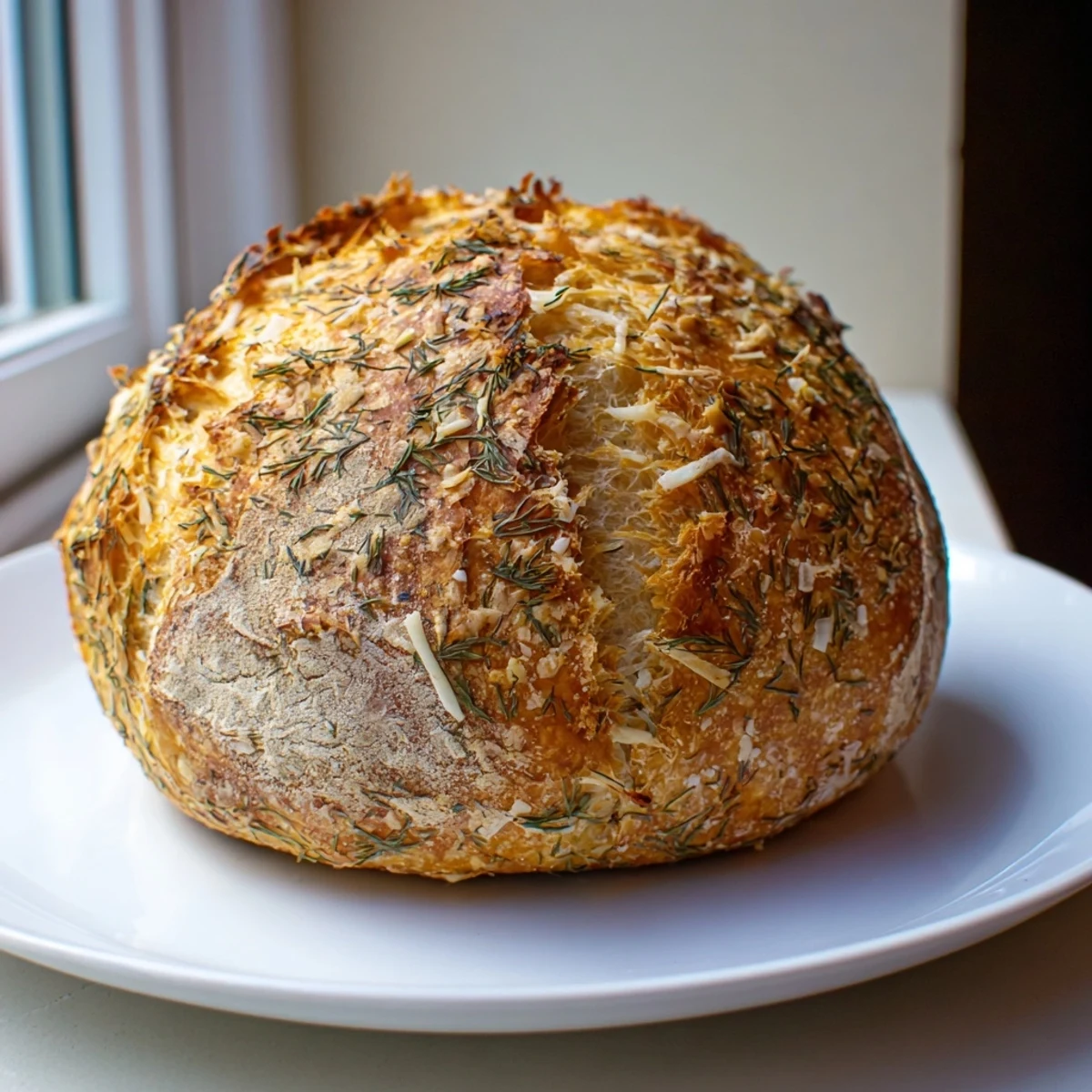
Save My friend Sarah who claims she cant bake anything successfully made this on her first try and sent me a photo at midnight looking ridiculously proud. Thats the beauty of no-knead bread the technique is almost foolproof but the results make you look like you spent years mastering artisan baking. Theres something magical about pulling apart a still-warm loaf and finding those little surprise pockets of melted cheese.
Choosing Your Cheese
Gouda is fantastic because it melts beautifully and adds a subtle nutty sweetness but Ive also loved this with sharp aged cheddar for more bite or Emmental for that classic Swiss cheese flavor. Just avoid super soft cheeses that might disappear into the dough or anything that's too oily. The key is cutting it into small even cubes so you get consistent cheese distribution throughout every slice.
Timing Your Bake
I usually mix the dough before bed so it can do its overnight rest while I sleep which means fresh bread for breakfast or lunch the next day. The long fermentation is what develops all that flavor so dont try to rush it. If you need to bake later in the day you can refrigerate the dough after its first rise which actually develops even more complex flavor and gives you a scheduling buffer.
Storage And Leftovers
This bread is best eaten within the first day but storing it cut side down on a cutting board helps maintain the crust better than a plastic bag which makes it soggy. Any leftover slices make incredible grilled cheese or croutons for soup. You can also slice and freeze the loaf then toast individual slices straight from the freezer which honestly tastes almost as good as fresh baked.
- Dry herbs work in a pinch but use about one third the amount since fresh dill is more delicate
- A slash across the top of the loaf before baking helps it expand beautifully
- The parchment paper is nonnegotiable unless you want to wrestle sticky dough into a screaming hot pot
 Save
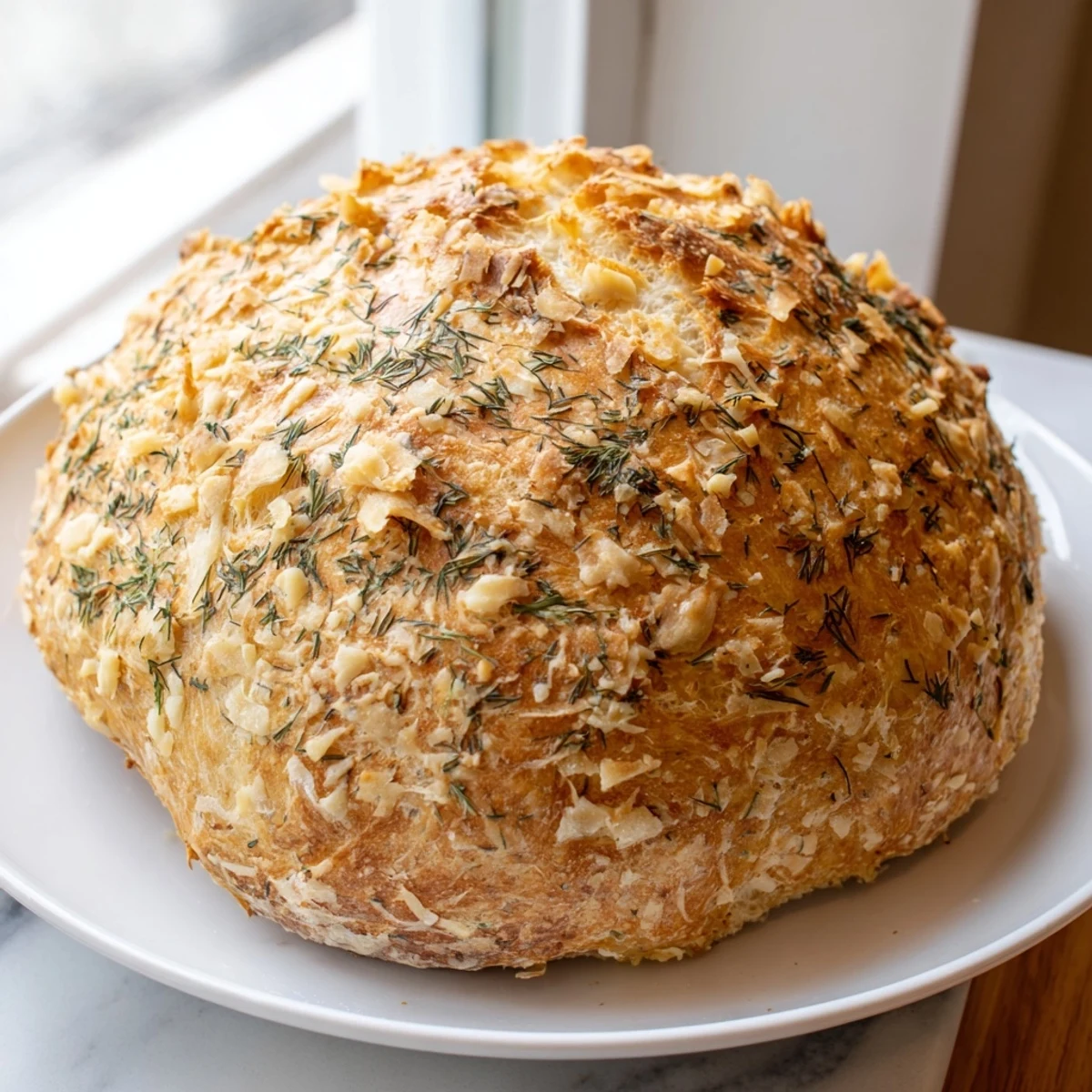
Save Theres something deeply satisfying about pulling a golden crackling loaf from the oven knowing you barely lifted a finger to make it happen. Happy baking friend.
Recipe FAQs
- → How does the no-knead method affect bread texture?
-
The long resting time allows gluten to develop naturally, producing a moist crumb and a crusty exterior without manual kneading.
- → Can I substitute Gouda with other cheeses?
-
Yes, mild cheeses like Emmental or Cheddar work well, providing different yet complementary flavors.
- → What is the purpose of resting the dough overnight?
-
Resting allows fermentation and gluten development, which enhances flavor and structure.
- → Why is a Dutch oven used for baking?
-
The Dutch oven traps steam, ensuring a crisp, golden crust and even baking.
- → Can dried dill replace fresh dill in this loaf?
-
Yes, dried dill can be used; reduce quantity slightly to avoid overpowering the flavor.