
 Save
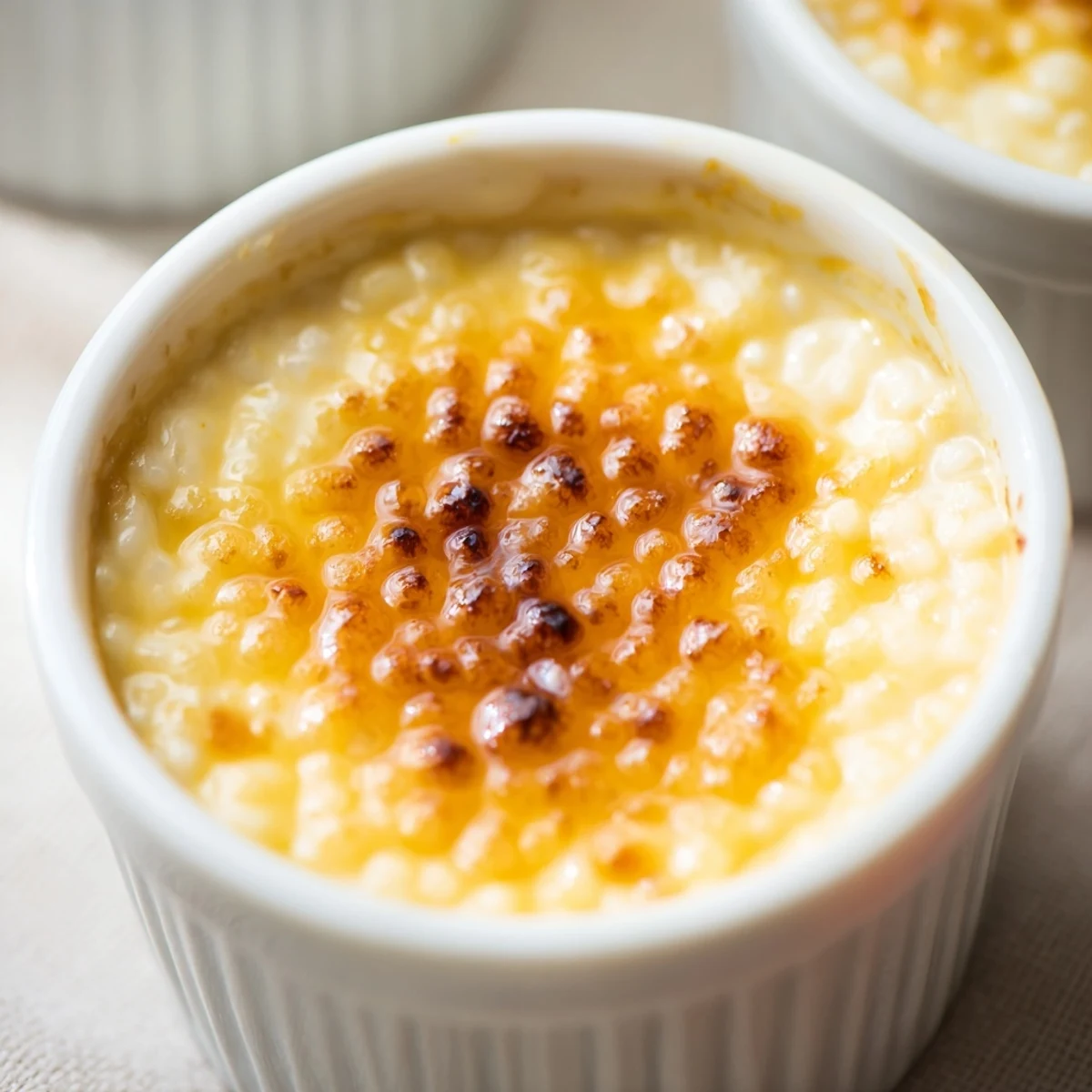
Save This traditional Portuguese dessert transforms simple rice into an irresistibly creamy custard through slow simmering in whole milk and cream. The addition of lemon peel and cinnamon stick during cooking infuses delicate aromatic flavors throughout the tender grains. A finishing layer of caramelized cinnamon-sugar creates a contrasting crispy top that perfectly complements the silky smooth custard beneath.
The technique involves tempering egg yolks into the warm rice mixture, creating that signature luscious texture Portuguese cuisine is celebrated for. Serve it warm for maximum comfort or chilled for a refreshing finish to any meal.
Winter evenings in my grandmother's kitchen always carried the scent of warming cinnamon and simmerng milk. She'd stand at the stove, wooden spoon in hand, tending to a pot of rice pudding with the patience of someone who knew that good things cannot be rushed. The first time I tried recreating her Portuguese rice custard on my own, I learned that stirring isn't just a technique, it's a meditation.
Last summer, I made this for a dinner party where guests lingered at the table long after the plates were empty. Someone asked if there was a secret ingredient, and I realized the secret is really just time and attention. That's the thing about custard, it rewards the cook who stays present.
Ingredients
- Short grain rice: This variety releases starch as it cooks, creating that naturally creamy texture without needing constant stirring
- Whole milk and heavy cream: The combination provides the perfect balance of richness without becoming overwhelming
- Lemon peel: Large strips without the bitter white pith infuse subtle brightness that cuts through the sweetness
- Cinnamon stick: Whole cinnamon offers a more complex, warm flavor compared to the ground version
- Egg yolks: Room temperature yolks incorporate more smoothly into the hot custard base
- Butter: Unsalted butter lets you control exactly how much salt goes into the final dish
Instructions
- Build the base:
- Combine the rice, milk, cream, lemon peel, cinnamon stick, and salt in a medium saucepan over medium heat, bringing everything to a gentle simmer while stirring occasionally to prevent sticking.
- Cook the rice:
- Reduce the heat to low and let it bubble away for 25 to 30 minutes, stirring often until the rice is tender and the mixture has noticeably thickened, then fish out the lemon peel and cinnamon stick.
- Add sweetness:
- Stir in the sugar, butter, and vanilla extract, cooking for 2 to 3 minutes until the sugar completely dissolves and the mixture looks glossy.
- Temper the eggs:
- Whisk the egg yolks in a separate bowl, then gradually add a few spoonfuls of the hot rice mixture while whisking continuously to warm the yolks without scrambling them.
- Combine and thicken:
- Pour the tempered yolks back into the saucepan and cook gently over low heat, stirring constantly for 2 to 3 minutes until the custard thickens slightly, being careful never to let it boil.
- Portion and finish:
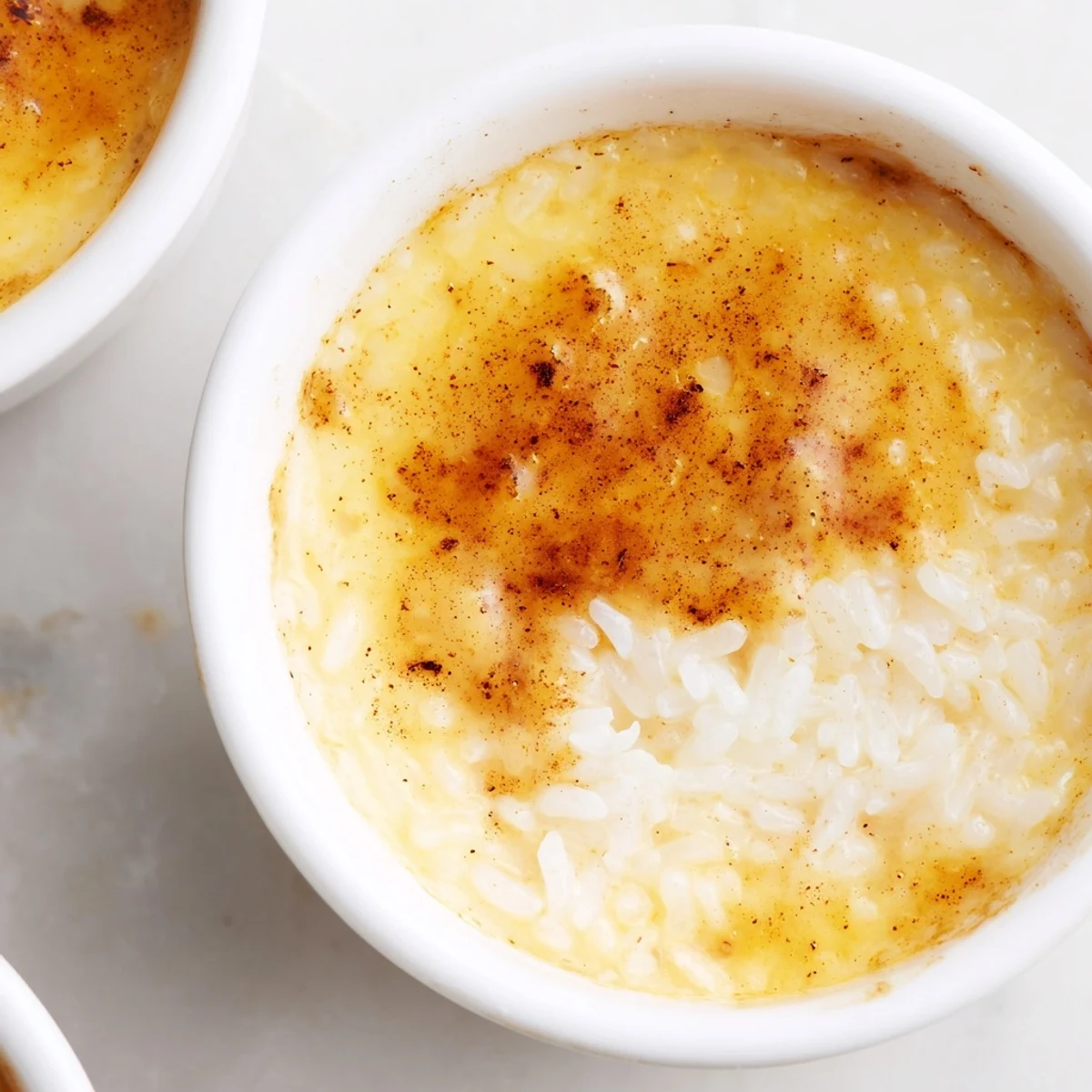
- Transfer the custard into individual ramekins or one large serving dish, then mix the remaining sugar with cinnamon and sprinkle it generously across the top.
- Cool and serve:
- Let the rice custard cool completely at room temperature, then decide whether to serve it slightly warm or thoroughly chilled, both are equally wonderful.
 Save
Save My friend Maria told me that in Portuguese households, the ability to make a perfect rice custard is almost like a rite of passage. There's something deeply satisfying about serving a dessert that has been loved for generations, connecting your table to kitchens across time and ocean.
The Art of Slow Cooking
Custard teaches you that you cannot force something good to happen faster than it wants to. The gentle, slow cooking allows the rice to absorb all that dairy goodness while releasing its own starches into the mix. I've found that putting on some music and settling in for the stirring portion makes the process feel like a gift rather than a chore.
Temperature Secrets
Working with eggs requires paying attention to temperature in a way most recipes don't demand. When you temper yolks, think of it as introducing them gradually to their new environment rather than shocking them with sudden heat. Your patience here determines whether the final texture is silky or grainy.
The Topping Makes It
That cinnamon sugar crust isn't just garnish, it's essential to the experience. The way the slight crunch gives way to the soft custard underneath creates the kind of textural contrast that keeps people going back for just one more spoonful.
- Sprinkle the topping just before serving for maximum crunch
- Try torching the cinnamon sugar briefly for a brleed effect
- A pinch of nutmeg in the topping adds lovely warmth
 Save
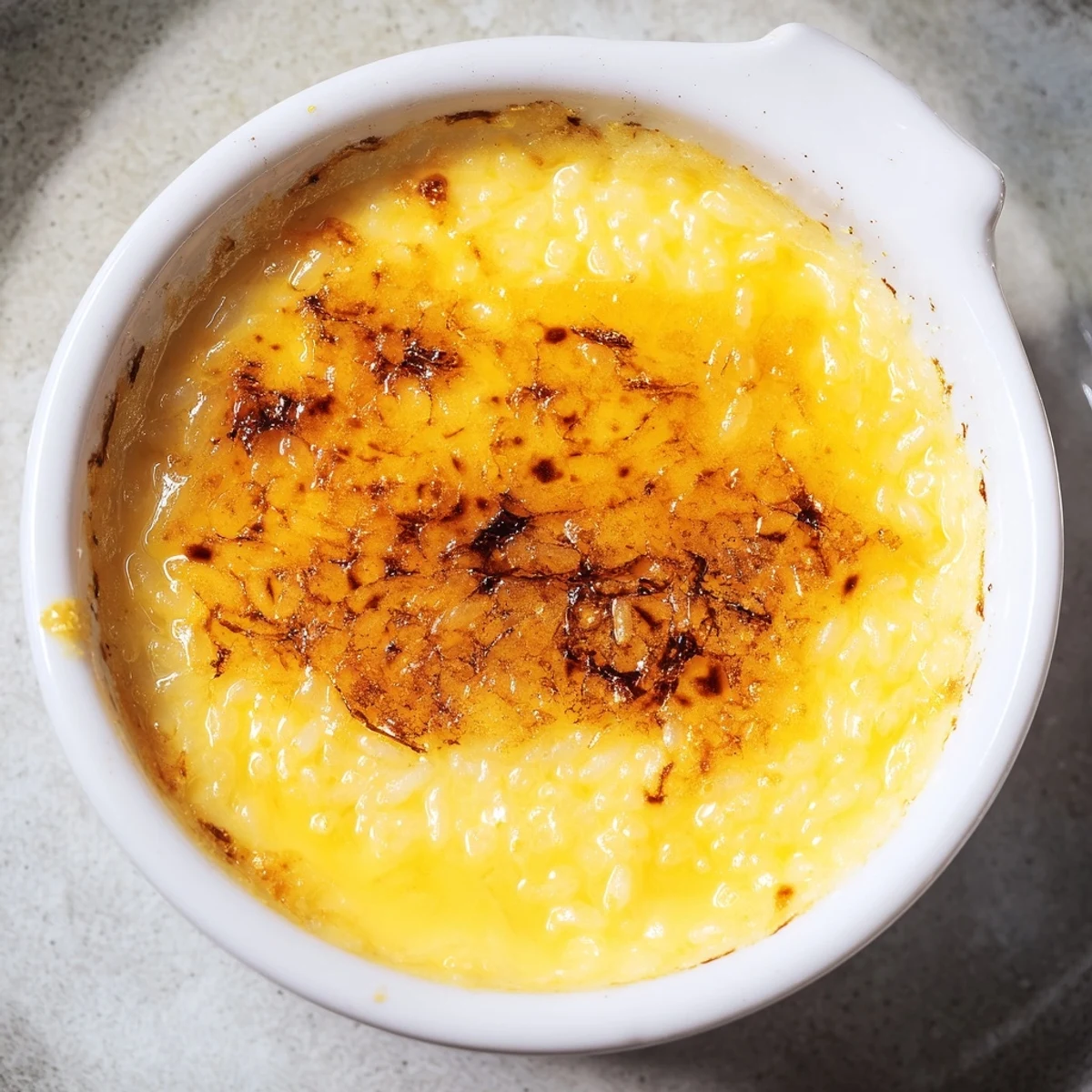
Save Whether it's a Tuesday night comfort or a dinner party finale, this Portuguese rice custard has a way of making any moment feel special.
Recipe FAQs
- → What type of rice works best for this custard?
-
Short-grain rice is ideal because its high starch content releases during cooking, creating that naturally creamy consistency. Arborio or pearl rice work beautifully, though any short-grain variety will achieve the desired silky texture.
- → Can I make this ahead of time?
-
Absolutely. This custard actually improves after refrigerating for several hours or overnight. The flavors develop more deeply, and the texture becomes even creamier. Store in the refrigerator and add the cinnamon-sugar topping just before serving.
- → Why temper the egg yolks?
-
Tempering prevents the eggs from scrambling when added to the hot mixture. Gradually warming the yolks with spoonfuls of hot custard creates a smooth emulsion that thickens beautifully without curdling, ensuring that perfectly silky consistency.
- → What's the best way to serve this?
-
Portuguese rice custard is versatile—serve slightly warm for cozy comfort or thoroughly chilled for a refreshing dessert. It pairs wonderfully with a glass of sweet port or dessert wine, and fresh berries on the side add lovely acidity and color contrast.
- → How do I know when the custard is properly cooked?
-
The custard is ready when it coats the back of a spoon and leaves a clear trail when you run your finger through it. It should thickened slightly but still pourable. Remember it will continue setting as it cools, so avoid overcooking.
- → Can I make this dairy-free?
-
While traditional versions rely heavily on dairy, you can substitute coconut milk or almond milk for the whole milk, though the texture will be slightly different. Use full-fat versions for best results, and consider adding extra rice to help with thickening.